
Ancient Romans loved a festival and the god associated with the month of November is actually a goddess – Isis.
The festival of Isis actually begins on 28 October and ends on 3 November. Isis represents November in Roman art and she is the protector of family. She is perhaps more associated with Egypt, but Ancient Romans liked to embrace any deities they admired and absorbed them into their own culture and beliefs.
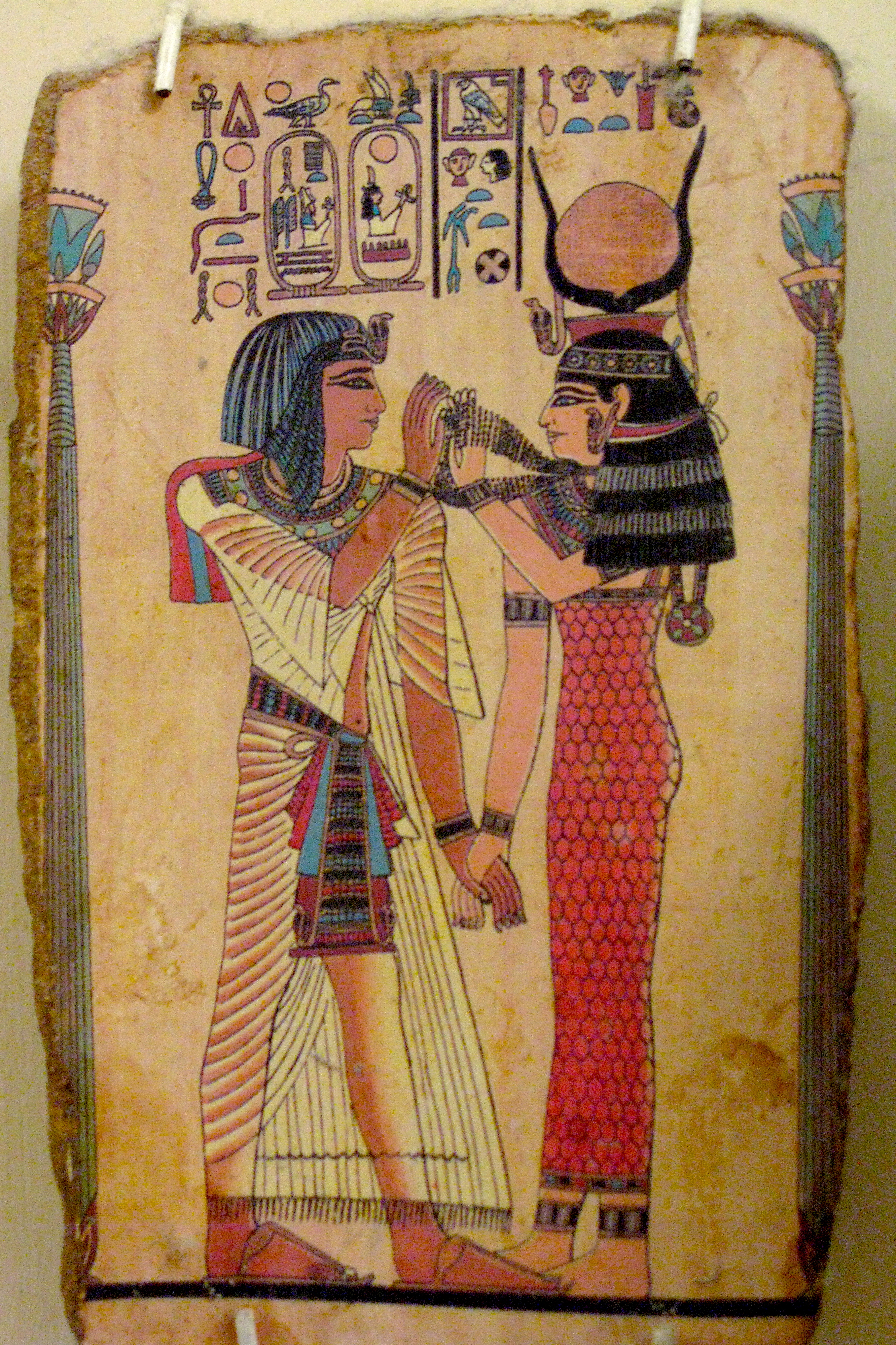
Isis’s brother was Osiris – who was her brother-husband and the first God-King of Egypt. His brother Seth, God of Chaos, hacked him to pieces and scattered these across Egypt so that he could become king instead. Isis collected the pieces and Osiris became God of the Underworld. They conceived a son, Horus, who ruled Egypt instead of Seth. The heavens were ruled by the God Ra.
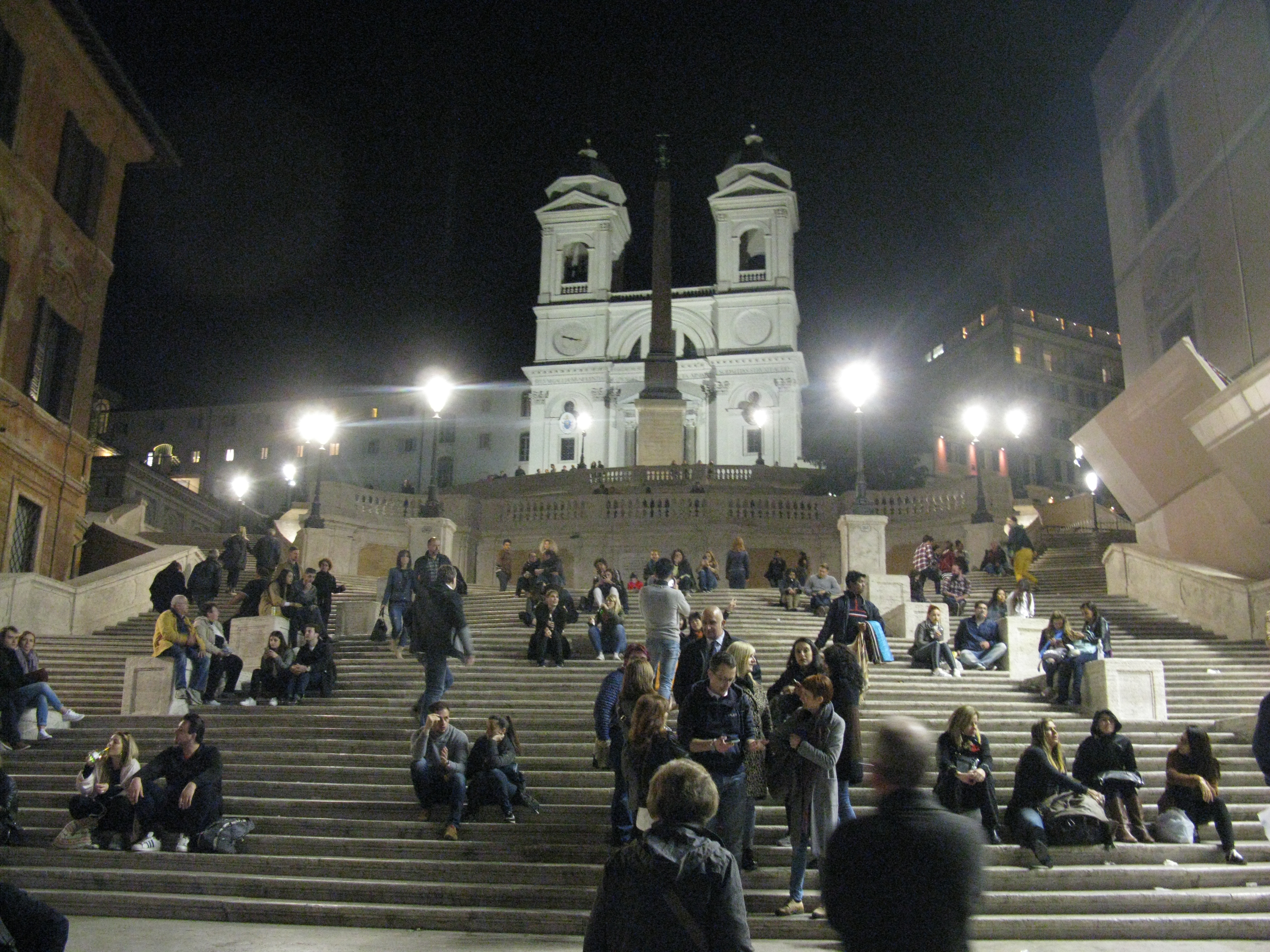
Ancient Rome frequently plundered Egypt and appropriated artefacts, including several pylons that are placed across Rome, some in a triangle formation across the city – one is in St Peter’s Square, another in Piazza Colonna just off Via del Corso; another is found in Piazza del Popolo – and another stands on Trinita Dei Monti at the top of the Spanish Steps. You will also find other Egyptian artefacts in the Vatican grounds and across Rome. The involvement of Julius Caesar and Mark Antony with the Egyptian queen Cleopatra also strengthened the link between Rome and Egypt.
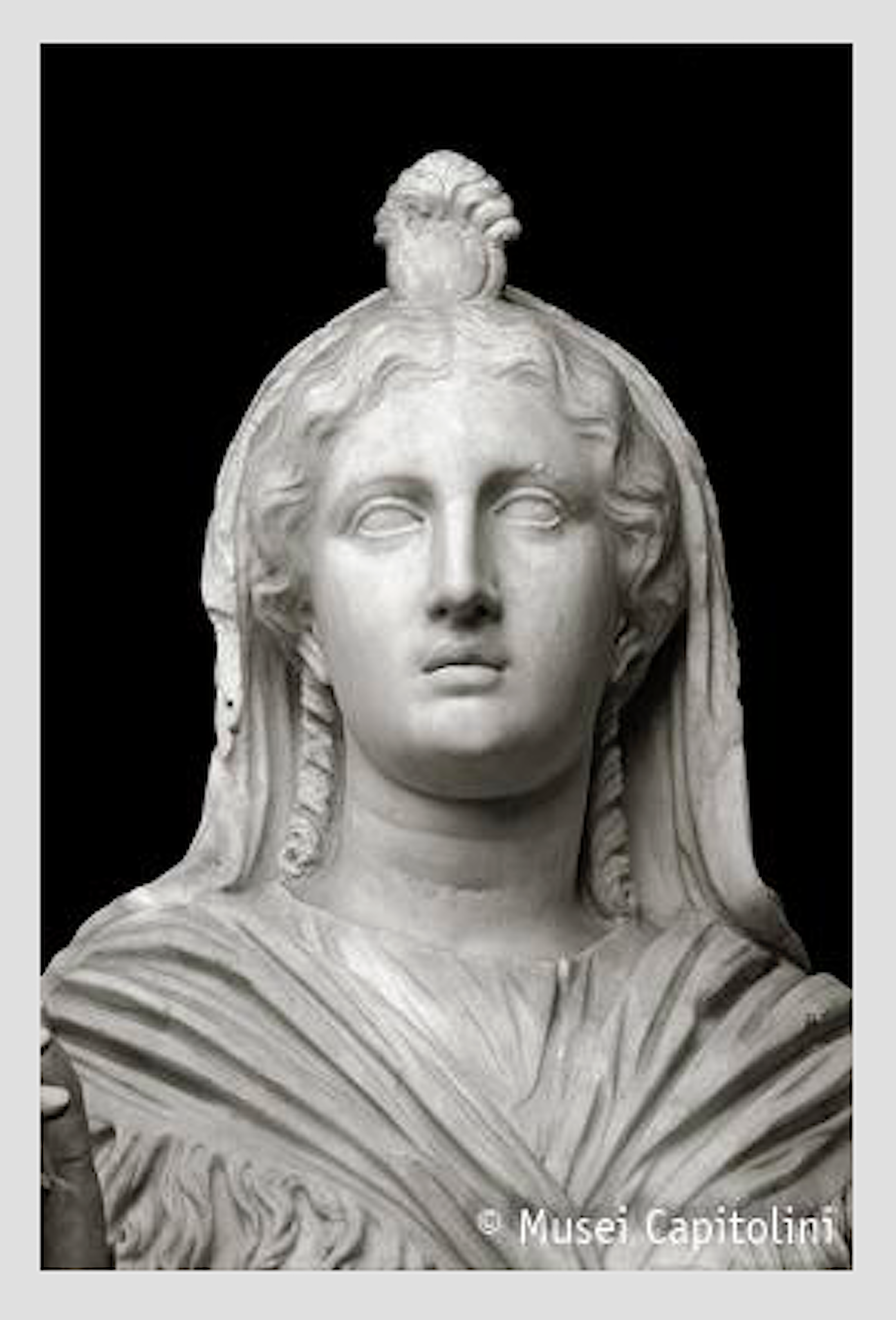
The Festival of Isis between 28 October and 3 November celebrates the magical power of the goddess, who was even more powerful than the sun god Ra.
Ancient Romans also held another festival to the goddess on 5 March, known as Navigium Isidis – the vessel of Isis. There were also festivals dedicated to the goddess on 25 December and 6 January – one coincides with the Christian celebration of Christmas and the other the Spanish festival of the Feast of the Kings. The October and March festivals coincided with the end and beginning of the farming year and the harvest, both the gathering in in October/November – and sowing seeds in early March.
The popularity of Isis worship in Ancient Rome blossomed after 1 AD and was at its peak in the third and fourth centuries AD. Isis came to be seen as the goddess of motherhood, nature and magic. Ancient Romans were a superstitious lot and believed in magic, portents, fortune telling and the afterlife. Not surprisingly, Isis also became the protectress of the dead. Some of the rituals in Isis worship were also solely witnessed by women, rather than the most important men of Rome.

The temple of Isis is located in the Campus Martius and it is also dedicated to the Graeco-Egyptian sound god Serapis. His cult was associated with the Egyptian cult of the bull, Apis – the Romans also had a cult of the bull, Mithras, which was worshipped at a temple known as a Mithraeum. The Mithraeum in Rome is situated beneath the Basilica di San Clemente.
The Isis cult was especially popular with women in Ancient Rome, as well as the plebeian class. The cult was brought to Rome by Greek sailors and Egyptian merchants – and at first the cult was viewed with suspicion by the Senate, which placed restrictions on its practice. Some private chapels dedicated to Isis were even destroyed.
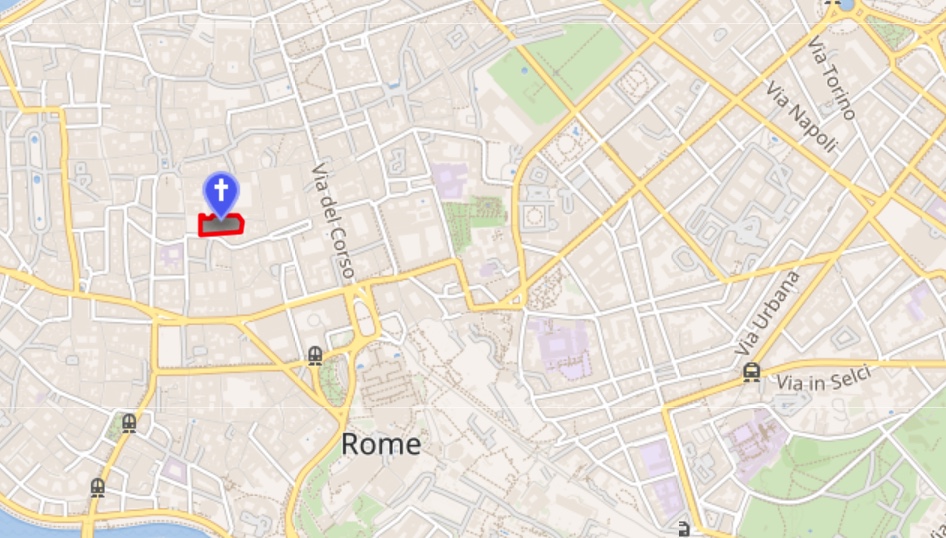
The remains of the Temple to Isis now lie beneath the church of Santo Stefano del Cacco, near the church of Santa Maria sopra Minerva in the Campus Martius – not far from Via del Corso and Piazza Colonna.
Buon viaggio!
You can view some coins from the Festival of Isis online at Beast Coins.
 novelromealone