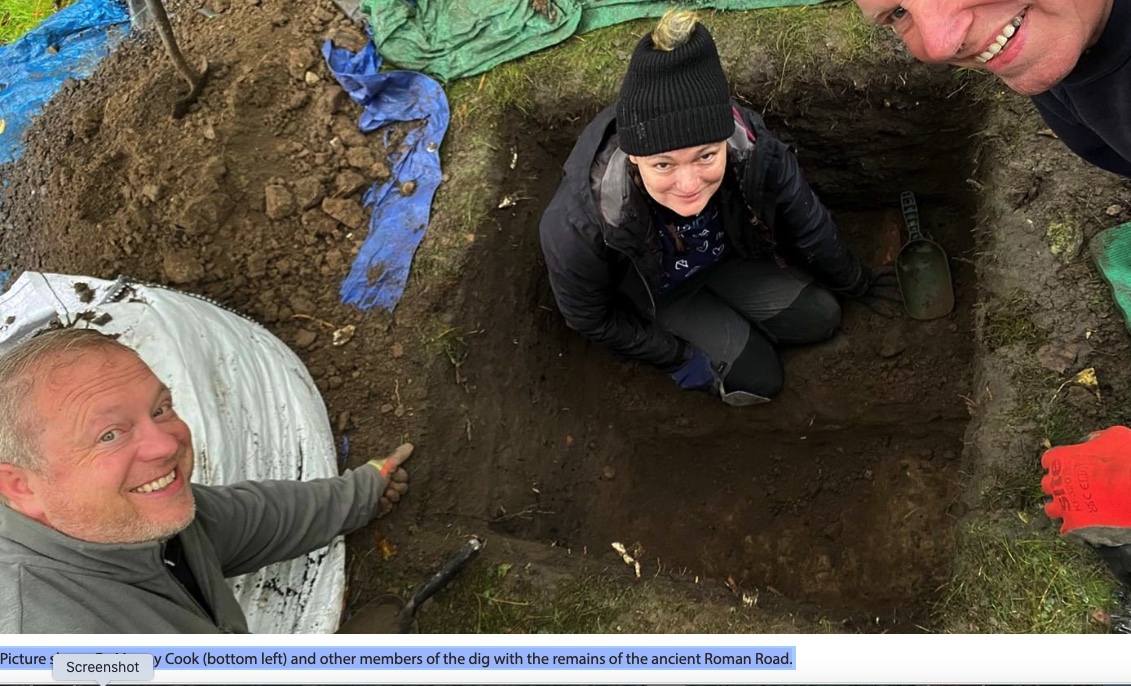
The discovery of a Roman road in Scotland said to be 2,000 years old may mean that Ancient Romans in Britain took the high road to Scotland.
The famous Scottish song Loch Lomond has the lyrics:
“O ye’ll tak’ the high road, and I’ll tak’ the low road,
And I’ll be in Scotland afore ye,
But me and my true love will never meet again,
On the bonnie, bonnie banks o’ Loch Lomond.”
The road was uncovered near Stirling and is thought to be the oldest Roman road ever found in Scotland. Loch Lomond and Stirling are in the Scottish area known as the Trossachs, which stretches across the centre of Scotland from east to west.
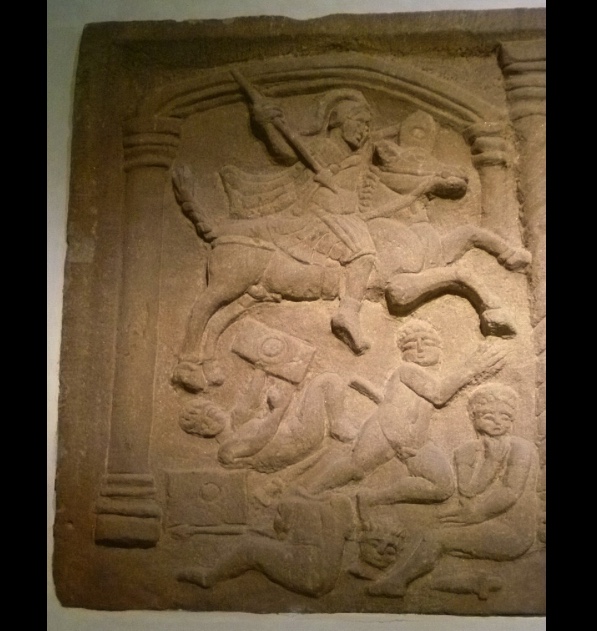
Conquering Scotland proved a challenge to the Romans – they sailed a fleet of ships to Orkney and also established Roman garrisons south of Aberdeen. However, Roman rule was mainly confined to the south of Hadrian’s Wall because of fierce defence by the Scots, as well as the need to quell unrest elsewhere in the Roman Empire and the geography of Scotland, with its mountainous and rocky landscape.
Stirling Council says that the cobbled road dates back to the 1st century AD – and was built by the Roman armies of General Julius Agricola.
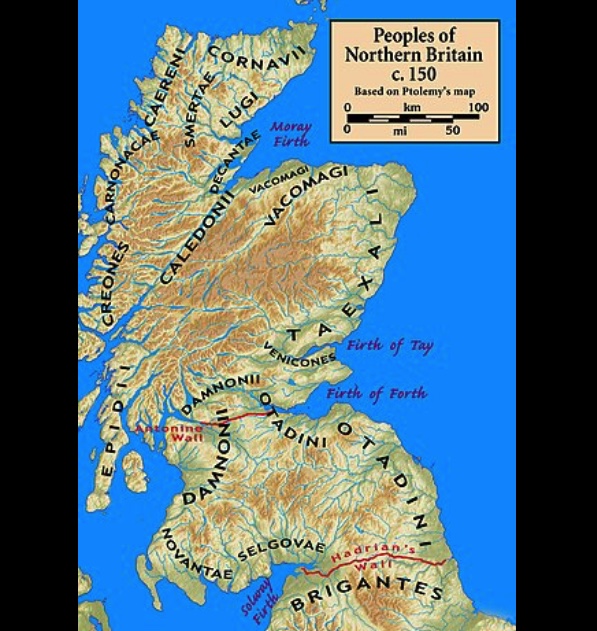
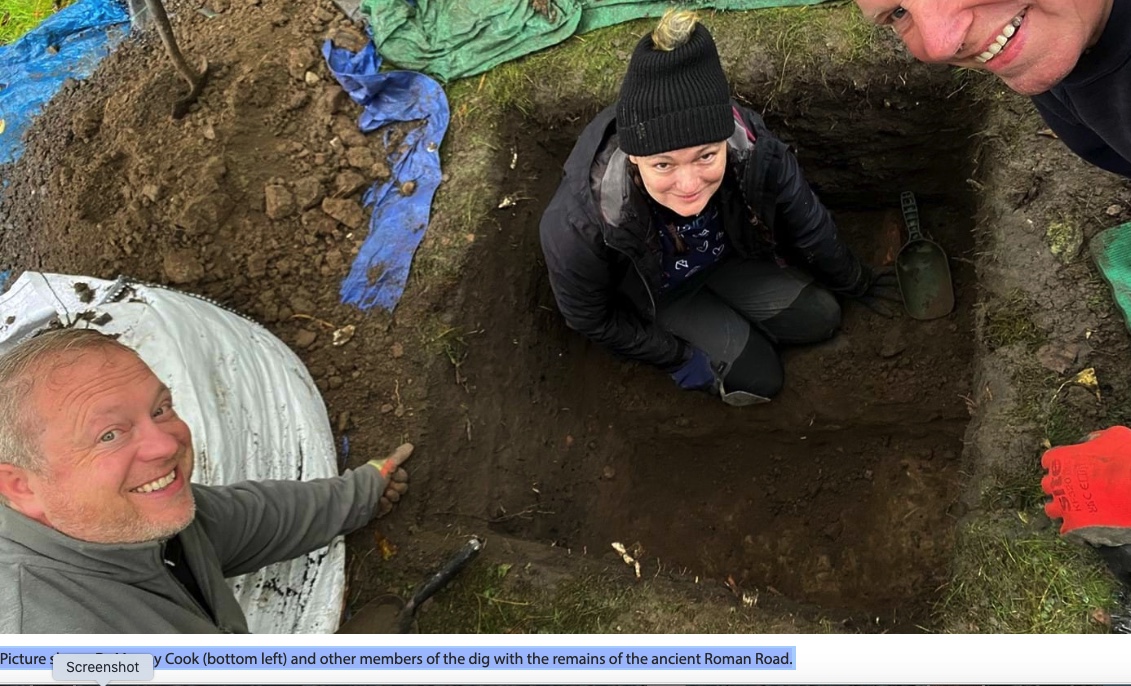
The road would have been connected to a ford that crossed the River Forth. It was uncovered during an archaeological dig in the garden of Old Inn Cottage , just a few miles to the west of Stirling city centre . The site is next to Old Drip Bridge, which dates from the 18th century.
Stirling Council Archaeologist, Murray Cook, who led the dig, said:
“This crossing would have been used by the Romans, the Picts, William the Conqueror, Oliver Cromwell and every King and Queen of Scotland, including MacBeth, Kenneth McAlpin and Robert the Bruce – but not Bonnie Prince Charlie, who we know crossed the river at a ford at Frew to the west of Stirling.
“It is the most important road in Scottish history, so it’s an amazing discovery. To literally walk where Wallace and Bruce went, let alone the Romans, Picts and Vikings is astonishing. It has also never been clear before this find where this road ran.
“To the south the road heads towards Falkirk and would eventually take you to England. To the north, it would take you a crossing over the Tay and the edge of the Roman Empire.”
Stirling Council Leader, Cllr Chris Kane said:
“Next year marks the 900th anniversary of Stirling – and we’ve world class built heritage from the last millennium to show for it.
“This discovery is a reminder that our built heritage goes back a further millennium to when it was the Romans crossing the Forth and starting the story of Stirling.
“Stirling’s place at the heart of Scotland and the heart of Scottish history is something we are very proud of – and understanding more about the route of the Roman Road adds another chapter to share with the many visitors who come from around the world to experience all that Stirling has to offer.”
You can read more about the discovery at Stirling.Gov.UK.
 novelromealone
