
Theodosius I – also known as Theodosius the Great – may not be as well-known as Romans like Julius Caesar and Emperor Augustus, but he had many claims to fame, including being the last Roman Emperor to rule both the eastern and western regions of the Roman Empire before it split into the two distinct regions.
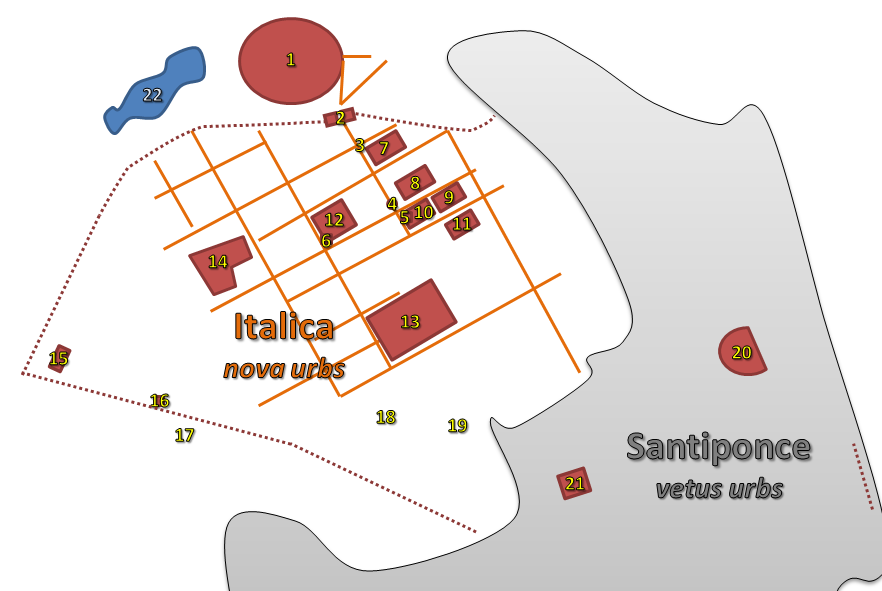
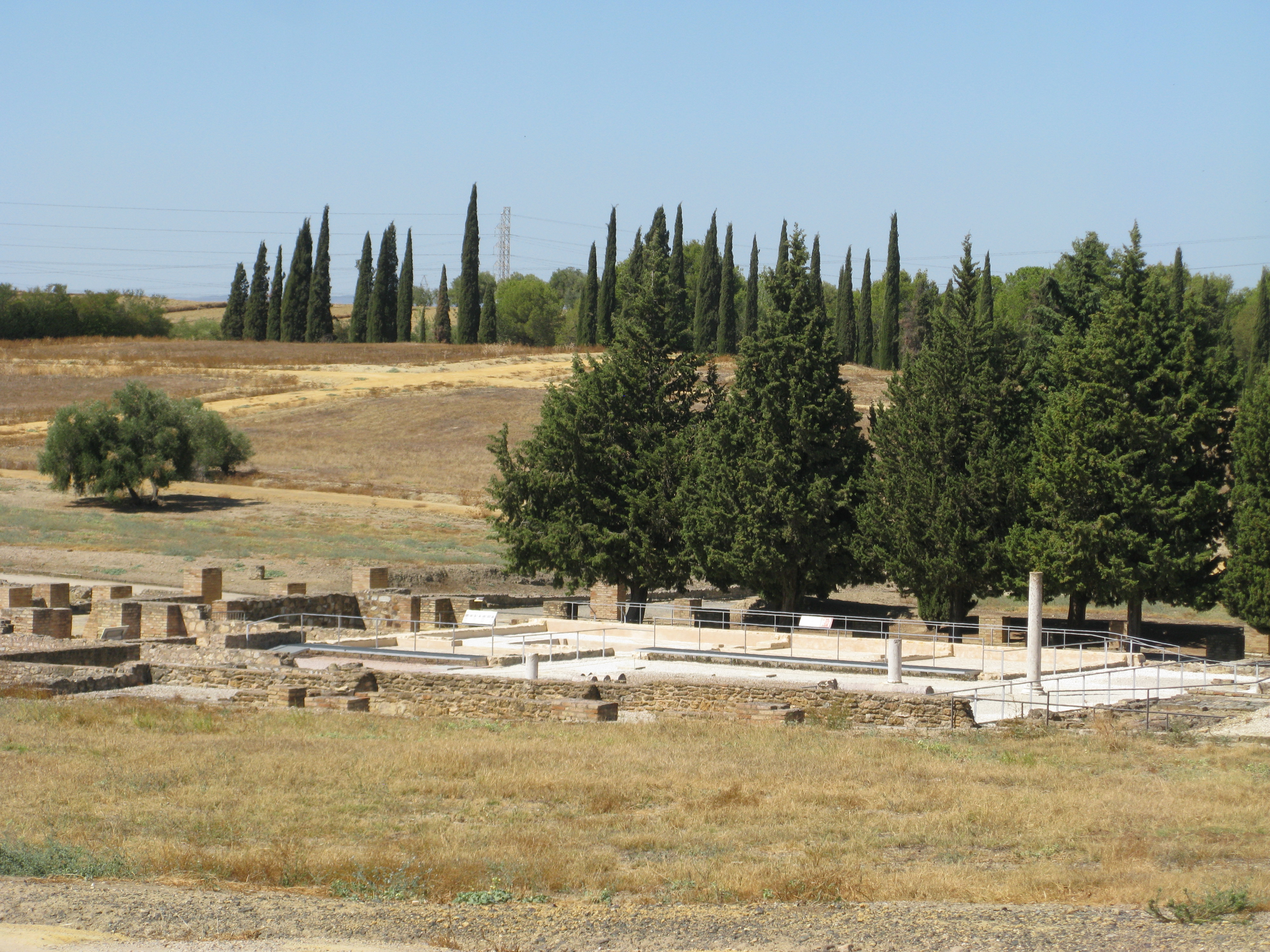
Theodosius was born in Spain on 11 January AD 347. Like Hadrian and Trajan, he was born in the Roman settlement known as Italica, just outside Seville in Hispania. This was the first settlement the Romans established in Spain.
His father – also called Theodosius and known as Theodosius the Elder – was a successful general who influenced his son’s ascent to power through the Roman army. His mother was Hermantia and both parents were of minor aristocracy, giving him the right sort of background to become a leader and eventually emperor. He married twice and had five children.
However, what really distinguishes Theodosius is the fact that he was a Christian – although he opposed the doctrine that God the Father superseded Christ in importance, a concept known as Arianism. Theodosius was tolerant of the existing pagan beliefs of Ancient Romans, but he eventually eradicated Paganism from Roman life. He did not censure or punish extreme Christians who desecrated or ransacked ancient pagan monuments, such as the Serapeum of Alexandria in Egypt – but believed in substantiality. Whereas Arianism believed that because Christ as the son of God the Father, he had been created and was therefore not equal to him; substantiality was a belief in equality, despite differences in substance.
Theodosius therefore ruled at a time when the belief system in Ancient Rome was changing. At first he ruled the Eastern Roman Empire – the Byzantine Empire – while Gratian and Valentinian II ruled the West. Theodosius married Valentinian’s sister, Aelia Flacilla, thus helping to shore up his succession to the Western provinces of the empire, too. She was also of Roman Hispanic blood and together they had three children – two sons who succeeded their father to govern the East and West of the empire, plus a daughter. His second wife was the daughter of Valentinian I and his second wife. It is easy to see how dynastic marriages were the norm for ambitious men and emperors, keen to shut down any challenges to their dynasty.
Theodosius fought two military campaigns during his reign – he was instrumental in ending the rivalry between Rome and Armenia and signed a treaty to partition it in AD 386. In AD 382, he was more or less forced to allow the Goths to settle around the region south of the River Danube, as his military and economic resources were not sufficient to launch a major offensive against the Germanic tribes and drive them from the Roman Empire. The Roman Empire eventually fell in the fifth century as a result of Rome being invaded by the Goths.
Theodosius the Elder was eventually executed – he had accompanied his father to Britannia in AD 368–369, after the Celts and Germanic tribes threatened the northern reaches of the Empire. It is thought that the death of his father resulted in Valentinian II becoming emperor at the age of four in AD 375 – and Theodosius lost influence and his military position as a result. He retired to his estates for a while, and avoided the purges of officials that ensued after Valentinian II became emperor. When the cause of this period of unrest – a senior official named Maximinus – was himself executed, Theodosius retuned from the shadows and became emperor on 19 January AD 379, just a week after his 32nd birthday – nice birthday present!
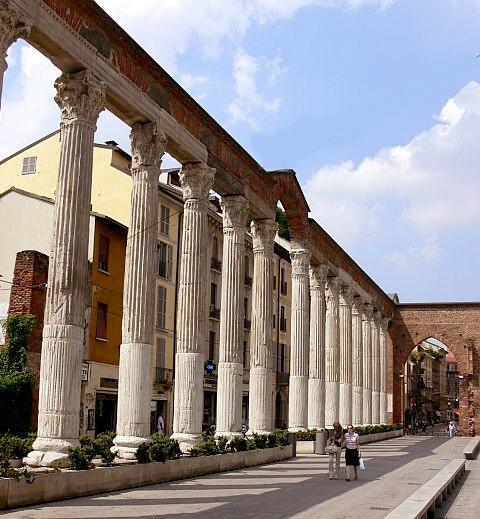
Theodosius’ health failed during his later years. He died in Milan on 17 January AD 395.
Theodosius had become known as an efficient administrator during his reign – and something of a pragmatist in his military campaigns and in establishing Christianity throughout the empire. But the incursions of the Goths on Roman lands could not be stopped and Europe was shocked in AD 410 by an invasion into Rome Itself.
The empire eventually fell completely in AD 476, just 71 years later, after 1,000 years of Roman civilisation from the time of the Roman republic.
You will find a memento to Theodosius I standing in the Hippodrome at Constantinople in Turkey. Known as the Obelisk of Theodosius, it was erected by him during his reign, but it is actually an obelisk dedicated to the Egyptian Pharaoh Tutmoses III (1479–1425 BC). As is typical of Romans, it was taken from the Temple of Karnak at Luxor in Egypt – and transported down the Nile by Emperor Constantine in AD 347 to rest at Alexandria. It remained at Alexandria until AD 390, when Theodosius had it transported to Constantinople and thereafter it became known as the Obelisk of Theodosius.
You can see a video that shows what “real” faces of Roman emperors might have looked like on YouTube, including the Theodosian Dynasty, at https://www.youtube.com/watch?v=FLykCYqo06
Read about the Forum of Theodosius in Constantinople at The Byzantine Legacy.
Buon viaggio!
Featured image: The amphitheatre at Italica
 novelromealone