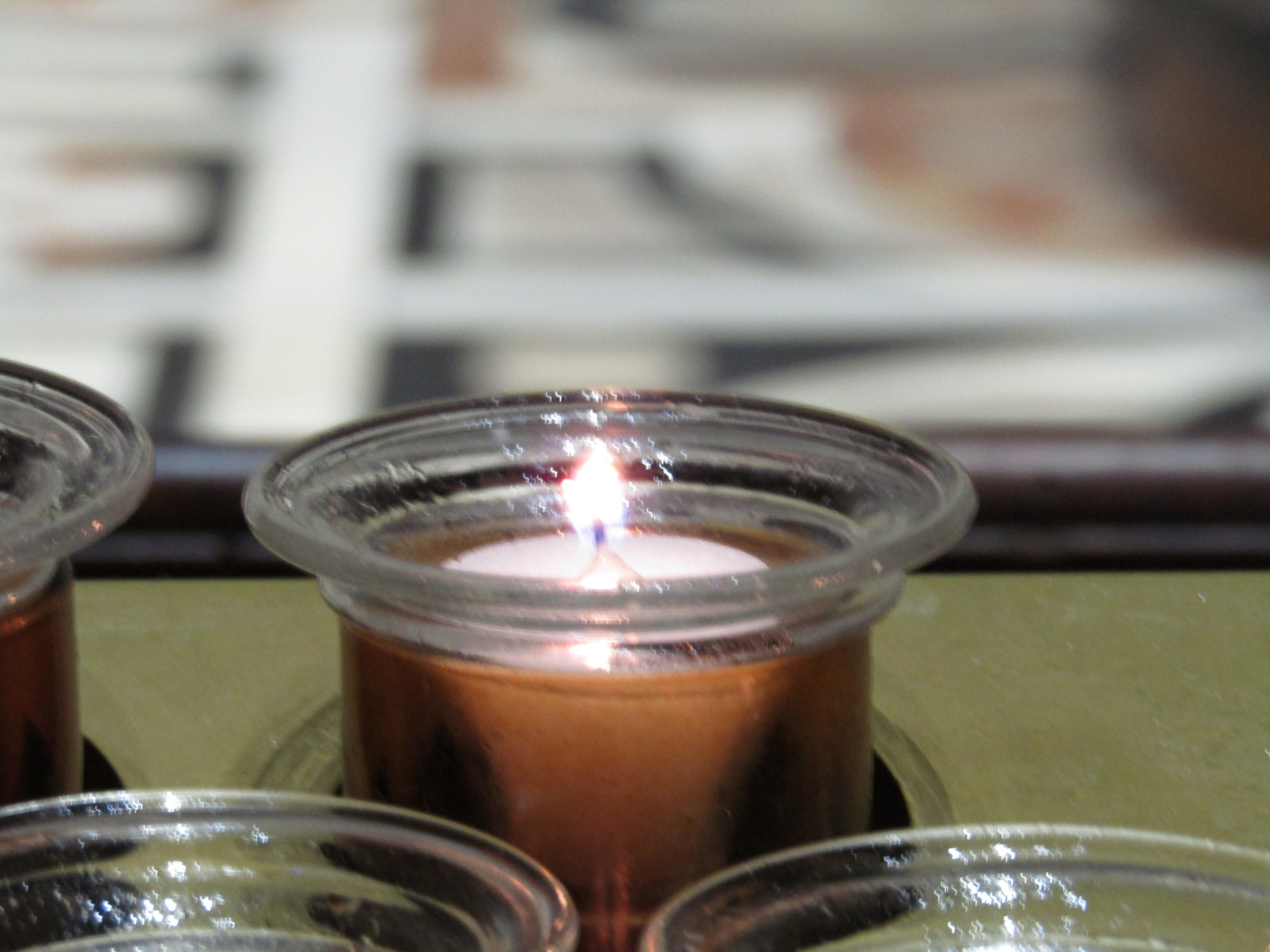
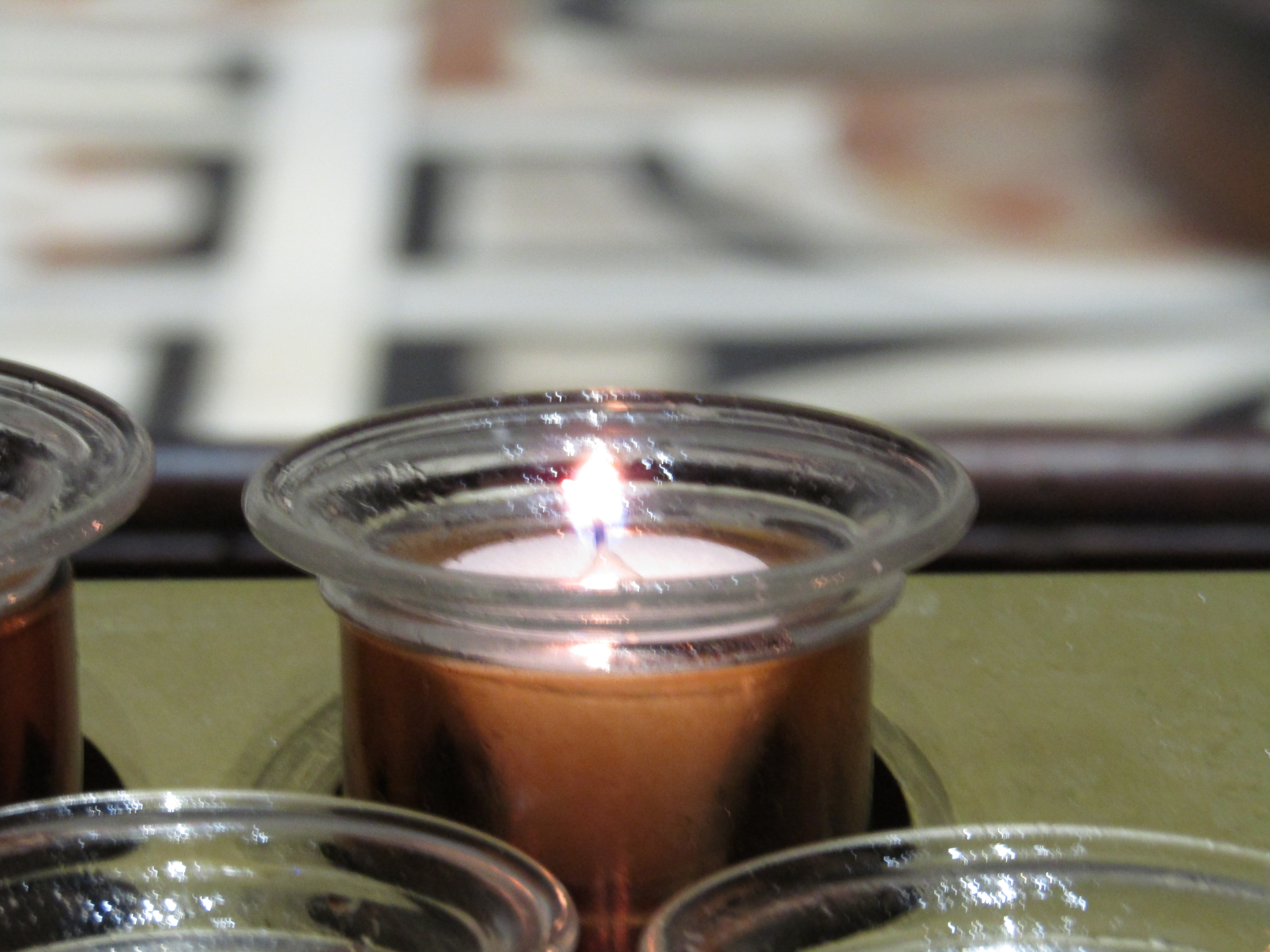
World Holocaust Day is on 27 January, when the world remembers those who died in the Holocaust and the liberation of Auschwitz, which happened on that date. This year, anyone who can is being asked to light a candle at 8pm in memory of those who died in the Holocaust.
However, this year Holocaust Memorial Day is especially poignant – and, for some, troubling – because of the conflict in Gaza after the October 7 attacks. Jewish monuments – most recently in Milan – have been defaced and Jews attacked. In the UK, important education work provided by the Anne Frank Trust has been withdrawn from some schools because of the tensions caused by the Gaza conflict.
World Holocaust Day not only remembers those who died at the hands of the Nazi war machine – Jews, Roma, homosexuals, political dissidents, those with disabilities and those considered mentally impaired, or those unable to work, including the elderly or children and babies – it also remembers all those who have died in conflicts. During the Holocaust, Jews might have formed the largest group who were murdered, but the Nazis were conveniently two-faced in their censure of others, even murdering Germans who opposed their murderous regime or opposed them in some way.
Nazis also controlled access to information – they publicly declared that certain art genres were degenerate and put them on show as a mockery, while busily seizing valuable examples of them and squirrelling them away for themselves. They claimed jazz music with its black roots was degenerate, while enjoying it themselves. Researchers are still debating whether Hitler himself had Jewish ancestry through one of his grandfathers, was a closet homosexual, or really did become a psychopath because of his failed career as a landscape artist.
But often discrimination just seems to be an excuse to subordinate others – it is breathtaking how flexible discrimination can sometimes be in the minds of those who practise it.
Discrimination frequently is a tool used to achieve control – some even claim the Holocaust is fiction. From those I have spoken to who were there – including a former London police officer who as a young army officer was sent into post-war Germany to “clear up” after the Holocaust – there was nothing reassuringly fictional about what happened to millions of people at the hands of the Nazis: people who had different beliefs, appearances, sexuality, nationalities, and were any age from newborns upwards. But the effects of any war are the same – all sorts of people die or are maimed, regardless of any discrimination the conflict is apparently based on. People discriminate, war does not.
At any moment in time any one of us could suddenly find that, for reasons that are not our fault, we might suddenly become the target of someone else’s discrimination and the fallout from this. Being on what seems to be the winning side does not necessarily guarantee that you will end up on the winning side, as both Hitler’s and Julius Caesar’s eventual fates clearly demonstrate.
First They Came by Pastor Martin Niemöller
First they came for the Communists
And I did not speak out
Because I was not a Communist
Then they came for the Socialists
And I did not speak out
Because I was not a Socialist
Then they came for the trade unionists
And I did not speak out
Because I was not a trade unionist
Then they came for the Jews
And I did not speak out
Because I was not a Jew
Then they came for me
And there was no one left
To speak out for me.
The Jewish Ghetto in Rome in WWII
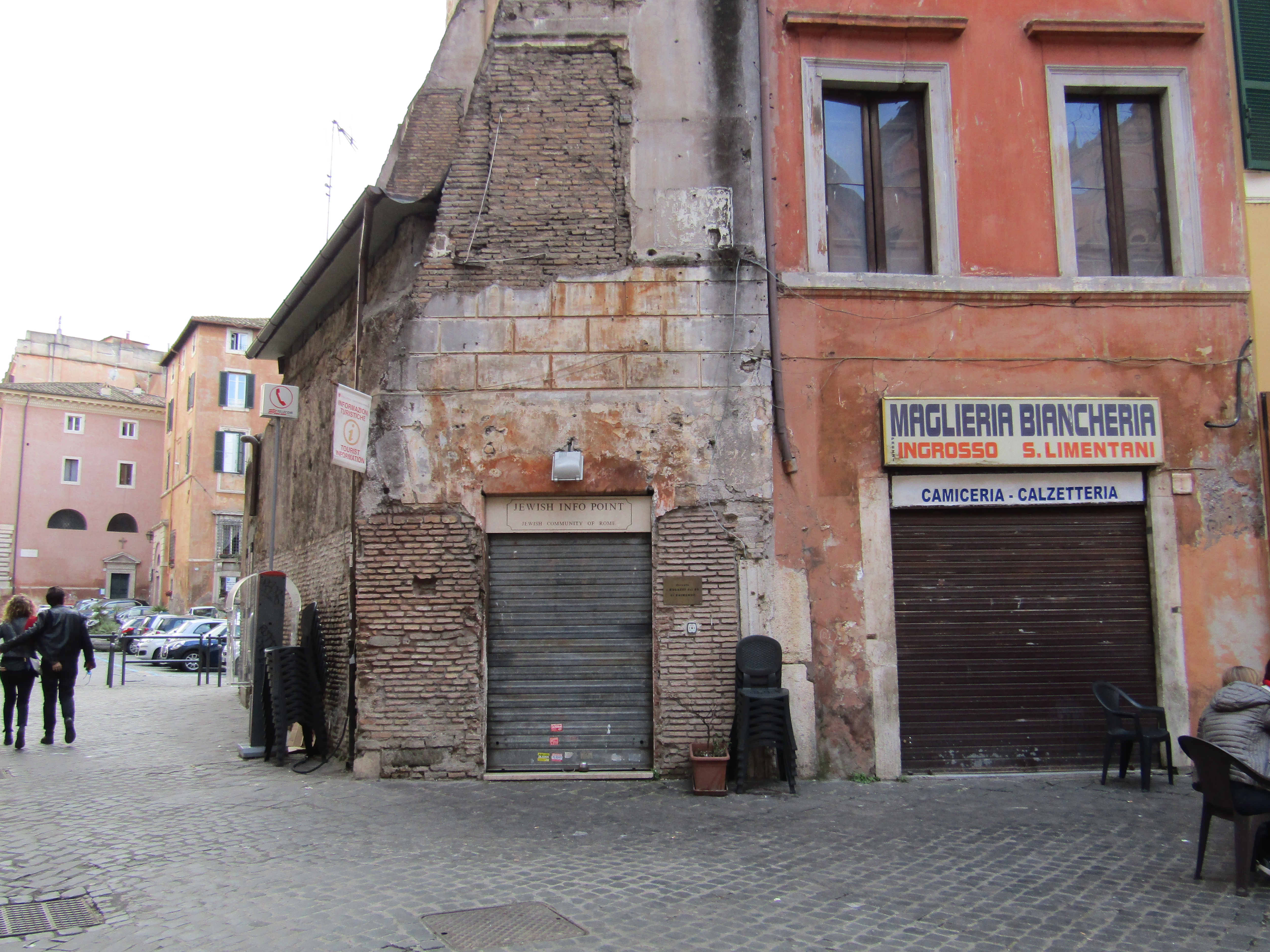
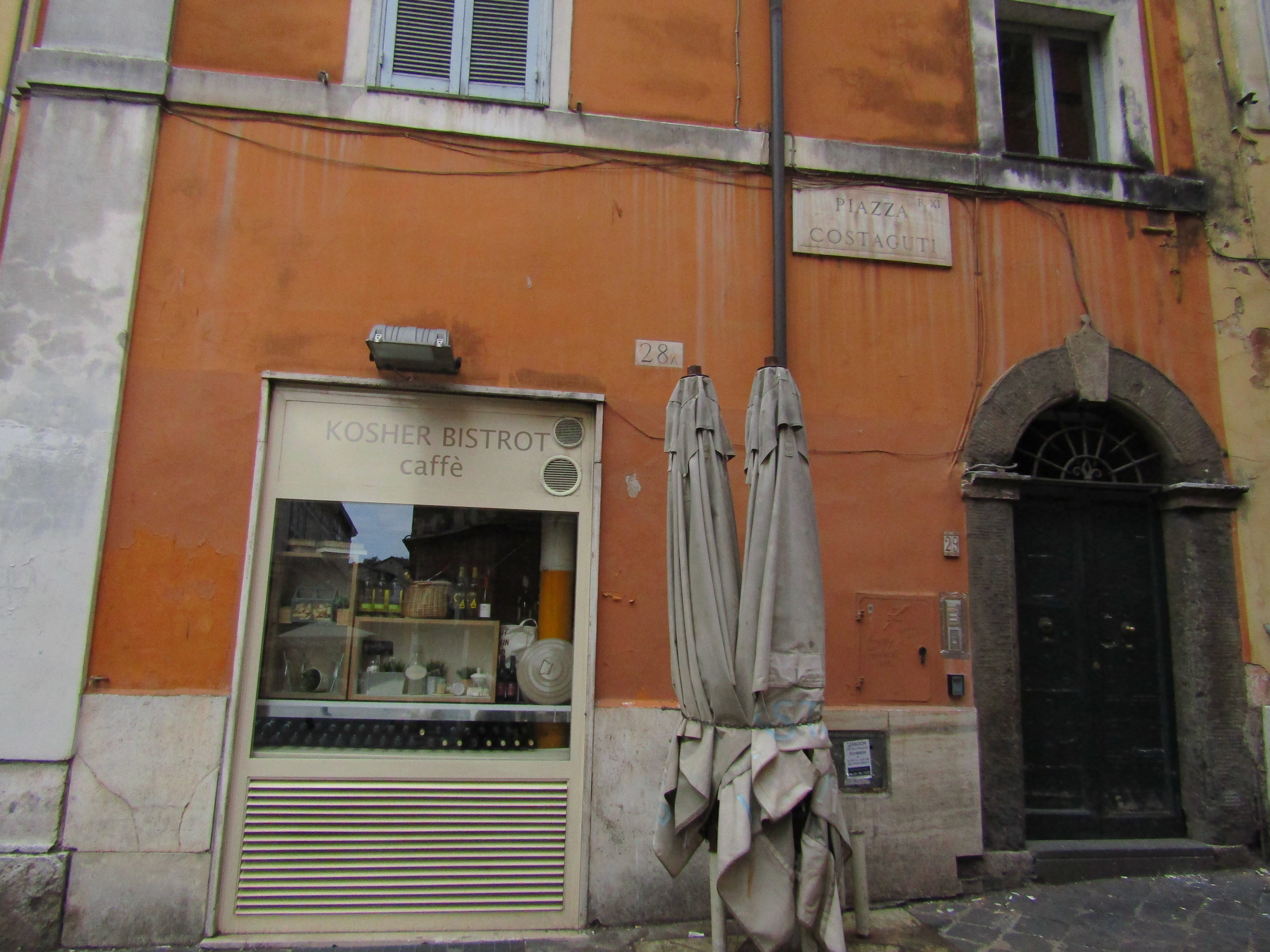
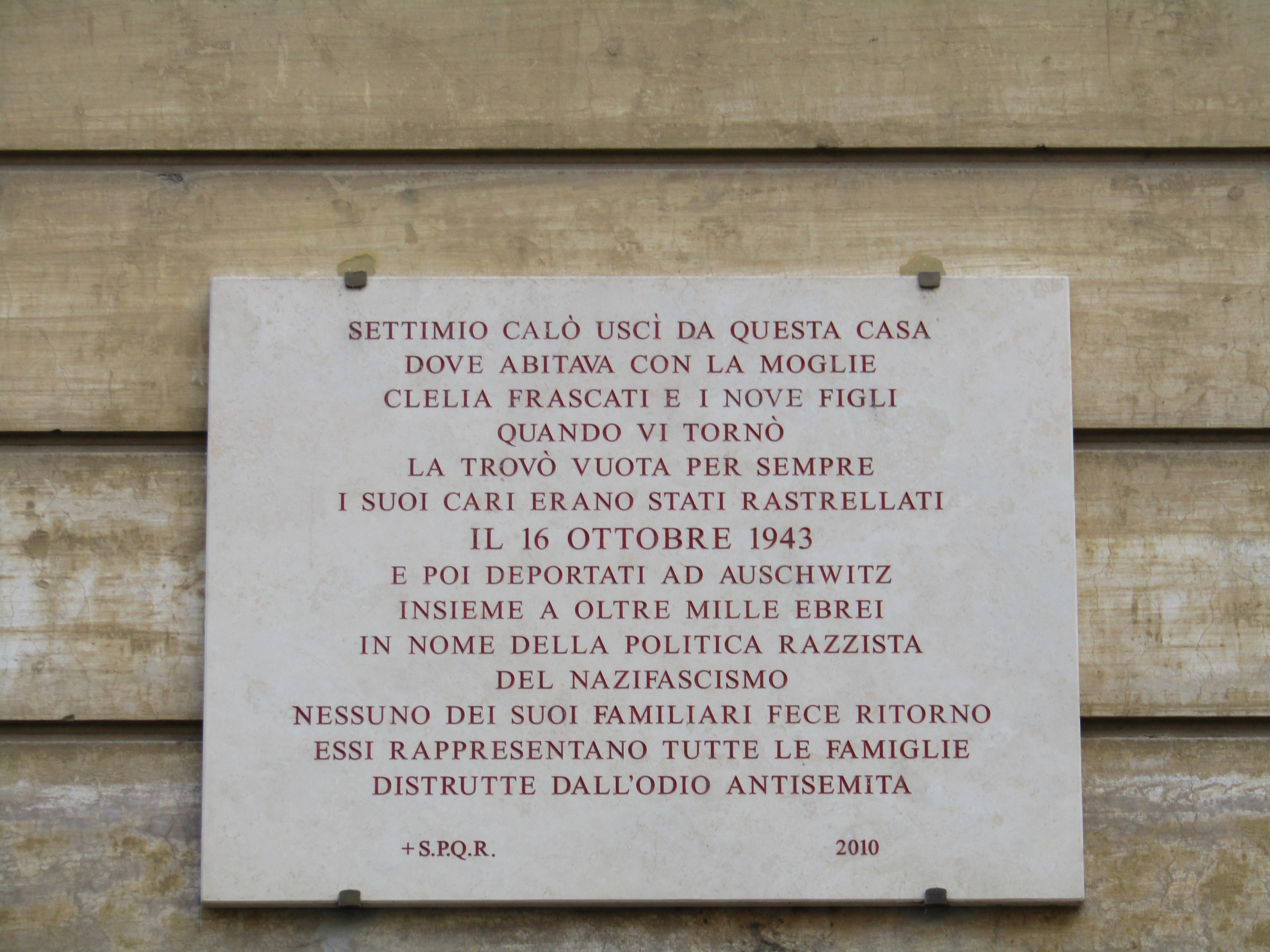
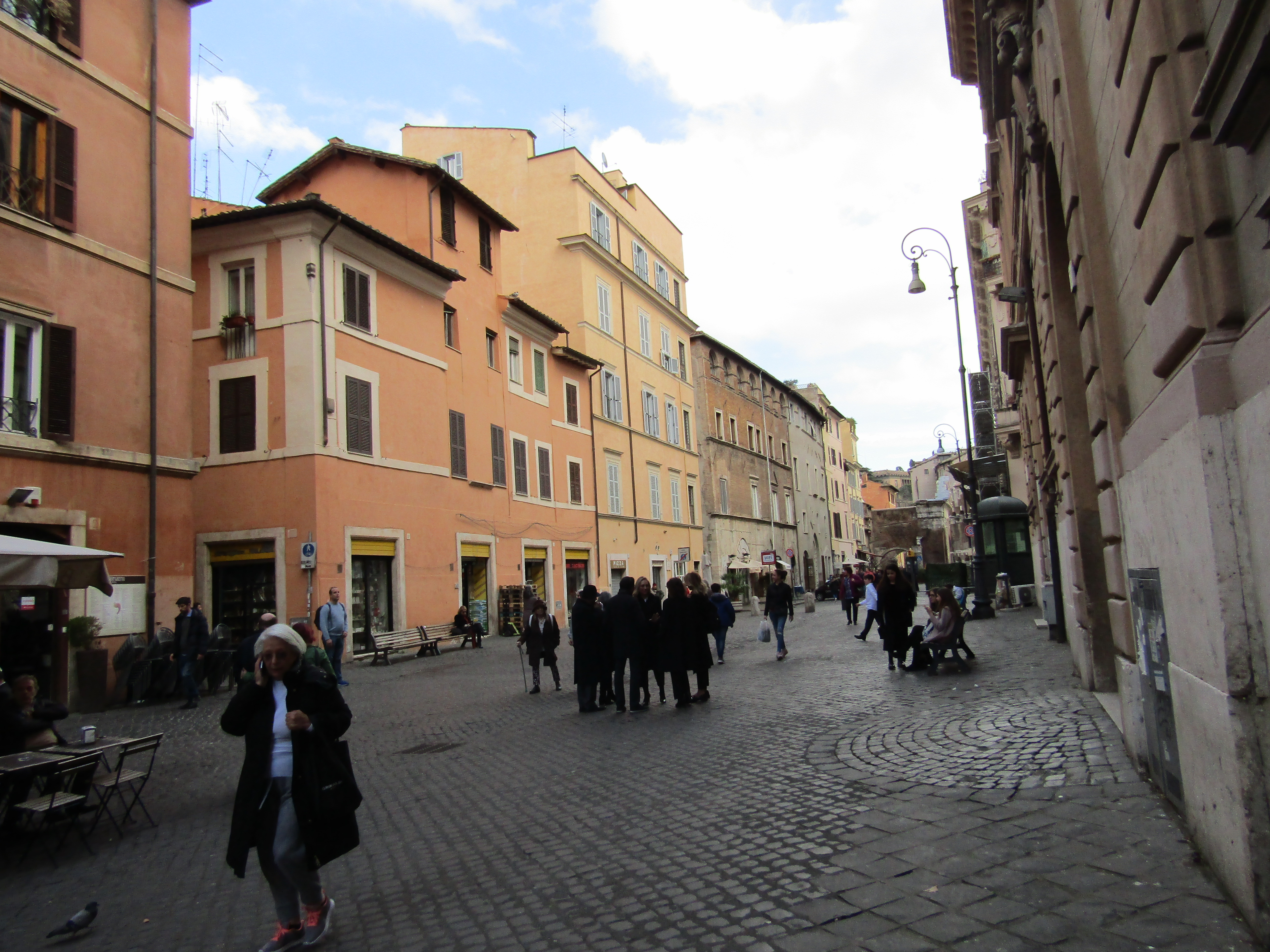
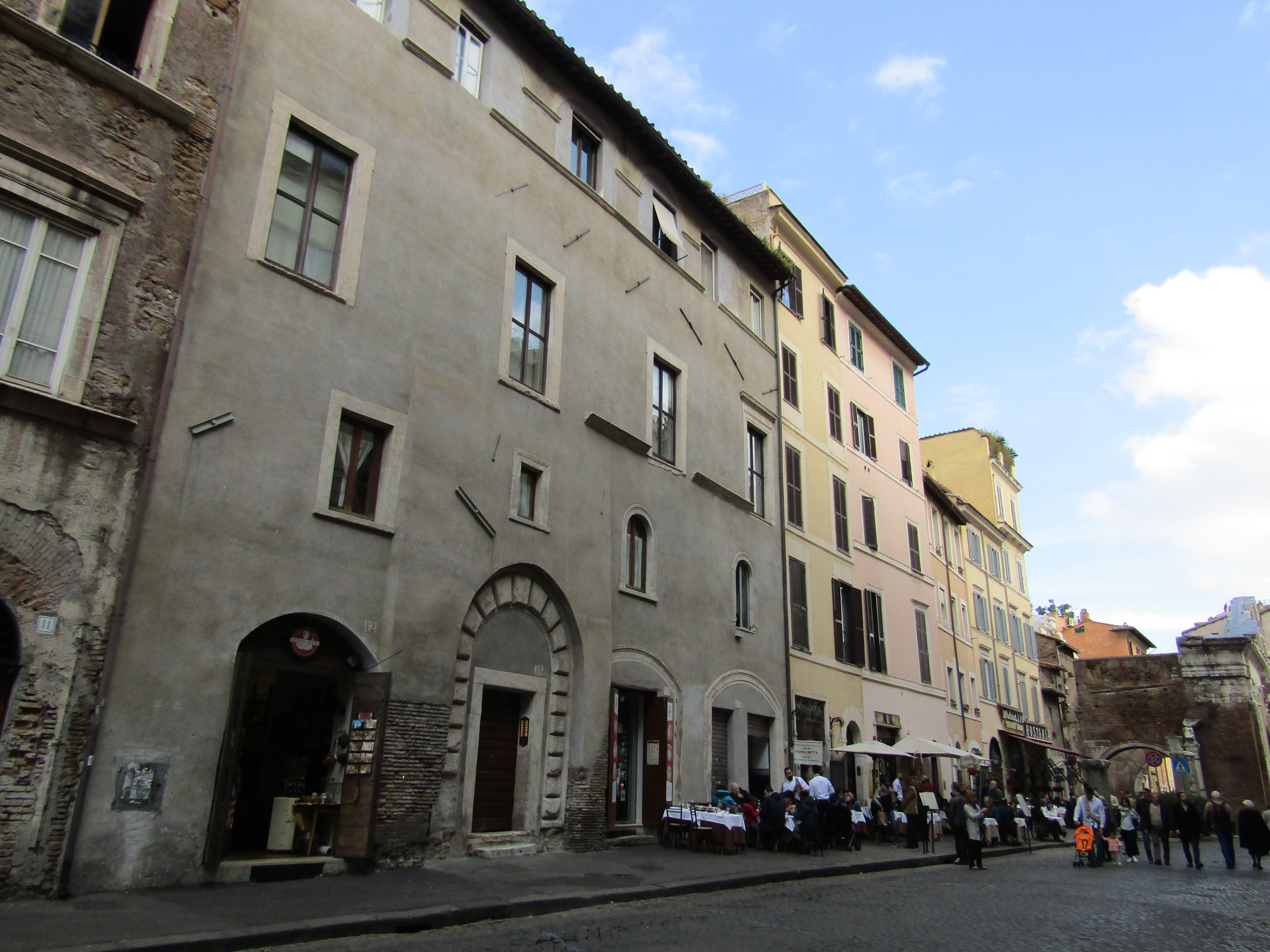
Auschwitz was the largest of the Nazi death machine camps and residents of the Jewish ghetto in Rome were among those who were transported and died at the hands of the Nazis. If you visit the Jewish quarter of Rome today, you will see plaques on the buildings remembering those who once lived there and were transported to death camps during WWII.
The Jewish Quarter in Rome (Ghetto di Roma) is one of the oldest Jewish communities outside the Holy Land, dating from 1555 and pre-dating the historic Diaspora (meaning Jews living outside Israel), which separated the Jewish community into Ashkenazi and Sephardic Jews. Ashkenazi Jews are thought to be of Eastern European or Germanic origin, while Sephardic Jews are thought to emanate from Spain or the Middle East. The Ghetto di Roma is the second largest Jewish community in Italy – but the first Jewish Quarter outside the Holy Land was established in Venice. Those who know their Shakespeare will know The Merchant of Venice, telling the story of the Jewish money lender Shylock, who is portrayed as a money grabbing, heartless villain. It is though Shakespeare would have travelled to Italy – he certainly knew it well. However, the Jewish quarter in Venice was strictly controlled during his era – Jews there lived in relative poverty and had to observe a strict curfew, although they did earn a living providing what we would now call “financial services” to others.
Jews had arrived in Rome much earlier than the establishment of the Ghetto di Roma, however, and have lived in Italy for more than 2,000 years.
The community in Rome lived inside a walled ghetto in the area of Rione Sant’Angelo, near the River Tiber to the south of the market piazza, Campo dei Fiori, just behind Teatro Marcello. It is a relatively small area to visit, consisting of only four blocks – and was originally built on some of the poorest land in the city, where Jews were forced to live.

The old fish market (“La Pescheria”) in via del Portico d’Ottavia (c1860). The marble slabs where the fish was sold are visible on both sides of the road. The buildings on the right now house some of the best Jewish restaurants in the Ghetto. (Image and text courtesy of Wikipedia.)
During the Holocaust, Jews living in Italy were interned from 1941 in concentration camps in Campagna and at Bolzano in the Veneto region – a transit camp run by the Nazi regime. The Italian community helped some interned Jews escape from the camps in the initial years of internment – and the city of Verona in the Veneto region opposed the Nazis and was awarded with the Gold Medal of Military Valor for its support of partisan opposition to Nazi occupation in Italy. There was also strong resistance to Nazi occupation and other Fascist groups in Italy by partisan organisations operating under the umbrella name La Resistenza. Other groups, allegedly including some members of the Mafia, saw Nazi occupation as a business opportunity. But after 1943, Jews in Italy were sent to death camps.

In October 1943, the Nazis entered the Jewish Ghetto in Rome – those they deported were sent to Auschwitz-Birkenau and never returned. Read the testimony of survivors to find out exactly what happened when the Jewish community was rounded up by the Nazis on 16 October 1943 in Rome.
An estimated 7,500 Jews living in Italy perished during the Holocaust and the actions of Pope Pius XII during WWII have often been at the centre of criticism as to why the Vatican allowed the Holocaust to happen – with some claiming that the Pope refused to help on the grounds of neutrality, or because he feared losing the support of Catholics in Germany and Austria; while others claim he worked in secret to secure help for the Jews. You can read more online about the Vatican’s stance during WWII at the Jewish Virtual Library.
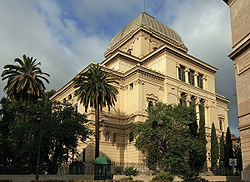
Great Synagogue of Rome (image Wikipedia)
Rome’s Jewish Quarter today
Today the Jewish Quarter in Rome is a bustling place, renowned for its cuisine, including bakeries and patisseries, as well as restaurants serving traditional food.
It has continued to survive and thrive, with plenty to see, from the Great Synagogue to the Roman amphitheatre Teatro Marcello, the Jewish Museum and the Bocca della Verita dating from the 1st century AD – a marble sculpture which is not part of the Jewish culture, but is part of Roman superstition: if you tell a lie while your hand is in the mouth of the sculpture, legend has that it will be bitten off.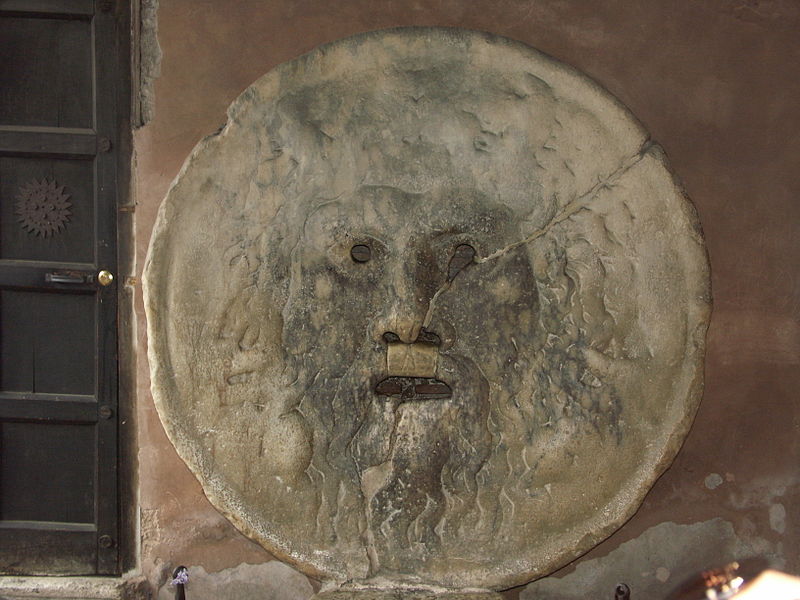 Bocca della Verita – image by Dnalor, Wikipedia
The Nazis and the Roman Empire
The Nazis were great admirers of Ancient Rome and the Roman Empire – even though the greatest Roman Emperor of all time, Julius Caesar, was a friend to the Jewish community. The Nazis used the same motif of power and strength as Ancient Roman as their emblem – the eagle.

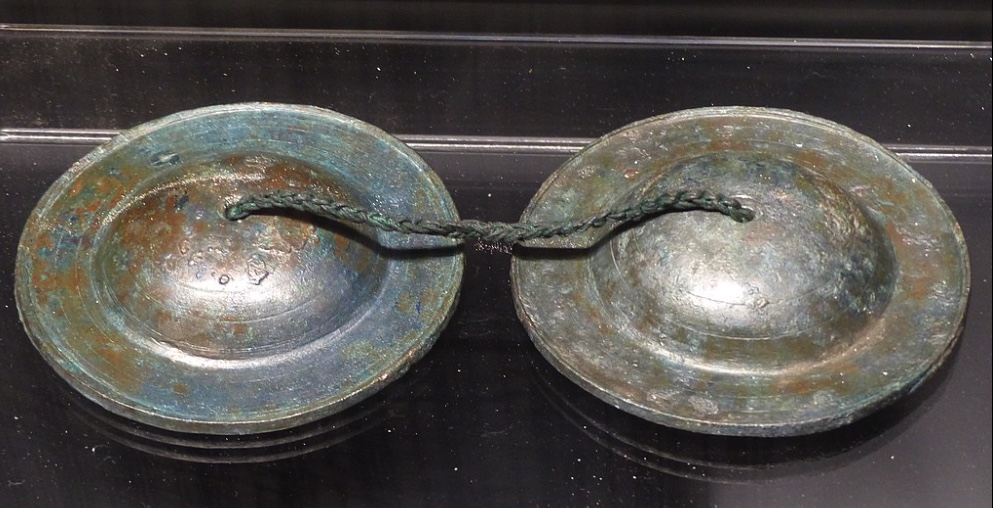
However, unlike the Nazis, the Roman Empire was generally a very diverse and even tolerant place. The Ancient Romans frequently allowed those they absorbed into the empire (ie conquered) to practise their culture, beliefs and religions, often adopting into their own culture practices and beliefs of their newly acquired Roman citizens across the empire. In Ancient Rome, homosexuality, lesbianism and bisexuality were practised, albeit discreetly. Political dissension was clamped down on – but political debate was lively, even at street level. The elderly were revered and those with disabilities were cared for, even within specialist care centres. Very little was considered “degenerate” in ancient Rome, although it was considered inappropriate to be seen drunk in the street. The new or unknown were embraced – it is thought Romanies were first reported in Rome during the empire, when Puellae Gaditanae (girls from “Gades” – Hispania or Roman Spain) arrived in the capital and danced barefoot in the street, playing cymbala on their fingers, causing a sensation and introducing Ancient Romans to what we know as flamenco.
By contrast, during the Holocaust, at the hands of the Nazis, not only Jews died but also the elderly and infirm, children and infants, those with physical and mental disabilities, homosexuals and lesbians, Romanies and those considered political dissidents, such as Communists. In fact, anyone who did not fit the “fit and fair” Aryan identikit of perfection and value to the State that the Nazi regime had drawn up, including some Germans who opposed Nazi ideology.
Nazi PR
The Nazi promotion machine was profuse – leaflets, pamphlets, flyers, films, staged events were all deployed to paint a picture of a perfect lifestyle under Adolf Hitler. There were mocked up films of concentration camps showing them to be more akin to holiday camps than extermination centres, which reassured the German people that those transported from their homes were having a whale of a time.
Hitler also loved music and opera – especially Wagner, whose epic themes and stirring tunes seemed to hark back to a golden age of Germany, steeped in folklore, chivalric principles and heroism. As a musician, it was possible to survive the Nazi death camps by joining an orchestra, some of whom played for the prisoners on their way to work in the camps. There was even a jazz orchestra in Auschwitz – called the Ghetto Swingers.
Hitler’s idol, Julius Caesar also liked to hark back to the ancient golden age of Rome’s creation in his own self-promotion, claiming to be the direct descendant of Aeneas, the founder of Rome in the poet Virgil’s epic poem The Aenied. Aeneas was also partly a god, being the son of Venus. Therefore Caesar was claiming to be not only of noble descent, but also a demi-god himself, which annoyed the Senate and its mere mortals greatly.
The Ancient Romans also had marching songs composed for them, though none is known to have survived – the Romans liked to march even more than the Nazis, and that is perhaps where Hitler got the idea from.
However, a love of music did not always prevent Hitler from murdering practitioners of the art. The Russian tenor Theodore Ritch (1894-1943) died on a train en route to a concentration camp in Poland in 1943. A recording of Ritch singing the famous aria from Puccini’s Tosca, E Lucevan le Stelle, still exists.
The opera is set in Rome in June 1800 and tells the story of a love affair between an artist, Cavaradossi, and a singer Tosca, who are ensnared by the Chief of Secret Police, Scarpia – he ultimately wants Cavaradossi out of the way and Tosca for himself. The character of Tosca famously leaps to her death from the battlements of Castel Sant’Angelo in Rome after Scarpia has Cavaradossi imprisoned and shot. Cavaradossi sings E Lucevan le Stelle – “And the stars were shining ” – in his prison cell the night before he goes to his death.
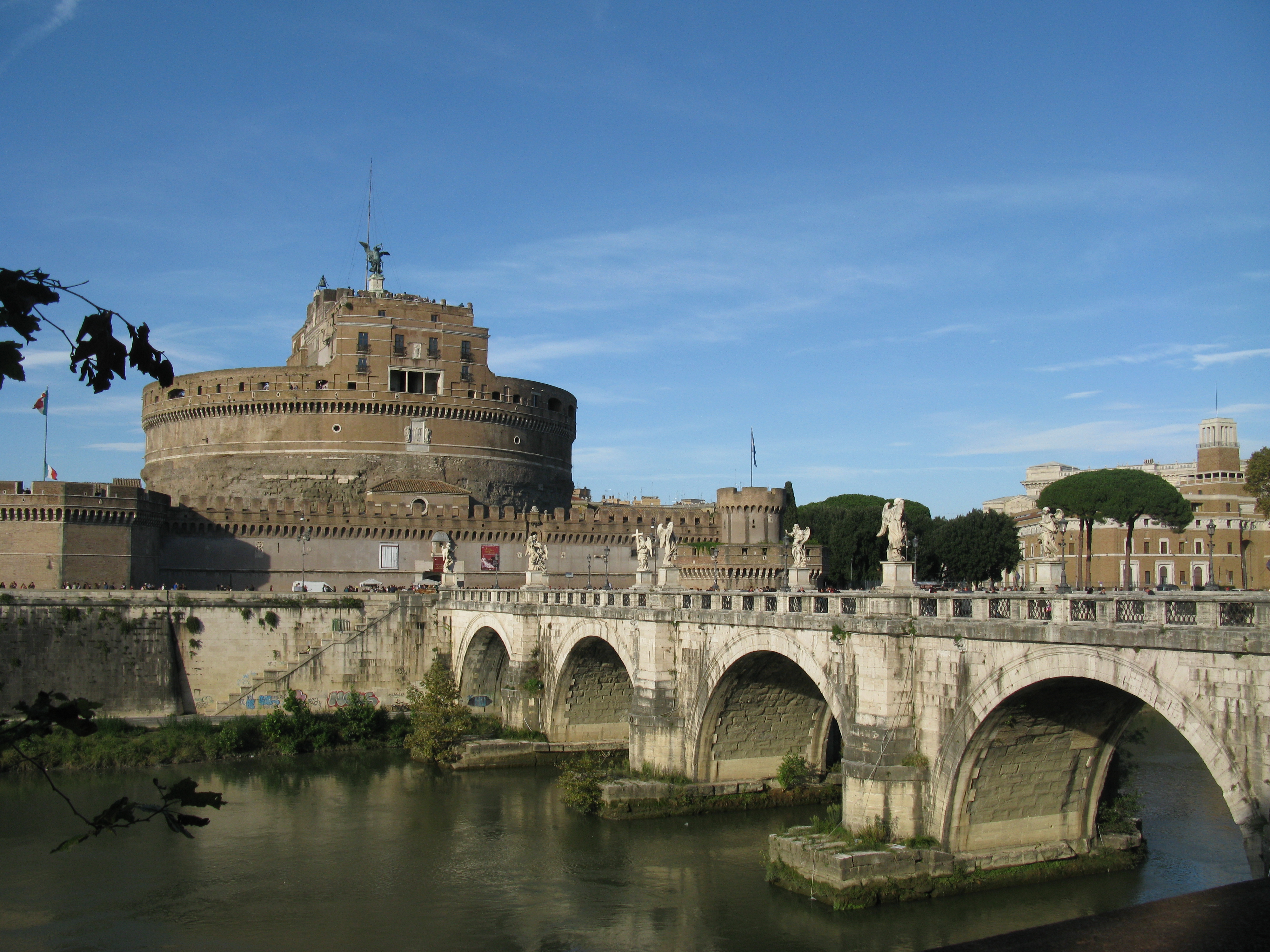 Castel Sant’Angelo
There is also a story told by a survivor of the Nazi concentration camps, who said he heard a tenor singing the aria E Lucevan le Stelle every day in his prison block, until one day the singing stopped and was never heard again.
The voice of Holocaust victim Theodore Ritch singing the famous aria acts as a powerful reminder of the millions who died so pointlessly and cruelly in the Holocaust and those who are victims of war today – but whose voices will never be silenced.

Porticus Octaviae, Rome – gateway to the Jewish Quarter
Marking World Holocaust Day
Let’s remember all victims of war this Holocaust Memorial Day – and not discriminate. So often war is the product of just one man’s psychopathy and a group of power-crazed sycophants surrounding him. It happened during the era of the Roman Empire – and it is still happening now.
The Roman poet Lucan wrote in his epic poem Pharsalia about the war in 50BC between Julius Caesar and Pompey, six years before Caesar was murdered in the Senate. The alliance between Caesar and Pompey had ended after the death of Pompey’s wife Julia, who had died in childbirth in 54BC – and who was also Caesar’s daughter and his only child from his marriages. The two men thereafter became serious rivals for power. Ironically, Julia had at first been engaged to her childhood sweetheart, Brutus – famously credited for being one of the leaders of the plot to murder Julius Caesar. It is said that Brutus never forgave Caesar for breaking his engagement to his childhood sweetheart and marrying Julia off to the much older Pompey for dynastic reasons. Even in times of political conflict and war, love plays its part. But the fallout broke apart the Triumvirate – a political allegiance – between Caesar, Pompey and Crassus.
Pharsalia begins:
I sing of a worse than civil war, of war fought between kinsmen
over Pharsalia’s plains, of wickedness deemed justice; of how
a powerful people turned their own right hands against themselves;
of strife within families; how, with the first Triumvirate broken,
the forces of the quivering globe contended in mutual sinfulness;
standard ranged against standard, eagle matched against eagle,
spear threatening spear. What madness, my countrymen, how wild
that slaughter!
The war between Caesar and Pompey was triumph for Caesar at the battle of Pharsalia – after his army entered Rome, Pompey’s forces sustained 15,000 casualties. Caesar took 24,000 of Pompey’s soldiers prisoner. But the suspicions the Senate had over Caesar’s increasingly despotic leadership and self-deification did not end – his murder in March 44BC, however, plunged Rome into turmoil.
Julius Caesar, the Jews and Jerusalem
The Romans were generally tolerant of the Jewish community, especially Julius Caesar, whose death was mourned by the Jews in Rome. However, the emperors Hadrian, Tiberius and Claudius instigated expulsions of the community – and the future emperor, Titus, was responsible for the sack of Jerusalem in 70AD at the instigation of his father, Emperor Vespasian, with Tiberius acting as his second-in-command for the military campaign.
The Jews had lived in Rome since the second century BC – Julius Caesar had ended the persecution against them and that is why they mourned him. With Caesar’s death, the position of Jews in Rome became more precarious. It was Caesar who gave Jerusalem to the Jews to rule in perpetuity under Roman supervision. He consented to the Jews building walls around the city – and he rewarded Hyrcanus, the son of Alexander, high priest of the Jews, by decreeing:
“Hyrcanus and his children bear over the nation of the Jews, and have the profits of the places to them bequeathed; and that he, as the high priest and ethnarch of the Jews, defend those that are injured; and that ambassadors be sent to Hyrcanus, the son of Alexander, the high priest of the Jews, that may discourse with him about a league of friendship and mutual assistance.”
Julius Caesar was a protector of the Jews on a global stage – and that is a legacy still under scrutiny today, but some may not realise the historic part played by Caesar.
It is another peculiar facet of Naziism that, whereas Hitler admired and wished to emulate Caesar and the Roman Empire, he decided to target the one group of people Caesar protected and annihilate them. It seems the expediency of discrimination means ideals can be adapted to suit self-interest whenever it is deemed desirable.
In history, there are no easy answers or solutions – but our challenge as human beings is that, here on earth, only we can provide a solution that is just and fair, peaceful and without discrimination – and allows others to live the life we ourselves would wish to live.
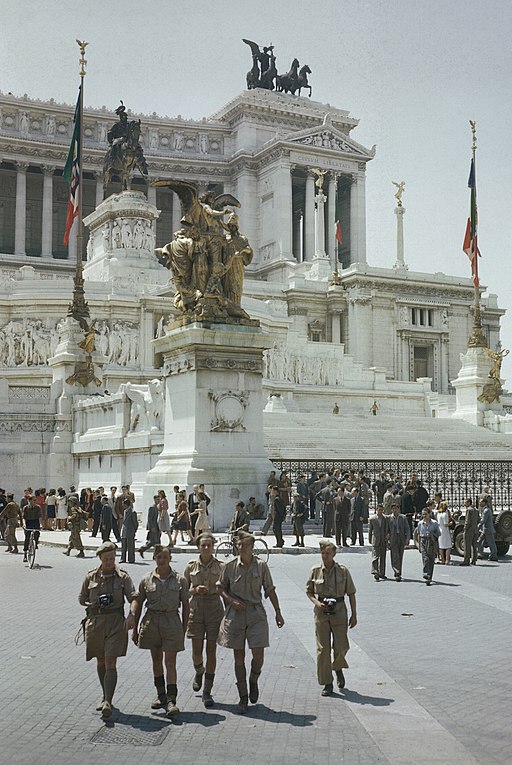
Allied troops enter Rome, May 1944
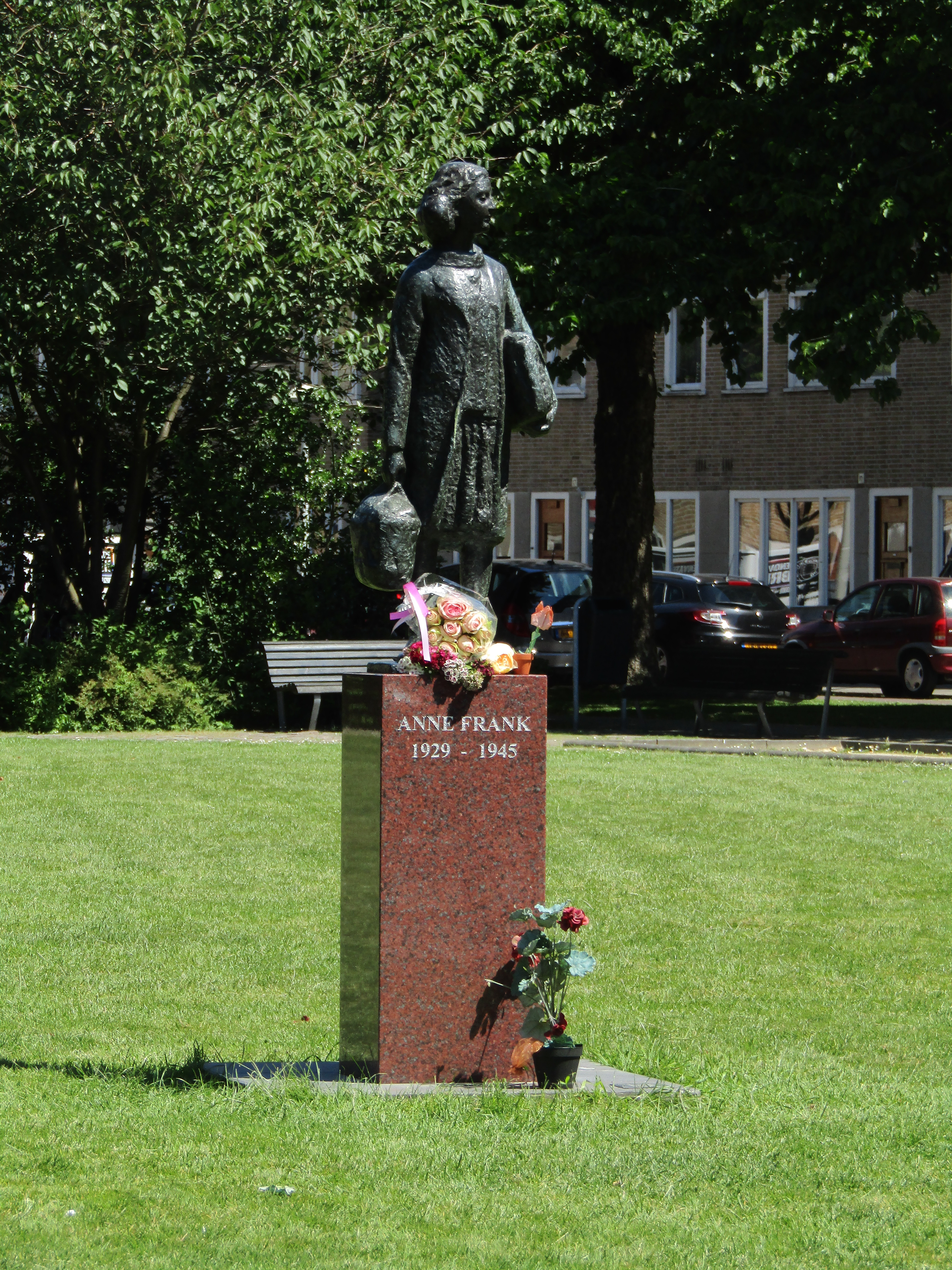
I simply can’t build my hopes on a foundation of confusion, misery and death… I think… peace and tranquillity will return again.
Anne Frank (b. Frankfurt, 12 June 1929- d. Bergen Belsen, c. February 1945)
More Information:
See BBC archives for news reports and and footage of the liberation of Auschwitz.
Holocaust Memorial Day Trust
More information about World Holocaust Day is available at the Holocaust Memorial Day Trust.
Images of Jewish Ghetto, Castel Sant’Angelo and Trevi Fountain copyright A. Meredith
 novelromealone