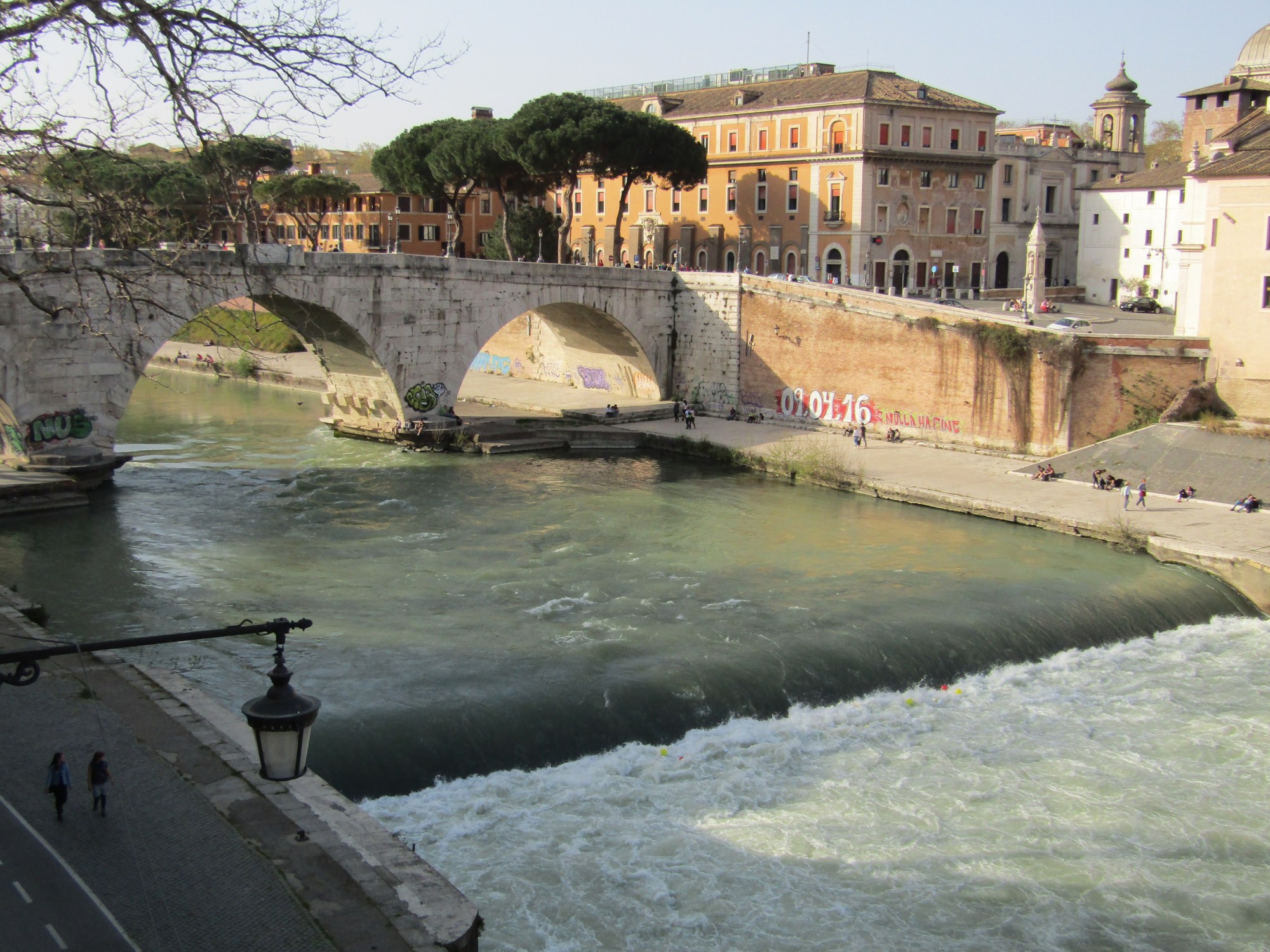
The inhabitants of the Spanish town of Almonacid de la Cuba in Aragon have been saved from the current flooding disaster hitting Spain because of a dam built by the Romans 2,000 years, ago – beating modern flood defences in their effectiveness. The Roman dam managed to divert tons of floodwaters coursing down the mountainside away from the town.
Rome began its dam building projects during the early part of the Imperial period (31 BC – AD 476) – and dams were used mainly for water collection and conservation.
In Rome itself, the Subiaco dams – which were begun by Emperor Nero (54–68 AD) – supplied water to the Anio Novus aqueduct, which was the main aqueduct that supplied Rome.
The Romans also built dams across the Roman Empire – many of which survive in countries like Spain, where 72 Roman dams were built, such as the Proserpina dam at Mérid, Extremadura, where the Romans also built an impressive amphitheatre, which still exists.
The Romans were expert engineers and builders, inventing their own cement – called tufo – which has preserved many of the Roman buildings and structures that exist today. The cement was made using volcanic rock that is plentiful around the city of Rome. However, many Roman dams were constructed using gravity masonry construction, in which the pressure of the blocks used forms a permanent structure to withstand any force behind it. The Romans also constructed dams by building an embankment and filling the space behind it with rocks or earth.
The Romans were also known for building some of the highest dams at the time – and until the later Middle Ages, which lasted from 1300 to 1500. Much of the Romans’ dam construction took place in arid parts of the Empire, such as Africa and Asia. The ability of the Romans to construct dams for water collection and preservation was innovatory, as the conservation of water was not common during the Roman Empire.
The Ancient Romans also introduced new designs of dam, including the arch dam, buttress dam, anti-gravity dam and multiple-arch buttress dam. From the list alone, it is easy to discern how the Romans developed their ideas in construction and improved on their construction designs by combining designs.
The Romans’ anti-gravity Subiaco (formerly Sublaqueum) dams are located at Lazio, where Emperor Nero built the dams to use as lakes he could enjoy for leisure activities. Sublaqueum means “beneath water”.
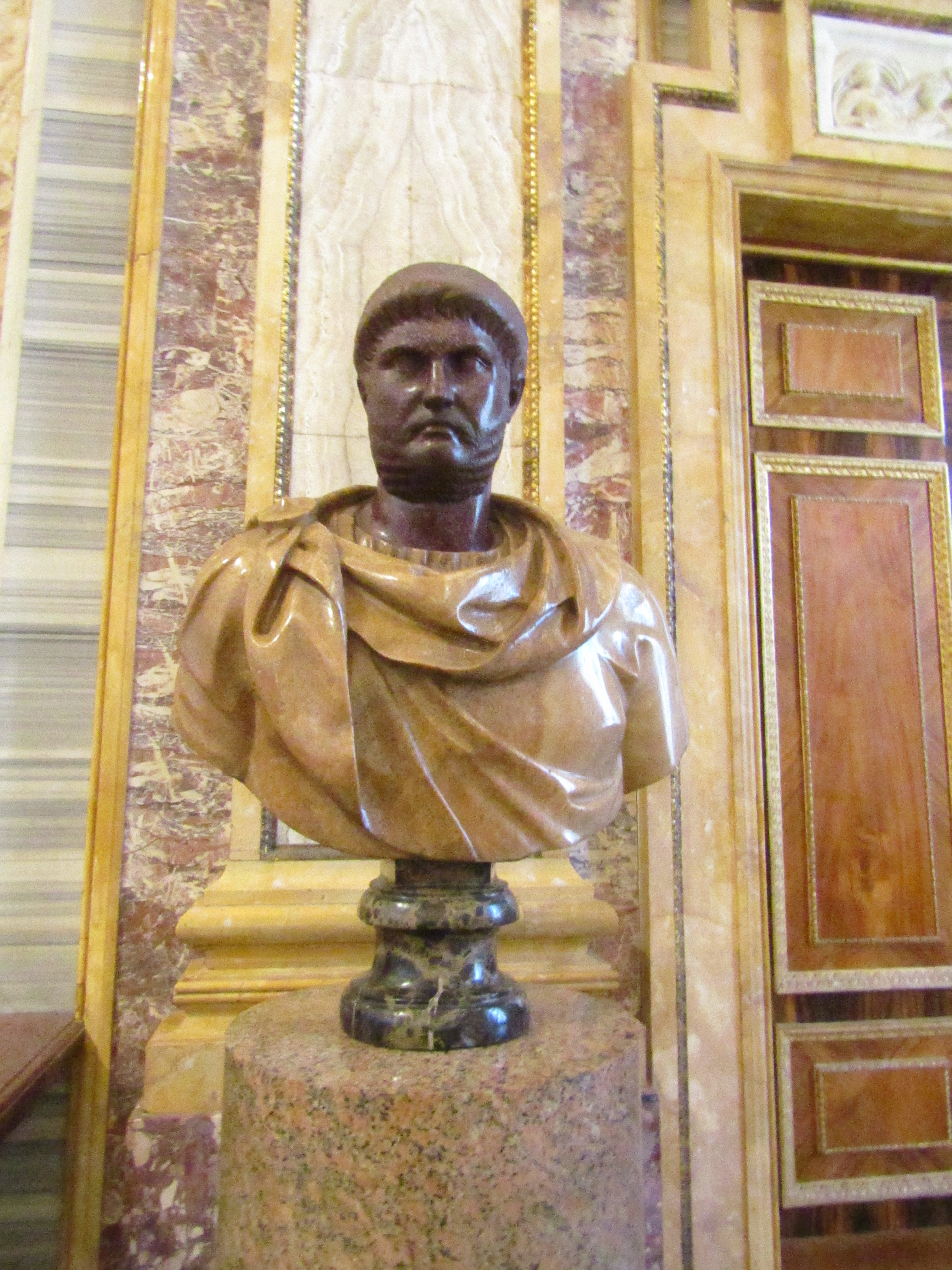
Successive emperors used the area for leisure activities, until Emperor Trajan (AD 98-117) built the Anio Novus aqueduct and dammed the lakes to use them as water reservoirs to supply Rome with water.
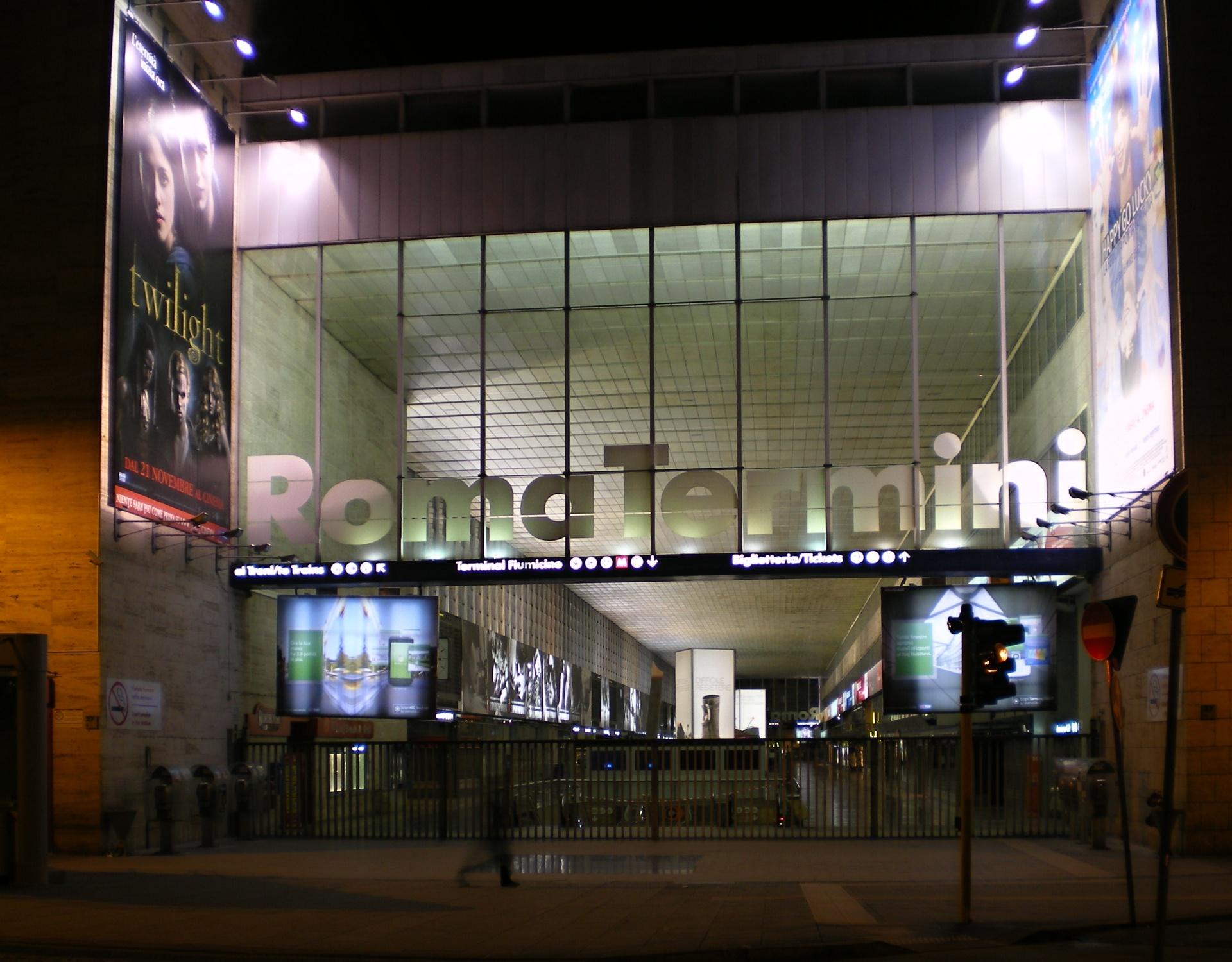
Lazio is still a popular coastline holiday destination to Romans – the area and its towns can easily be reached by train from Rome’s Termini station.
Buon viaggio!
 novelromealone