
The month of January – Ianuarius – in Ancient Rome was named after the two-faced god Janus, who was regarded as the god of all beginnings. January was the first month of the year for Ancient Romans after the year 153 BC, when the calendar was reorganised. New Year in Ancient Rome was known as the Calendae Ianuariae, as a result.

Previously March 15 had been the start of a new year, because that was when the consuls started their term of office. March 15 is also known as the Ides of March and was the date that Julius Caesar was murdered on in 44 BC. Never before in history has there been a more two-faced day.
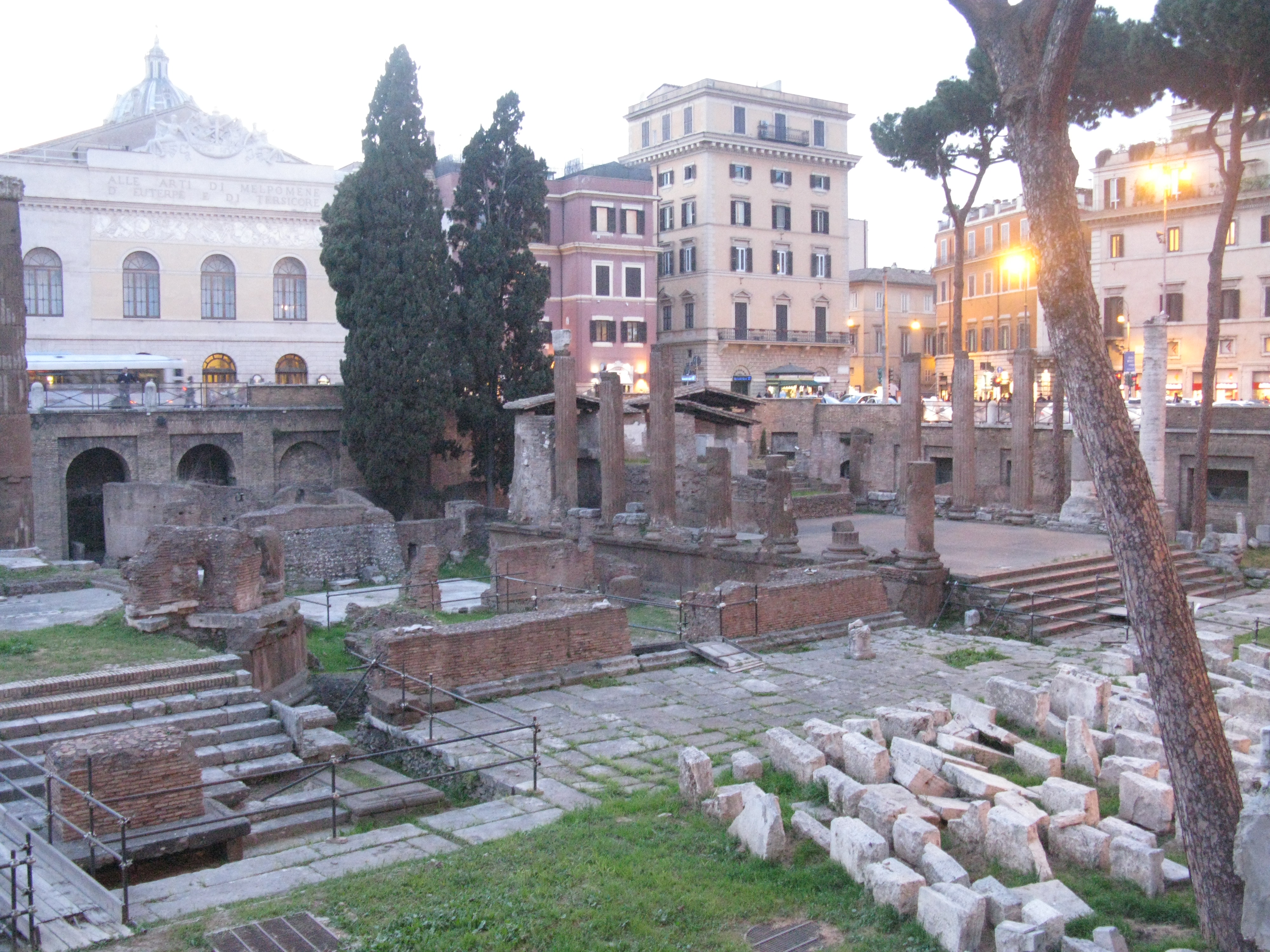
New Year Ancient Roman beliefs
The month of January in Ancient Rome was a time for festivals – all Ancient Romans loved a good festival, with feasting and wine once the important rituals of the festival had been observed. Ordinary Romans would have their own customs – emperors might perform sacrifices and seek for omens of good luck for their reign. When Caligula sacrificed a bull at New Year and found it did not have a liver, it was considered not a lucky omen for him. When New Yea fell on certain days of the week, it might also portend the death of someone important, or even a child.
Janus was designated the god for January because one face pointed towards the previous year – while the other pointed towards the forthcoming year. Ancient Romans were incredibly superstitious and the first day of a new year was extremely significant – if it passed happily and successfully, they believed it was a good omen for the rest of the year to come.
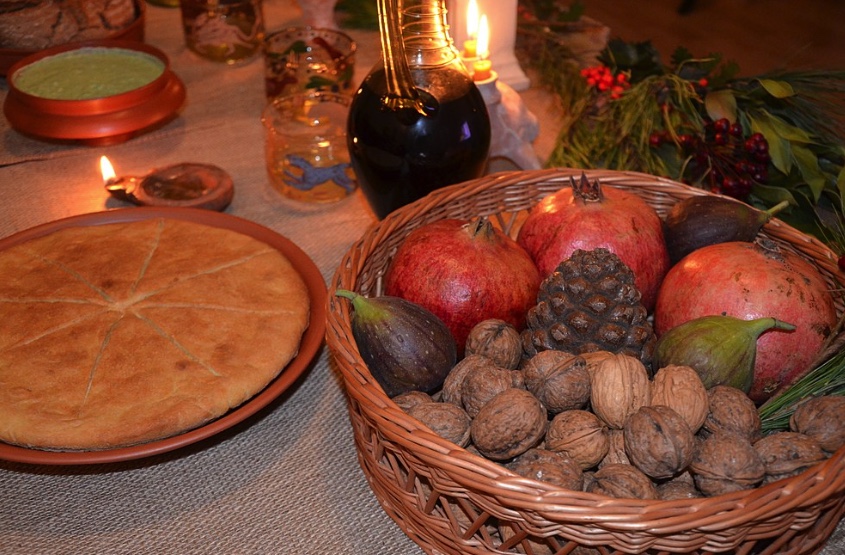
New Year gifts in Ancient Rome
As we do now, Ancient Romans might greet each other warmly on New Year’s Day – a handshake or a kiss for close friends or family. They also gave each other gifts – fairly simple ones by our standards, including decorative twigs and laurel leaves.
Food was also on the menu on New Year’s Day – sweets at New Year were customary and these might take the form of fruits like figs and honey. Small amounts of money might also be given as a gift between family members.
There were also gifts given by public officials to those who worked for them – and just as we do now, teachers might receive a gift from a pupil or student; and even those who cared for the sick might be given a small gift by someone their cared for. It is easy to see how customs that started in Ancient Rome have been handed down to us – it is estimated around one-quarter of the global population has Roman ancestry and the influences of Ancient Rome may still influence our own customs and behaviour.
At Home in Ancient Rome at New Year
It will be no surprise, then, to learn that the Romans, like us, decorated their homes at New Year, just as we do over the festive period. They would hang green branches and lamps around their houses to make it look festive. Family and friends would be invited to join them for a feast – and just like us, they would play games, which might involve dice carved from stone.

Any arguments at New Year were avoided, however – the aim was to make the New Year as pleasant and harmonious as possible to ensure good luck for the rest of the year. Just like us, some Ancient Romans might spend their New Year quietly with their families, hoping for a peaceful year ahead. Some might practice divination and fortune telling, to see what the future year held for them. On the streets of Rome today – often along the main shopping street, Via del Corso – you will find Tarot card readers waiting to predict your future all year round!

Drinking in the New Year in Ancient Rome
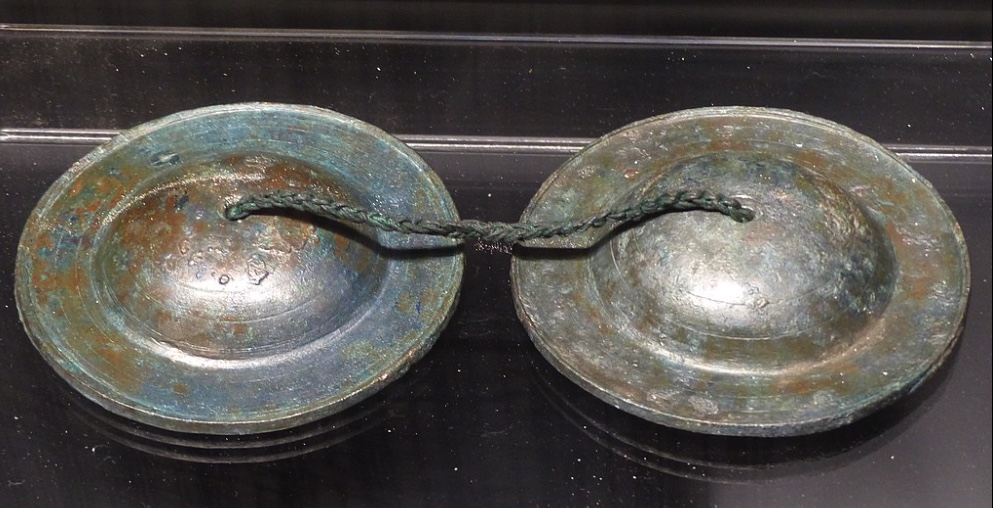
The New Year In Ancient Rome was also welcomed in in public places such as inns. It was not considered respectable to be seen to be drunk in the streets in Ancient Rome, but in the drinking houses at New Year, things might get boisterous as the wine flowed. Musicians and buskers would be out on the streets – and passersby, just like today, would be asked for money. Rome today still has some of the best buskers in the world – from opera singers to jazz musicians and those who play ancient instruments. The standard is always highly professional and it is one of the joys of the city even now.
Waiting for spring – New Year in Ancient Rome
January was often a quiet time in Ancient Rome and especially for agricultural workers – the months of January and February signified a lull in agricultural work until the spring came and the sowing season began again. The weather could be cold and wet – and Ancient Romans would wrap up in woollen togas and cloaks, just as we do. Whether they went to the January sales or not is debatable. It was considered bad luck for market day to fall on New Year’s Day in Ancient Rome. So perhaps they saved their money instead for a new linen toga for spring!
Bona fortuna in 2025!
More info:
Read my blog Cook with the British Museum and bake a 2,000-year-old loaf from Herculaneum – you can bake bread like a Roman this January!
Learn about some of the Roman instruments performers might have used at New Year at HelloMusicTheory.com
 novelromealone