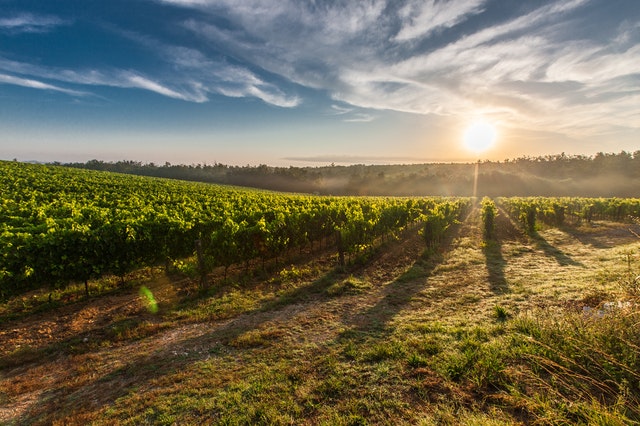
Rome was built on farming – the Eternal City’s origins were a small agricultural settlement before the days of the Republic.
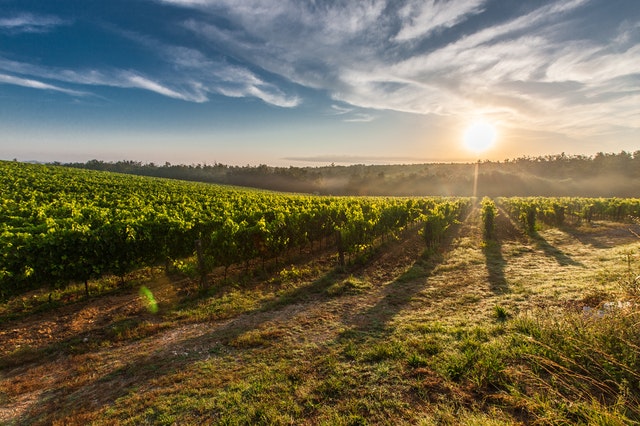
Bread and circuses in Ancient Rome
During the days of the empire, the Crimea supplied Greek states with grain, while the Roman Empire considered Africa and Sicily its breadbaskets – and later, Egypt.
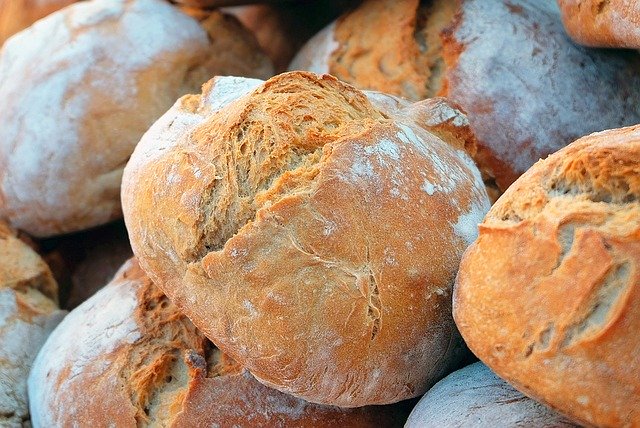
Ancient Romans continued to farm throughout the history of Rome – many of the festivals were based round the agricultural calendar, including the recent festival Feriae Sementivae, which marked the beginning of the sowing season in the months of February and March.
It is estimated that crops like wheat, barley and millet provided up to 80 per cent of the Ancient Roman diet – bread ovens were common and there were even what we wold call “takeaway’ stands on the streets, where bread snacks were sold to passersby. But grain products were especially important to the poor in Ancient Rome – those who could not afford to eat bread products ate a form of porridge made from grains, known as puls.
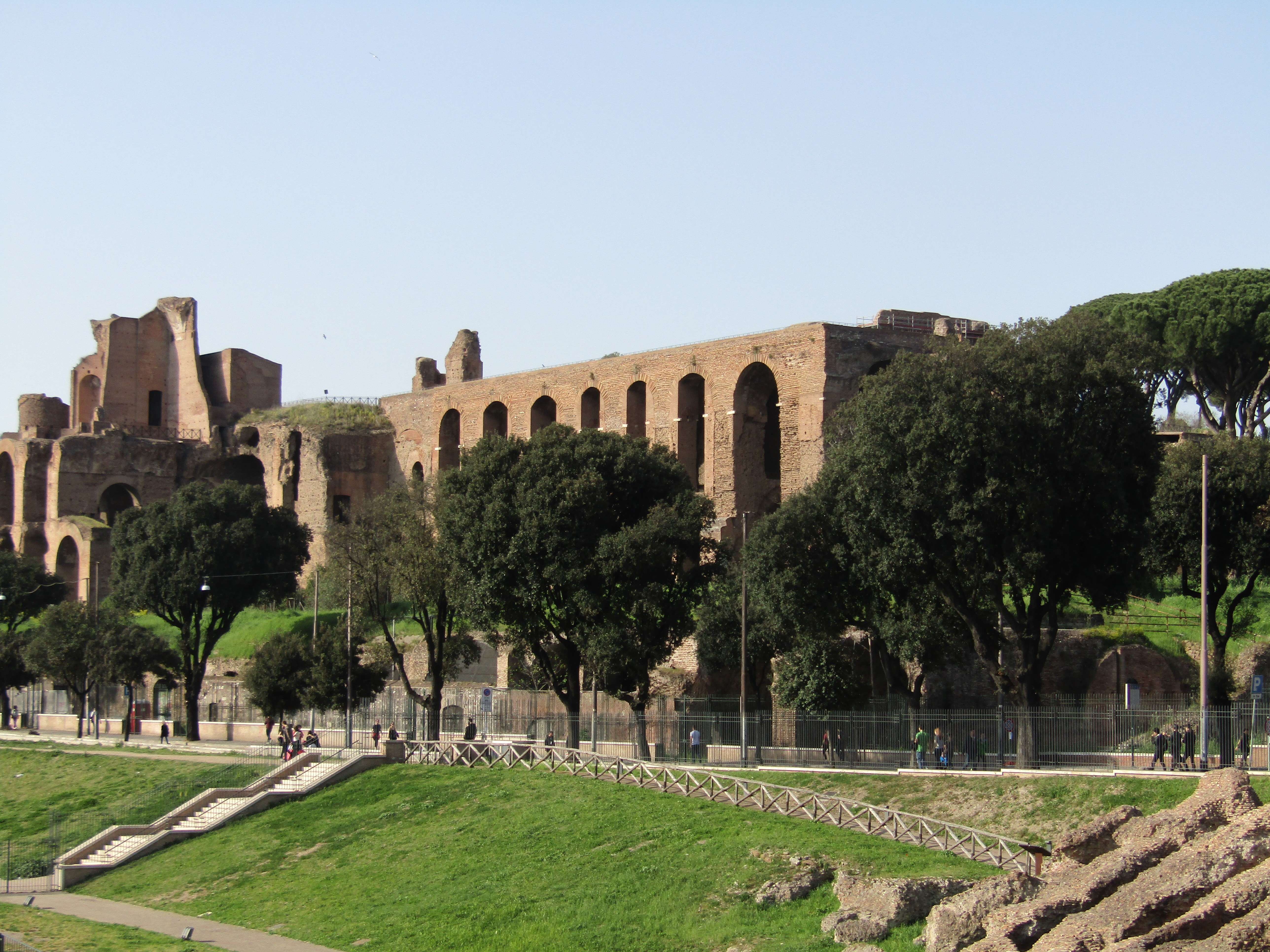
It is thought that a bread oven might even have been responsible for the great fire of Rome on 18July 64 AD – grain products were so important to the Roman diet that bread ovens were kept burning from dusk to dawn and often operated in very confined spaces within cities. The fire broke out in the merchant area around the Circus Maximus and spread quickly. Basing the diet of the populace on grain came with its risks.
You can see images of the Circus Maximus and the merchant centre as it would have been in Ancient Romans times at mariamilani.com.
Mediterranean diet in Ancient Rome
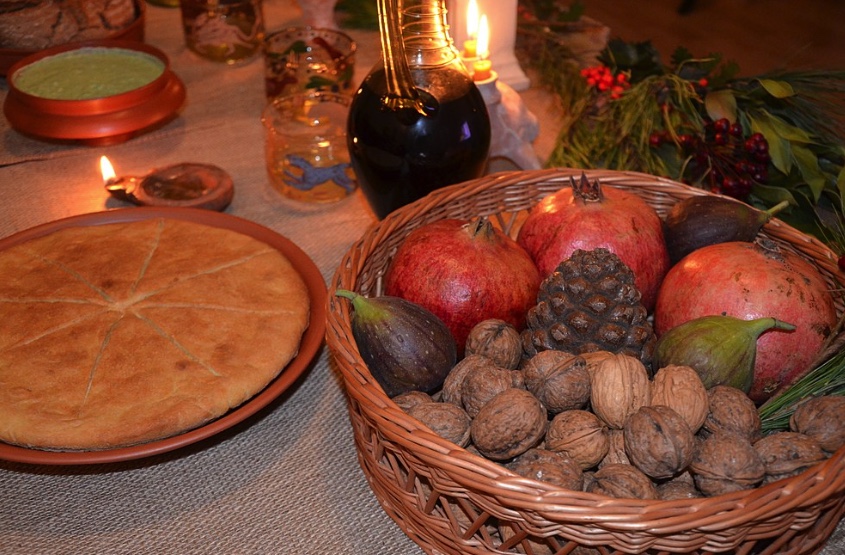
As well as grain products, Ancient Romans were pioneers of the Mediterranean diet – they grew fruit and vegetable crops, including olives and grapes for wine – as well as beans, broad beans, peas and legumes, which were grown across the Mediterranean. Ancient Romans would also have grown chickpeas, lentils, and something called bitter vetch (Lathyrus linifolius) – also known as health pea. It would have been used as a medicine as well as food and was used as a painkiller, anti-inflammatory drug and to treat rheumatoid conditions.
Garlic and Onions in Ancient Rome
Garlic and onions were also staples of the Roman diet – fields of onions were planted in the countries Ancient Rome conquered, thought to represent Rome’s power over its conquered dominions. Onions could also be used as currency, to pay bills and even rent.
Before battle, Roman armies ate garlic and onions, which were thought to give them strength – both have anti-bacterial and antiseptic properties, although garlic can cause excessive bleeding after surgery, it has been found, so there was a risk injured Roman soldiers might have bled excessively.
Onions were also thought to have anti-viral properties – onions were once strung up around doorways and windows to prevent viral illnesses like chickenpox and colds from infecting homes. Onions are thought to absorb the virus and prevent it from spreading – my Romany great grandmother swore by this. My mother claims no one in the family ever caught a cold – and she never caught chickenpox while staying with her great grandmother during a breakout, so perhaps there is some truth in the myth! These days, onion soup is frequently recommended if you have a cold – they contain antioxidants, including quercetin, which is thought to help with congestion, if not a cure!
Livestock farming in Ancient Roman
Ancient Romans also had large farms that bred cattle for milk, cheese, meat – and also the hides, to make shoes and garments. There were also sheep and goats on farms – sheep and goat cheese were popular additions to the Roman diet and the hides of both sheep and goats were prized for making shoes and clothes.

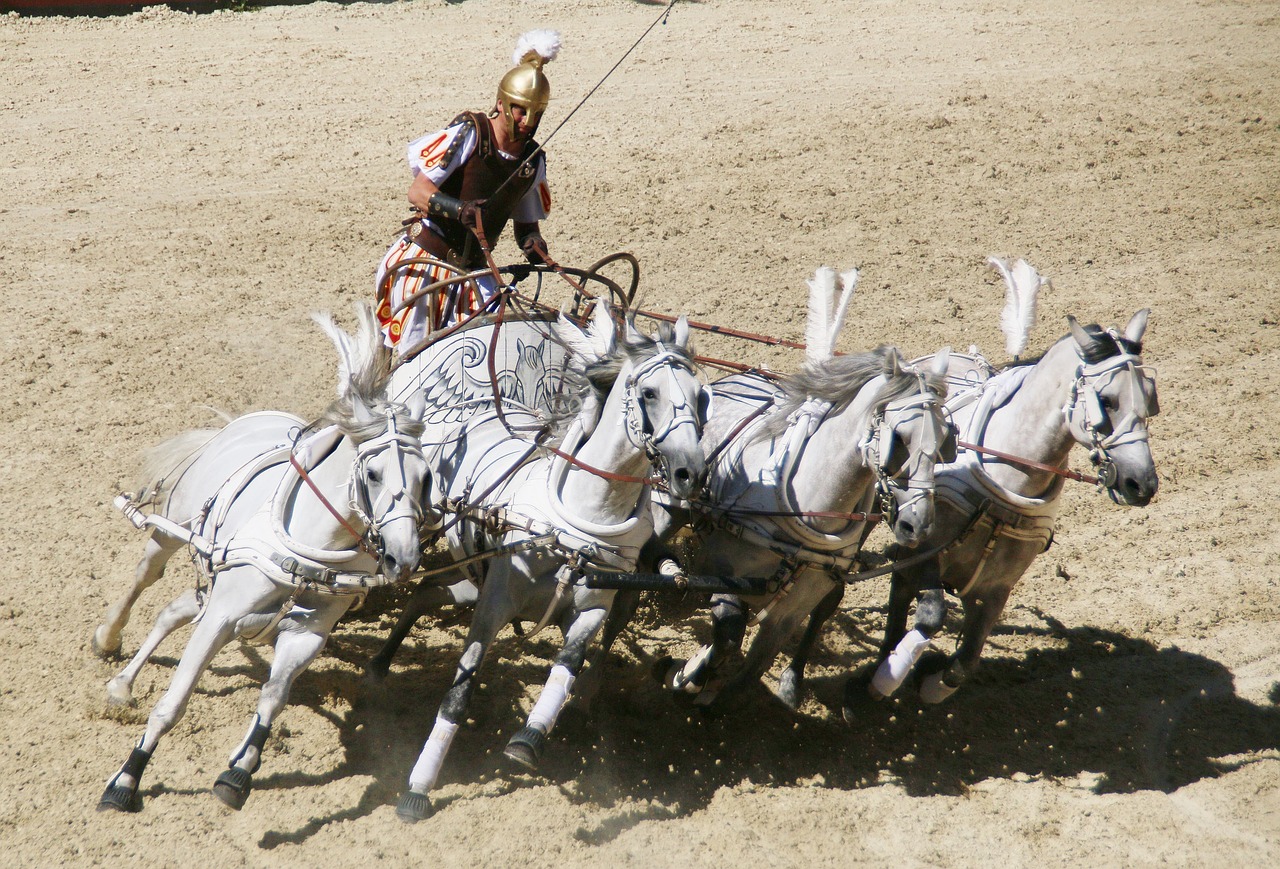
Farmers would also have used donkeys and mules to literally carry out the donkey work on farms and transport their goods to market. Horses were mainly kept for breeding racehorses and also for military work.
The Ancient Romans also fished extensively, using the same methods as the Ancient Greeks – hooks for sea fishing and a whole range of fishing tackle, including nets and harpoons. There is fascinating article about fishing in Ancient Rome online at lecomptoirgeneral.com.
Ancient Romans kept chickens and ate eggs – chickens were also used in magic rituals.
The spread of farming across the Roman Empire
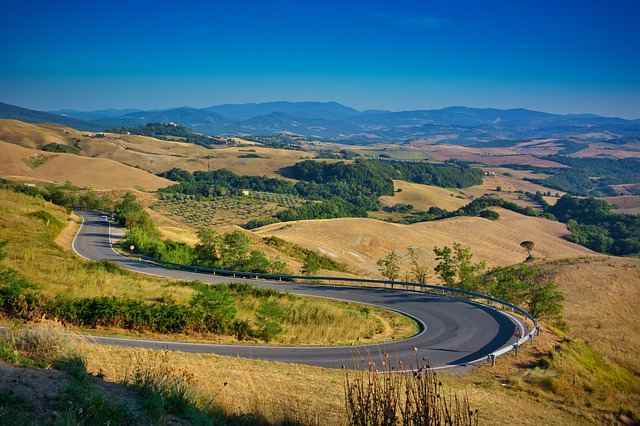
The land round Rome was especially fertile – the level of the River Tiber was much higher in Ancient Rome and there was regular rainfall and even floods. During the days of the Roman Empire, Rome expanded its agricultural productivity across all the nations of the empire – land was especially fertile in the Crimea, as well as Tunis and, of course, Britannia.
Farms had mainly used slave workers, but as the urban landscape spread and more people left for the cities, the number of landowning farmers dwindled. Farms also grew in size to serve an increasingly larger city population – it was not quite like the factory farming that exists today, but there was a shift from the landowning farmer who ploughed his land himself and used slave labour to help him, to the tenant farmer serving the state and wealthy landowners who reaped the profits of farming but did not carry out any work on the farm, themselves.
Large agricultural estates during the empire were known as Latifundia – and were similar to plantations. The owner of the estate might have their own manager to oversee the business and both would have their own sometimes impressive homes on the estate – certainly the owner of the farmland would have lived in some luxury.
butFarmers in Ancient Rome paid their taxes to the state in both money and farming produce – but most of the produce from the agricultural estate was transported to cities.
Ancient Rome – a blueprint for modern farming
By moving farming production across the Roman Empire to Gaul, the Balkans, Africa and the Rhine Valley, the Ancient Romans created the blueprint for modern farming today – the small landowning farmer was replaced by farming at an industrial level, with the landowner appointing a manager and a slave workforce carrying out the actual farming work, while the landowner reaped the profits. Workers therefore came from all parts of the empire and conquered lands.
The average slave farm worker earned between 3 and 5 sesterces per day during the Roman Empire – the average Roman soldier earned around 2 sesterces per day – around 1,800 denarii per annum. But whereas the military was allowed to supplement its income by looting, farm workers’ wages were set.
The poet Virgil wrote:
“How blessed beyond all blessings are farmers, if they but knew their happiness! Far from the clash of arms, the moist earth brings forth an easy living for them.”
It probably did not appear to be so blessed to the actual farm workers – and eventually the changing face of society in Ancient Rome meant that farmers lost their power and position in Roman society, with profits being concentrated in the hands of a landowning elite. Farming in Ancient Rome became more industrialised – and the model of importing and exporting produce and even farm workers rather than concentrating on domestic production of crops and the workforce changed – and remains the same today across many countries.
But farming not only shaped the landscape Rome – especially round fertile regions like the Po Valley – it also shaped the culture of Ancient Rome, with its varied diet, feasting, takeaway stalls and marketplaces, which most of us recognise today.
If you find a field of onions somewhere, you just might have Ancient Rome and its farmers to thank. But we also have today’s farmers to thank for working hard to provide the world with food and in difficult economic conditions, when many are beaten down on price for their products by major corporations. The globalisation of food production has led to a climate of unfair competitiveness for farmers – not to mention irrational food wastage.
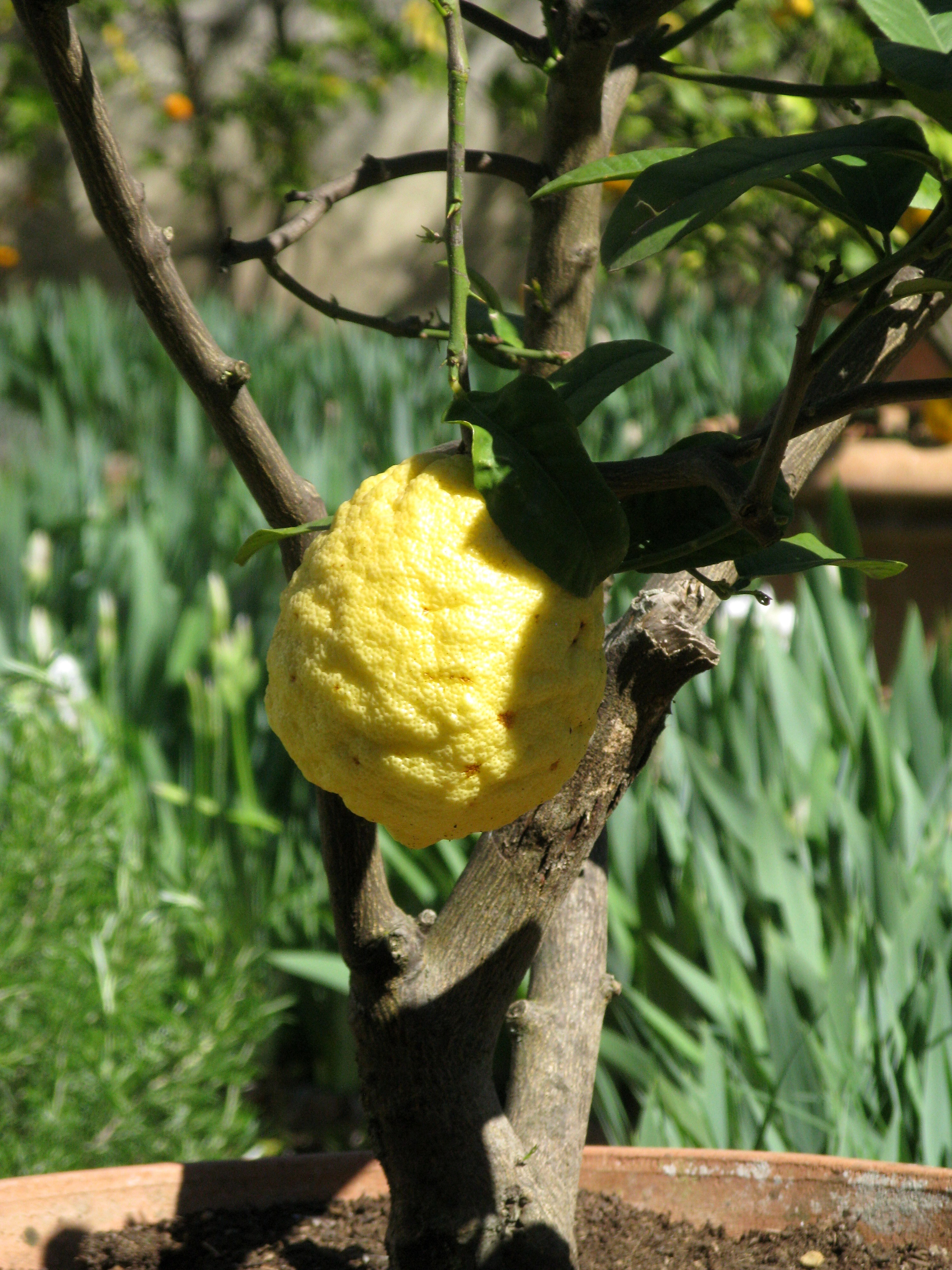
Did the Ancient Romans reject a wonky green bean or a misshapen lemon, as we do today? I doubt it.
 novelromealone