A team at the University of Cambridge has been working on a project involving the excavation of the “lost” city of Interamna Lirenas since 2010 – and has now revealed that the town outside Rome was actually a bustling city with a population of around 2,000 people.
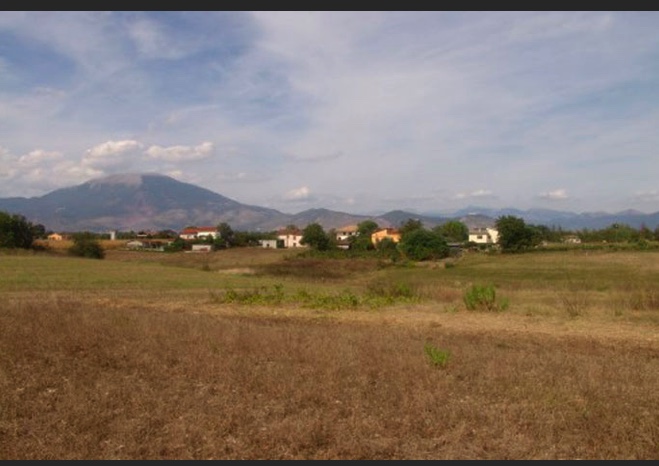
Interamna Lirenas is situated between Rome and Naples, about 50 miles outside Rome. The team has been mapping the city, so far locating where the marketplace, theatre and other major building were located. However, initial excavation in the 1980s suggested the site was a small settlement – further work now suggests that the site was a city, which was abandoned at the beginning of the 6th century AD due to threat of invasion. It was thought, however, that the city was used as a reclamation source for building materials after its demise. The site was buried beneath agricultural land but mapping reveals that it covered an area of around 25 hectares.
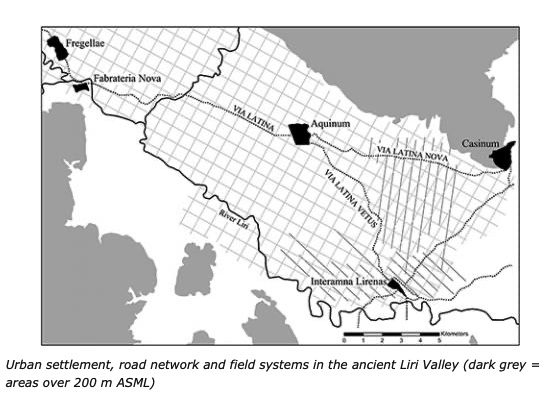
The Interamna Lirenas Project at the University of Cambridge says the city was founded in 312 BC during the Roman Republic – and was independent from Rome itself, but had political and military alliances with it. It was abandoned for 1,500 years and is seen as a “lost relic” of the Roman Empire.
The study of Interamna Lirenas spanning 13 years by Dr Alessandro Launaro at the University of Cambridge’s Classics Faculty has now been published. He said that the city was a thriving trading hub that enjoyed relationships with Rome and towns in between.
‘Interamna Lirenas was strategically located between a river and a major road, and it was a thriving node in the regional urban network,’ added Dr Launaro.
It was also thought the town had the support of Julius Caesar during a period of unrest before he was assassinated in 44 BC.
‘It would have been valuable as he sought to consolidate support across Italy during the civil wars.’
You can read more about the project at the University of Cambridge website.
Read a news report about Interamna Lirenas and the publication of the new study at the Daily Mail website.
Map: University of Cambridge
Featured image: WikiArcheology

