
Ancient Rome’s longest-serving emperor is Augustus – who is also the empire’s first emperor following the death of Julius Caesar in 44BC. His reign began on 16 January in 27BC – and he reigned for a whopping 40 years, 7 months and 3 days.
Augustus was born Octavian and he was the great nephew of Julius Caesar, who adopted him and named him as his successor. Octavian changed his name to Augustus when he succeeded Caesar after his assassination. He did not become emperor immediately, but reigned from 16 January 27 BC – 19 August AD 14.
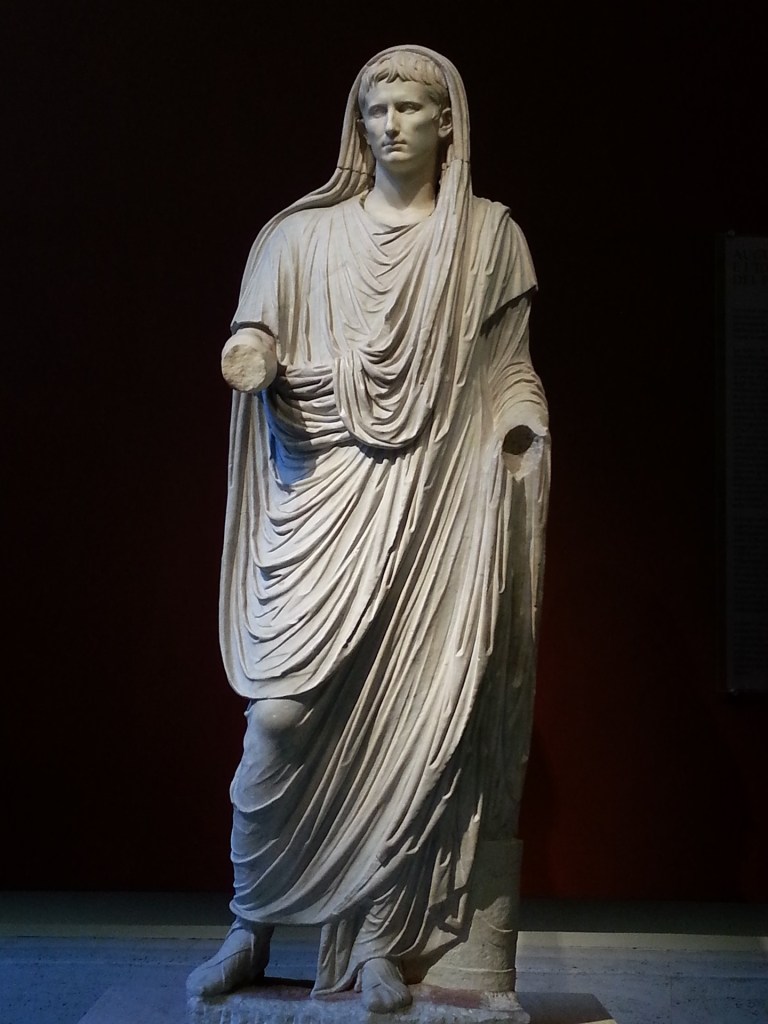
August is named in memory of Emperor Augustus. In both the Julian and Gregorian calendars, it is the eighth month of the year. The name came about because Rome was supposed to have been founded under the “august augury” of King Romulus and the name Augustus had the meaning “magnificent” or “majestic”, so was appropriate for an emperor. Royal females took the name “Augusta”. Rulers after the fall of the Roman Empire continued to take the name Augustus, including the Holy Roman Emperor, Charlemagne, who was called serenissimus Augustus.
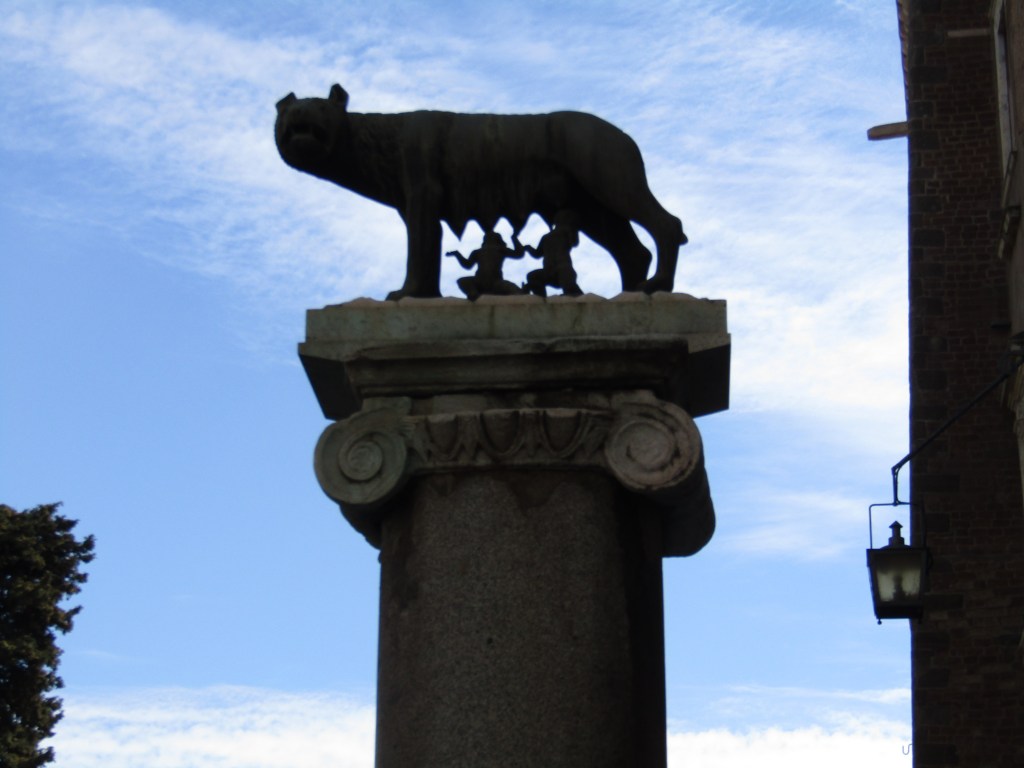
Augustus is known for introducing a period of stability during the Roman Empire, following the turmoil that followed the assassination of Julius Caesar. He was actually the founder of the Roman Empire – Caesar was never an emperor as during his reign, as Rome was a republic. Augustus founded the Roman Principate, which was the first stage of the empire, lasting from the start of his reign in 27 BC to 284 AD. The Principate was called so because Augustus governed as a single ruler, known as a princeps.
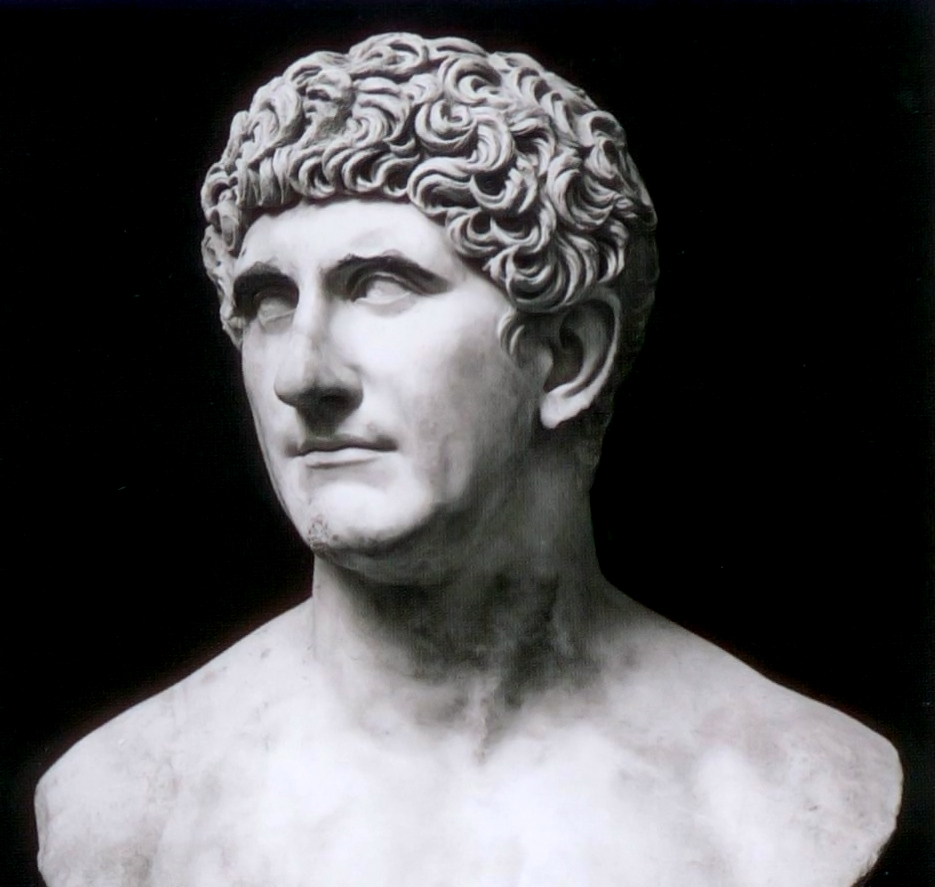
Augustus joined forces with Mark Antony (14 January 83 BC – 1 August 30 BC) and Caesar’s friend and ally, Marcus Lepidus (c 89 BC – c 13 BC), to bring down those who had assassinated Caesar.
Caesar’s only son by Cleopatra, Caesarion, was Pharoah of Egypt – until he was killed by Augustus in 30 BC at the age of 17, following the death of his mother. Augustus was instrumental in defeating the alliance of Mark Antony and Cleopatra, leading to their deaths. Egypt became part of the Roman Empire, along with Dalmatia, parts of Africa and Hispania. Only German lands proved unconquerable during his reign.

& Louvre-Lens)
He made peace with the Parthians – ancient Iranians – to secure the Silk Route trade for Rome and Augustus also established the feared Praetorian Guard in Rome.
Augustus also reformed taxes in the empire and a communication system using a new network of roads, with a courier system introduced. He was a moderniser as well as a military man – and much of what was established in the Roman Empire influences our modern way of life. The courier system we have today owes much to the Romans, so you can thank Augustus for your pizza when it arrives at your door!

It is thought that Augustus died of natural causes at the age of 75, although there were rumours that his wife had a hand in his demise. Livia’s son Tiberius was adopted by Augustus and named as his successor and it was thought she might have poisoned him so that her son could succeed.

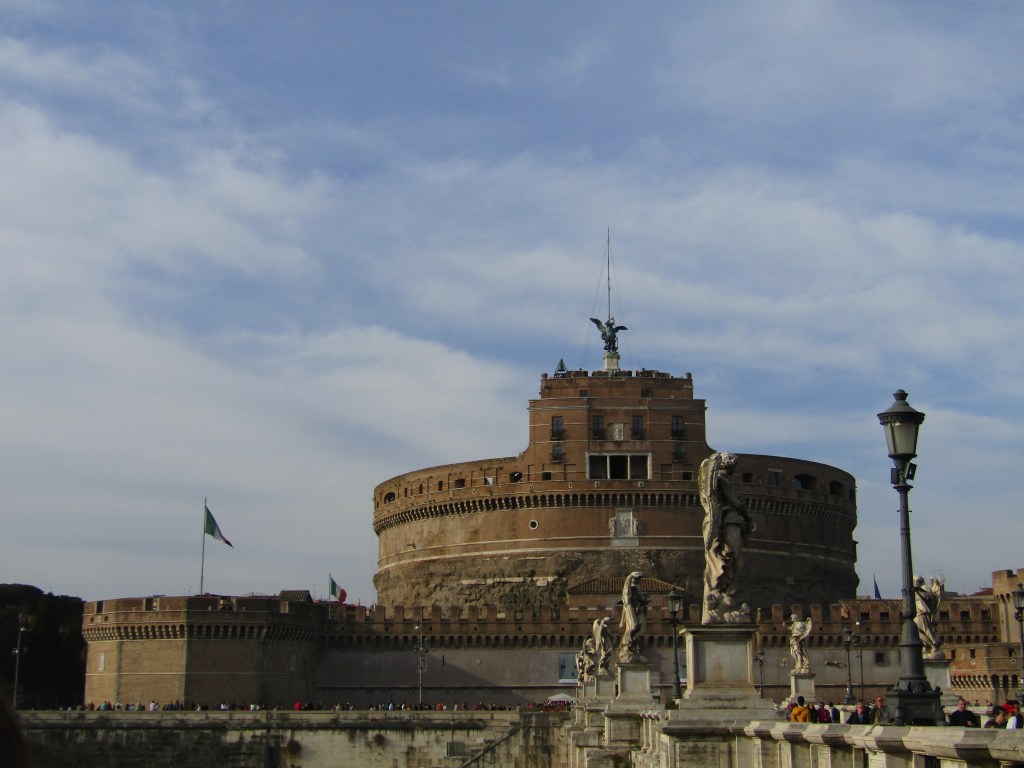
Augustus was known for instigating two centuries of peace in the empire – known as the Pax Romana (“pax” means “peace” in Latin). The Ara Pacis Augustae (The Altar of Peace of Augustus) in Rome is a lasting monument to his reign. It is now situated on the Lungotevere opposite Castel Sant’Angelo and just in front of the Mausoleum of Augustus, so is convenient to visit if you are off to the Vatican and Castel Sant’Angelo.
It is a lovely, cool building with WCs in the basement and a modern fountain outside that you can actually sit by with a cooling drink. It is now illegal to sit by the ancient fountains in Rome because of the risk of erosion, so we really do have a lot to thank Augustus for!
Buon viaggio!
 novelromealone
Nice post about one of the greats in Roman history. I’ll never forget the dramatization on the old BBC series “I, Claudius” of Livia rubbing poison on the fruit trees in the garden to murder Augustus so her son could take his place. They seemed convinced and it is interesting to read again that Augustus himself was concerned about this. But I guess we’ll never know…
LikeLike
Thank you for your comment. I enjoy visiting the house on the Palatine Hill – and imagining…
LikeLiked by 1 person