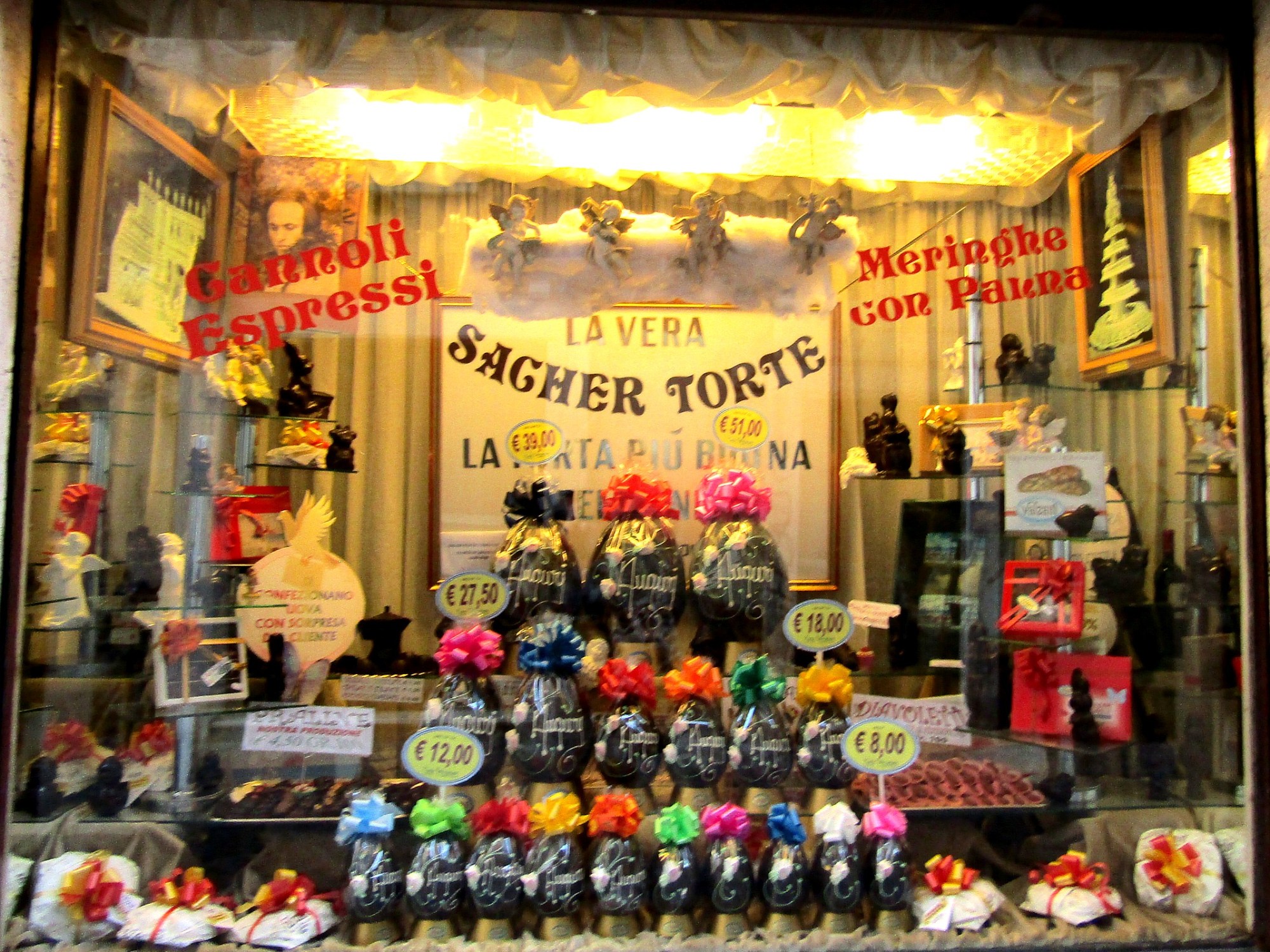
Easter is an important time of the year in Rome with the Catholic religion taking centre stage.
This year Easter takes place from 3-6 April, which is early in the month. The festival is calculated according to the first Sunday following the first full moon on or after 21 March. This date is the Church’s fixed date for the vern al equinox – the Spring equinox.
The equinox is when the Sun is directly above the Earth’s equator, which causes almost equal days and nights across the globe.
Easter represents the resurrection of Jesus Christ in the doctrine of Christianity. Jesus was born in 1AD and died at the age of 33, and Ancient Rome did come to mark Easter, although the pagan festivals are more fully documented.
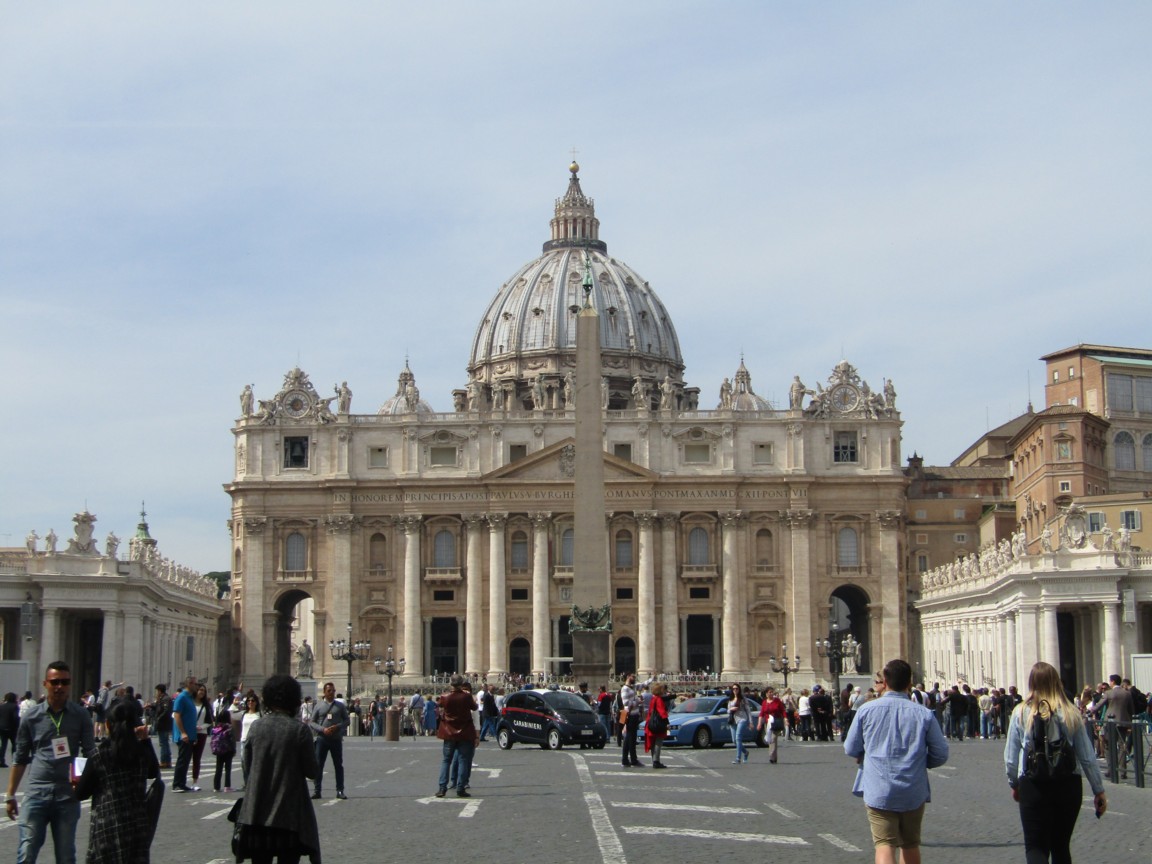
Today, Easter is one of the most important celebrations in Rome – the Pope takes mass in St Peter’s and there is a procession to the Colosseum on Good Friday. It is one of the busiest times of the year in Rome, with tourists and pilgrim mingling. The attractions mainly are open, although the Vatican Museums close on Easter Sunday and Monday.
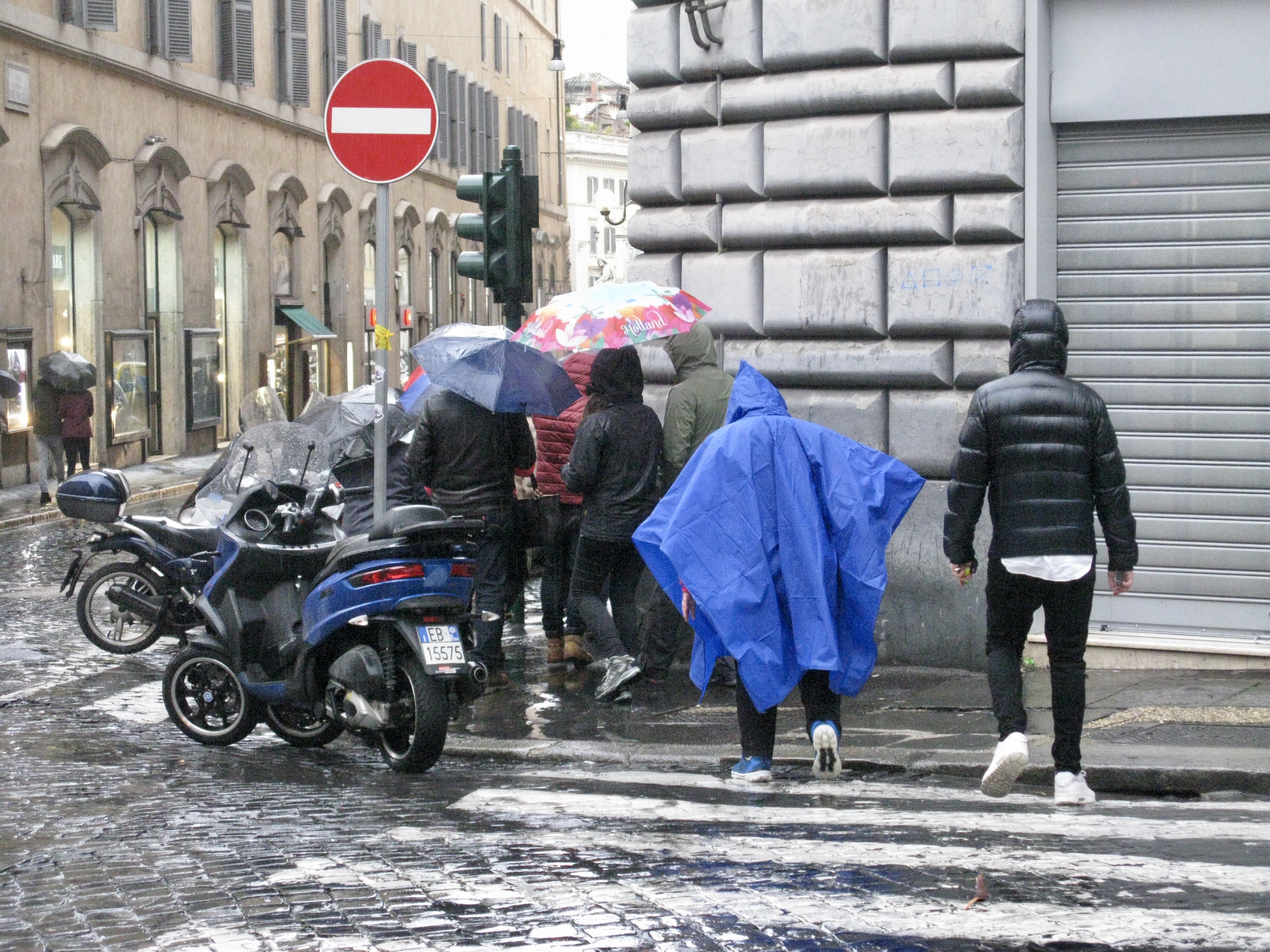
Spring in Rome can be warm, but also tends to be rainy with cool or even cold evenings. Warm jumpers and raincoats should be packed – but with lighter clothes for daytime.
Rome is decorated for Easter – the shops are full of Easter gifts and chocolate eggs and there is a very festive atmosphere alongside the more serious religious ceremonies.
For Ancient Romans, Easter was also a movable feast according to the calendar. These movable celebrations were called conceptivae. The festivals with set dates in Ancient Rome were known as stativae – and religious-based holidays were called feriae.
Easter in Rome flourished under Emperor Constantine, who introduced Christianity to the Roman Empire, after he carried the symbol of a cross into battle against Maxentius at the Battle of the Milvian Bridge – a crucial crossing over the River Tiber – and won.
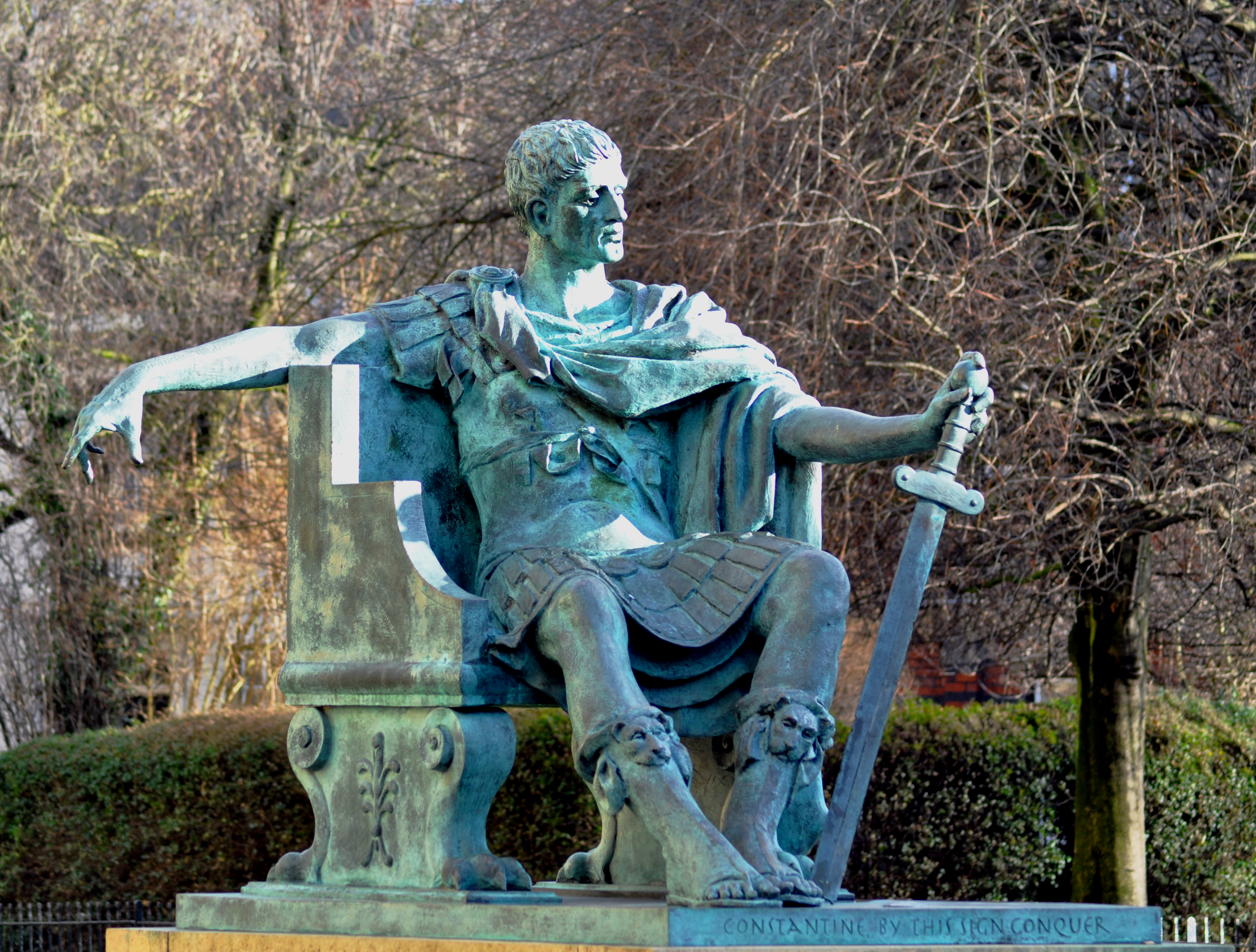
Statue of Emperor Constantine at York Minister, York, England
It is believed that Easter was a pagan festival originally and what we know as Easter originated as a Saxon word Eastra, the goddess of spring. However, it is not documented how the original festival began.
In Ancient Rome, the goddess of spring is Flora – also the goddess of fertility and flowers. The name Flora is Latin for flower and she represented as a goddess the earth’s renewal after winter.
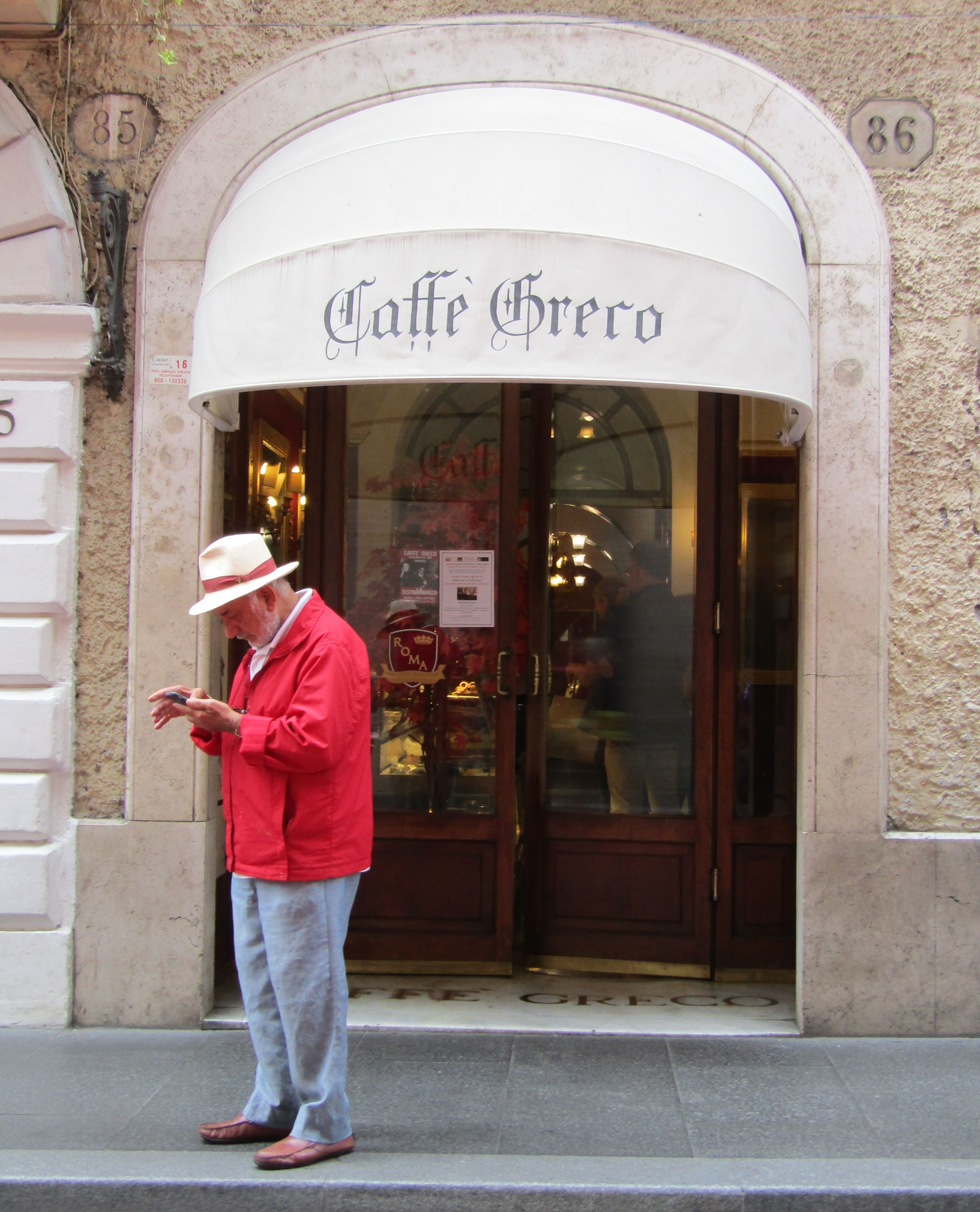
chilly spring days here
It is well worth visiting Rome in Spring – the sites are much quieter and you can still enjoy warm weather and may even find some bargain tariffs on offer at hotels.
Buon viaggio!
 novelromealone