
If you love the Eternal City or are planning a visit, gen up on some history – and essential facts to help you negotiate Rome – with Professor Alice Roberts.
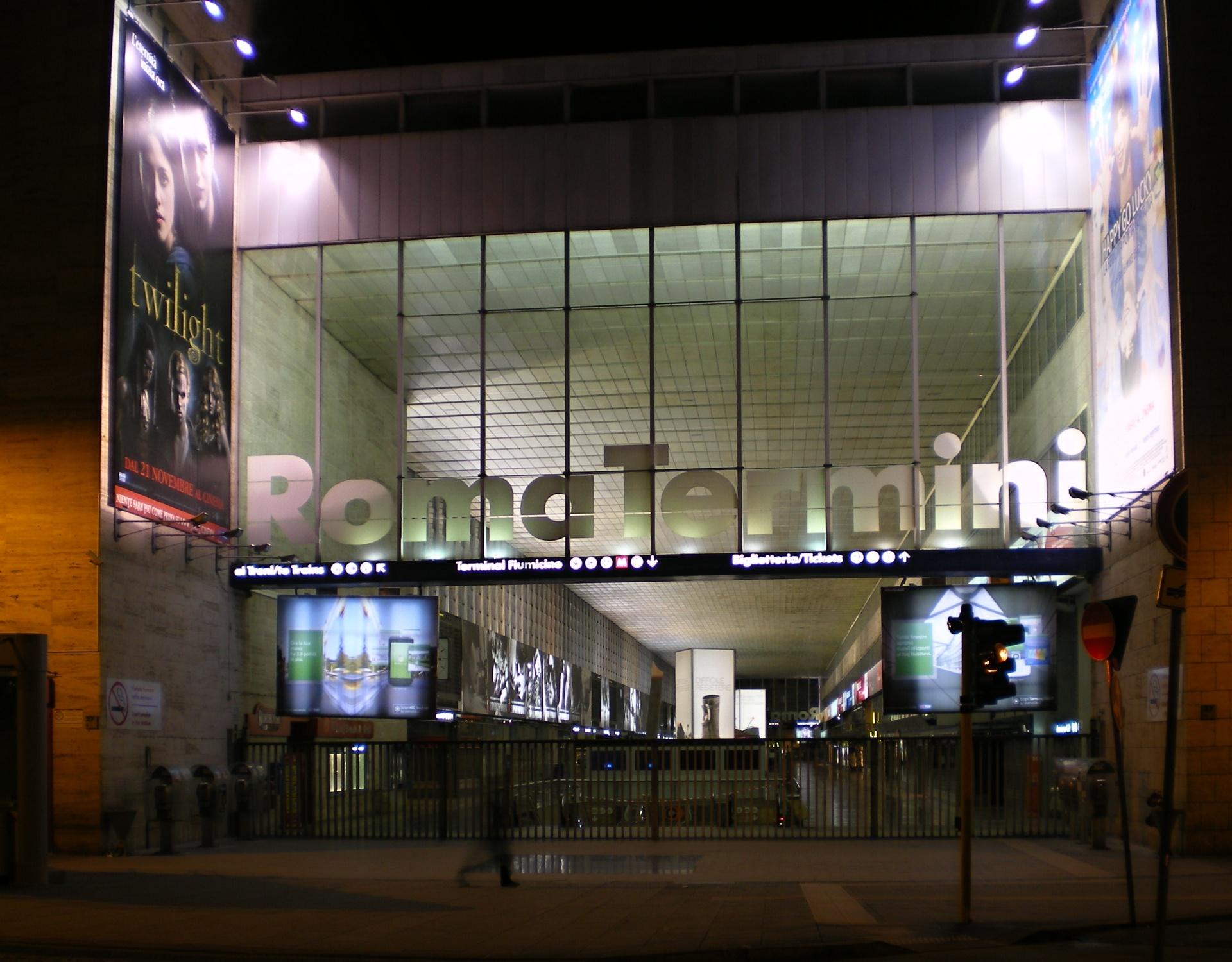
Disembark from the train at Rome’s Termini Station (https://www.italiarail.com/train-station/rome-termini-train-station) – Rome boasts some of the oldest and largest railway infrastructures in Europe, with the first three stations opened by Pope Pius 1X in 1863.
The famous ItaliaRail will transport you around the city – and across Italy – fearlessly, regardless of the weather. Not even a monsoon in Mantua stopped my Trenitalia (https://www.trenitalia.com/en.html) train to Verona – I cruised from Zurich Station to the town of Lugano in the province of Ticino (on the Italian/Swiss border) this year with ease, despite pounding rain in Zurich and the sky looking like the apocalypse all the way through the two-and-a-half house journey. Nothing stops a train in Italy – and you can travel in comfort in first class, which is like being in first class on a plane; or play the tourist cheek by jowl with locals and enjoy surprisingly cheap train fares across Italy and beyond.Prof Roberts meets up with a guide in a picturesque backstreet near the Forum, not having visited Rome for 25 years and then only briefly – surprisingly, for a professor of history. So we are seeing Rome through a beginner’s eyes, but thankfully a local guide is on hand to help.
You will learn why Trajan’s column is possibly the first example of social media – and most importantly, how to refresh yourself at one of the 2,500 public drinking fountains across Rome without straining your back or locking lips with an ancient water spout.

Then we are back on the train to the Via Appia – the ceremonial route that starts in the Forum and extends into the Roman countryside.
Bravely, we tackle the bumpy Via Appia on a bicycle – or Prof Roberts does – and stop at the extensive estate of Emperor Maxentius (c. 283 – 28 October 312), who never got to see his estate finished, as his successor, Emperor Constantine clobbered him in battle and set off to Rome to take over, completing what is now known as Constantine’s/Maxentius’s basilica, by building all over one started by Maxentius. Apparently, according to a certain genealogy website, Constantine is my many times great grandfather. Mea culpa. I apologise to the descendants of Maxentius. We now have better manners, though fewer monuments commemorating u – but we all have to accept we are now here alive and hopefully well because, at some point, one of our ancestors won a battle or was on the winning side of one. Maybe that is why no one gets on these days.

Prof Roberts is back on her bicycle and discovers part of the Appian Way now lies beneath a local McDonald’s and can be seen through a glass skylight in the floor as you eat your burger.
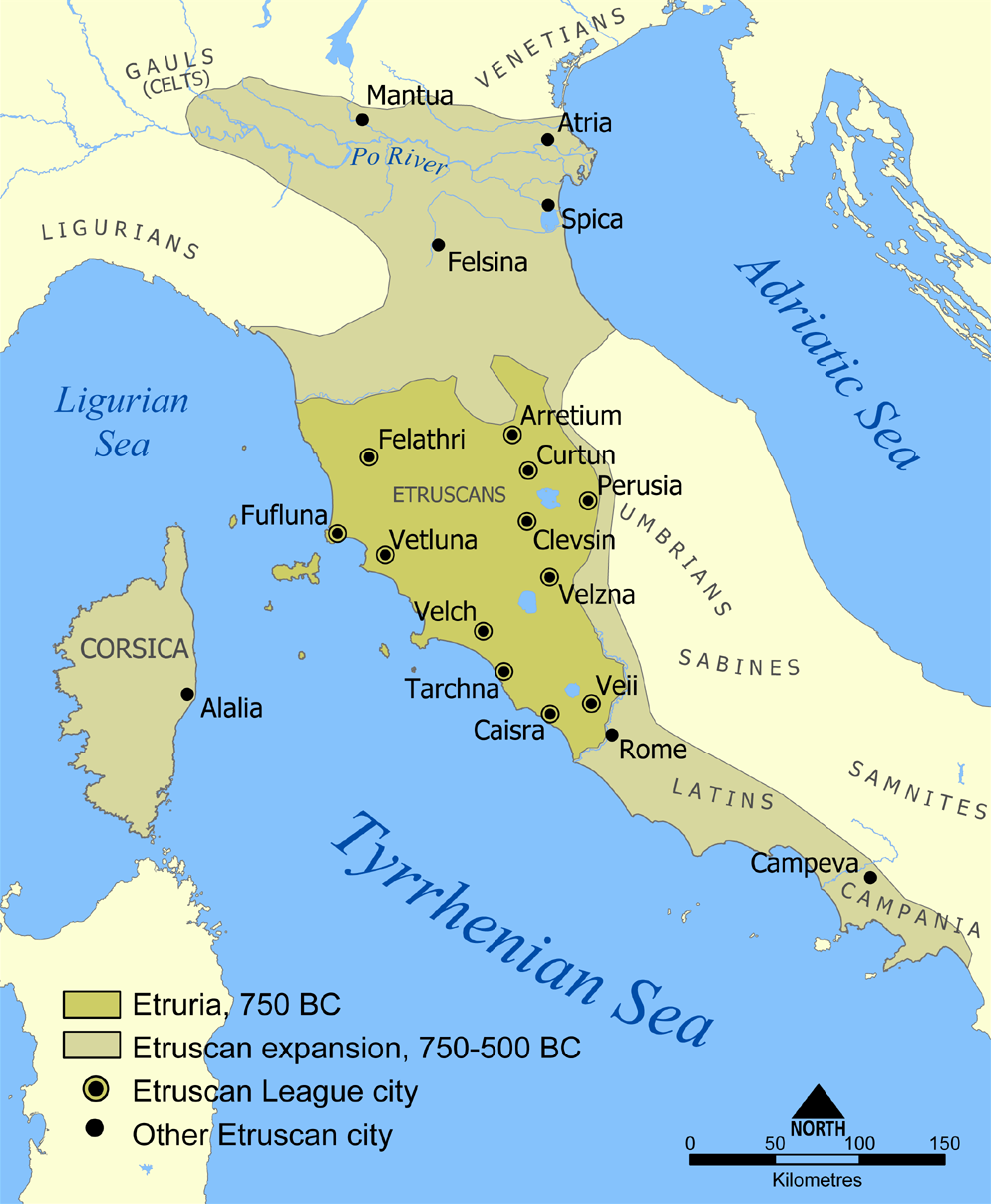
Then we are off on an archeological dig with one of Prof Roberts’ friends, which will highlight the influence of the Etruscan Empire on the Roman Empire and what Italy might have been like pre-Rome. Rome was once an agricultural area of farmers, before it became Rome after Romulus and Remus fell out mightily and more murder and mayhem occurred.
The Etruscans built their settlement 40 miles outside Rome in the late 7th century BC – and it seems they, too, believed that this life continues after life on earth, with tombs being excavated to try and find out exactly who the Etruscans were and where they came from. All the usual suspects are present – pottery, jewellery, lavishly ordained homes, tombs and mud. The culture is linked to Greek culture, but DNA from mud is being used to try and establish where the Etruscans actually came from.
Around 25% of the human race is currently thought to have descended from the Romans, given the reach of the empire across Europe, Africa and the Middle East. But could we also be a little bit Etruscan, too?
Apart from discovering that you, too, could have embarrassingly violent ancestors, you will learn more about Rome and the Roman empire that will help inform your visit to Rome and beyond. Rome is full of the most stunning sights – but somehow it is also terribly familiar. It is a city you immediately feel comfortable in. If you have never visited Rome – or are an ardent fan – this documentary is a nice, chatty journey with a series of experts and an enthusiastic guide in the form of Prof Roberts wobbling about on her bicycle and drinking from a water fountain like an amateur.
The grand finale is in Florence – city of the great Duomo and the Renaissance. Florence is great for shopping, too.
There are six episodes of Prof Roberts travelling round Italy by train – Rome itself is Episode 3. Sign into Channel 4 and enjoy! (https://www.channel4.com/programmes/roman-empire-by-train-with-alice-roberts)
Buon viaggio!
Featured image: Channel 4
Trajan’s Column and the Basilica of Maxentius/Constantine – copyright A. Meredith

