
September is not only the month that was dedicated to the Roman god of fire, Vulcan, in Ancient Rome – it was also a time for fun and games!
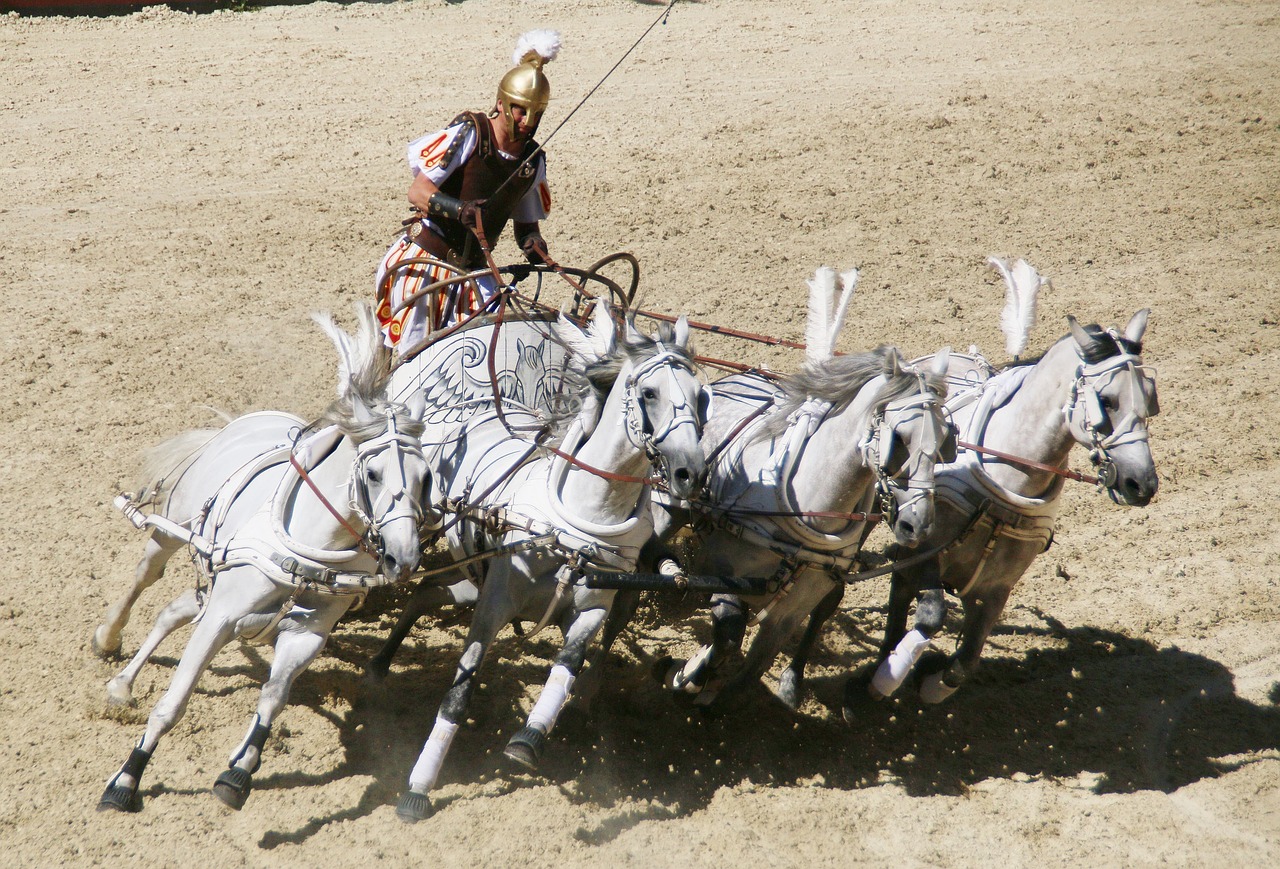
From 12-14 September the original Ludi Romani (Roman Games) took place, until the Ancient Romans decided they were having such a good time, the festival was extended to 5-19 September, with an extra day added on 4 September to mark the untimely passing of Julius Caesar. It is thought public games first took place in 249 BC.

The games were not necessarily an annual event – often they were to mark a military campaign, such as the Punic Wars. The games were religious and dedicated to the God Jupiter – a procession from the Temple dedicated to Jupiter (on 13 September 509 BC) kicked off the events, which were held at the Circus Maximus by the Colosseum.
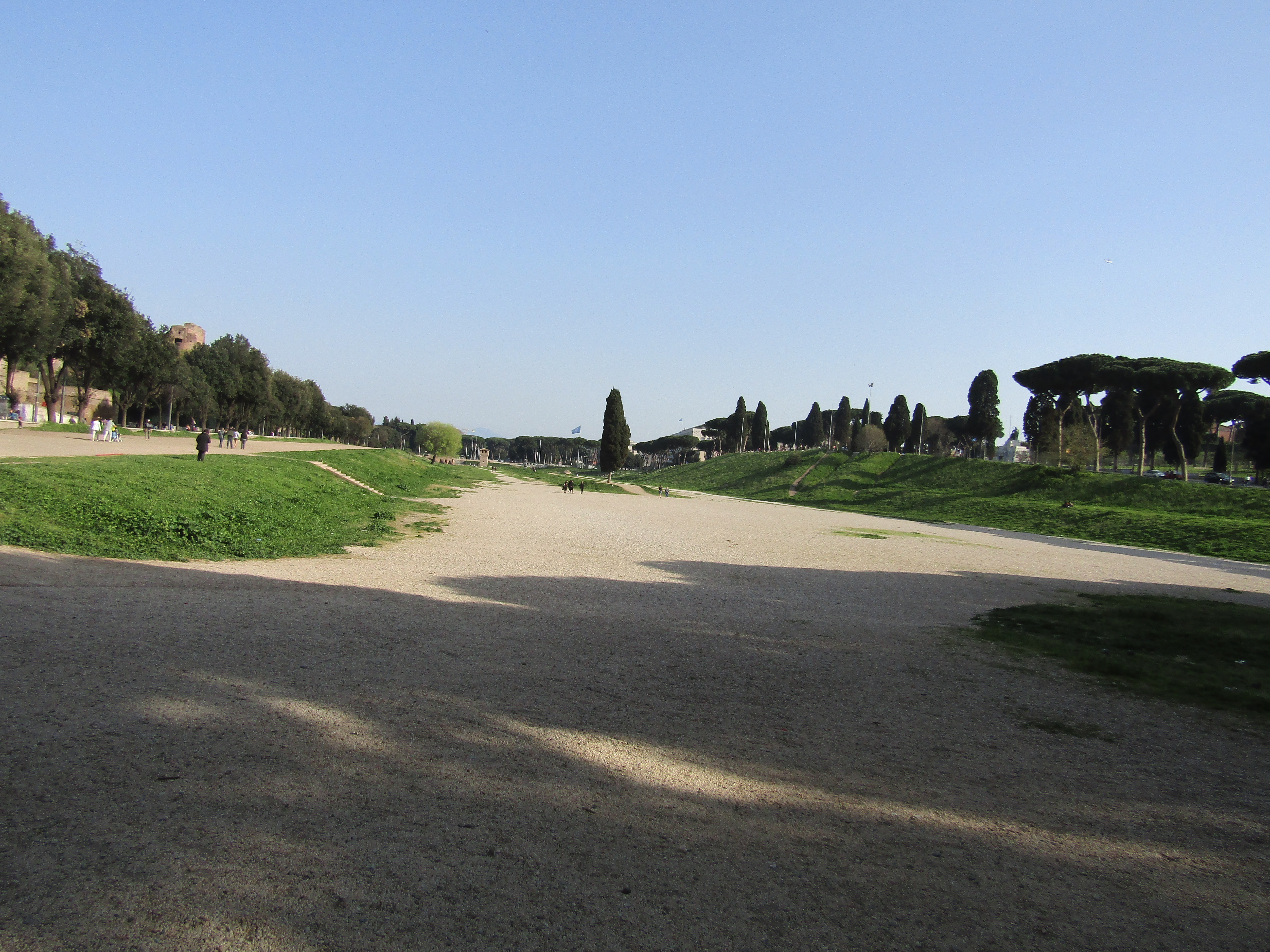
Some emperors decided to hold the games to mark other events – in AD 47, Claudius decided to mark the eight-hundredth birthday of Rome with public games. Public games helped boost morale and social cohesion – they were as much a public relations strategy as a religious festival.
Ancient Romans enjoyed ball games like harpastum – two teams of between 12 and 14 players would endeavour to keep a hard ball in the air for as long as possible, passing it from one to the other in order to keep it on their side of the pitch. It was also known as “small ball game” and it has been likened to American football.

Events at the Ludi Romani
So what else could you expect if attending the Ludi Romani? Well, chariot races, naturally – along with displays of equine skills, some gloves-off boxing tournaments, animal hunts – and the chance to shake a leg in the dancing events.
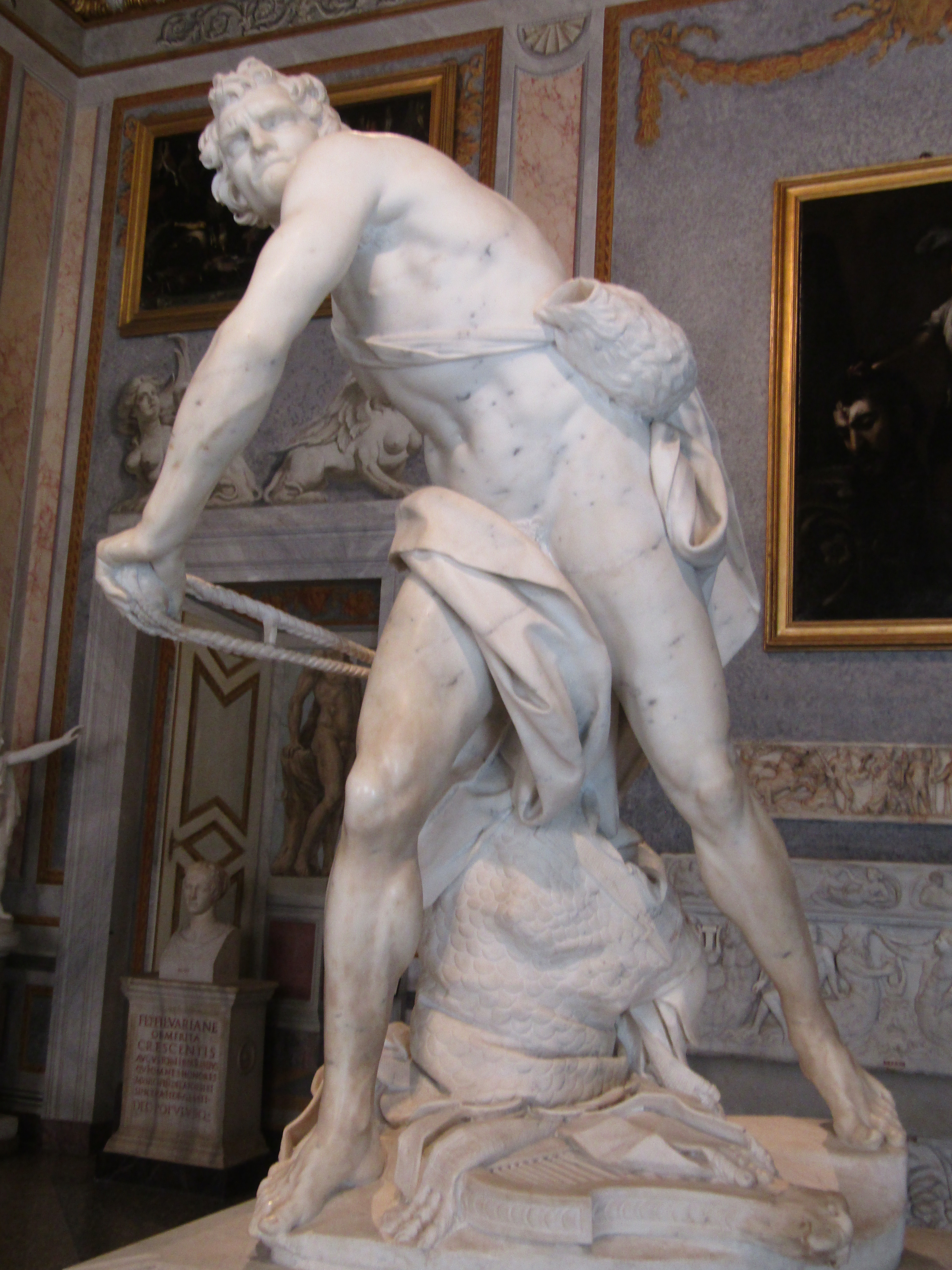
It is also thought that drama was also introduced for the first time during the Ludi Romani, with plays based on the drama of Ancient Greece.
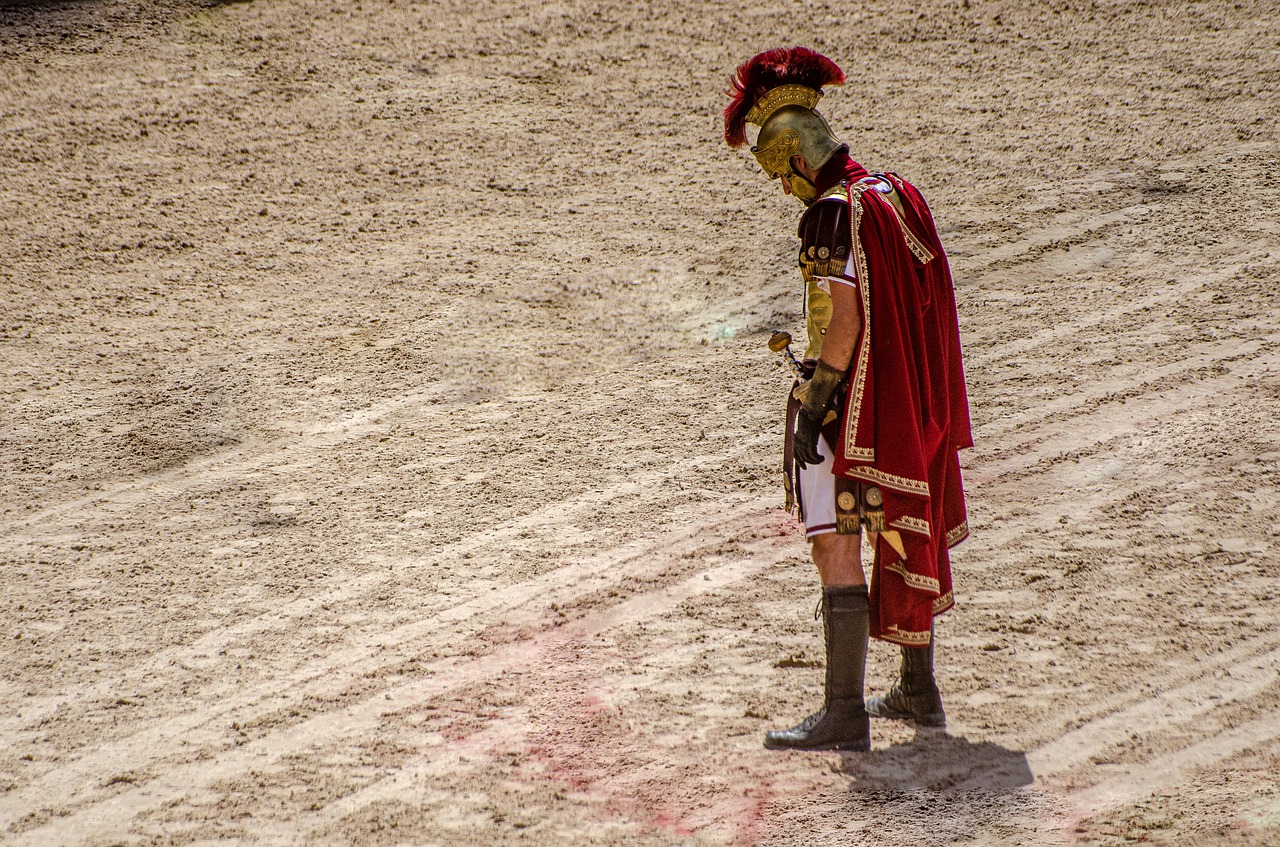
The games were for the people and there were different kinds of games – Ludi Plebeian (games for the plebs), Ludi Saeculares (Secular Games). From time to time new games were introduced – such as the Ludi Ceriales in 202 BC, dedicated to the goddess Ceres.
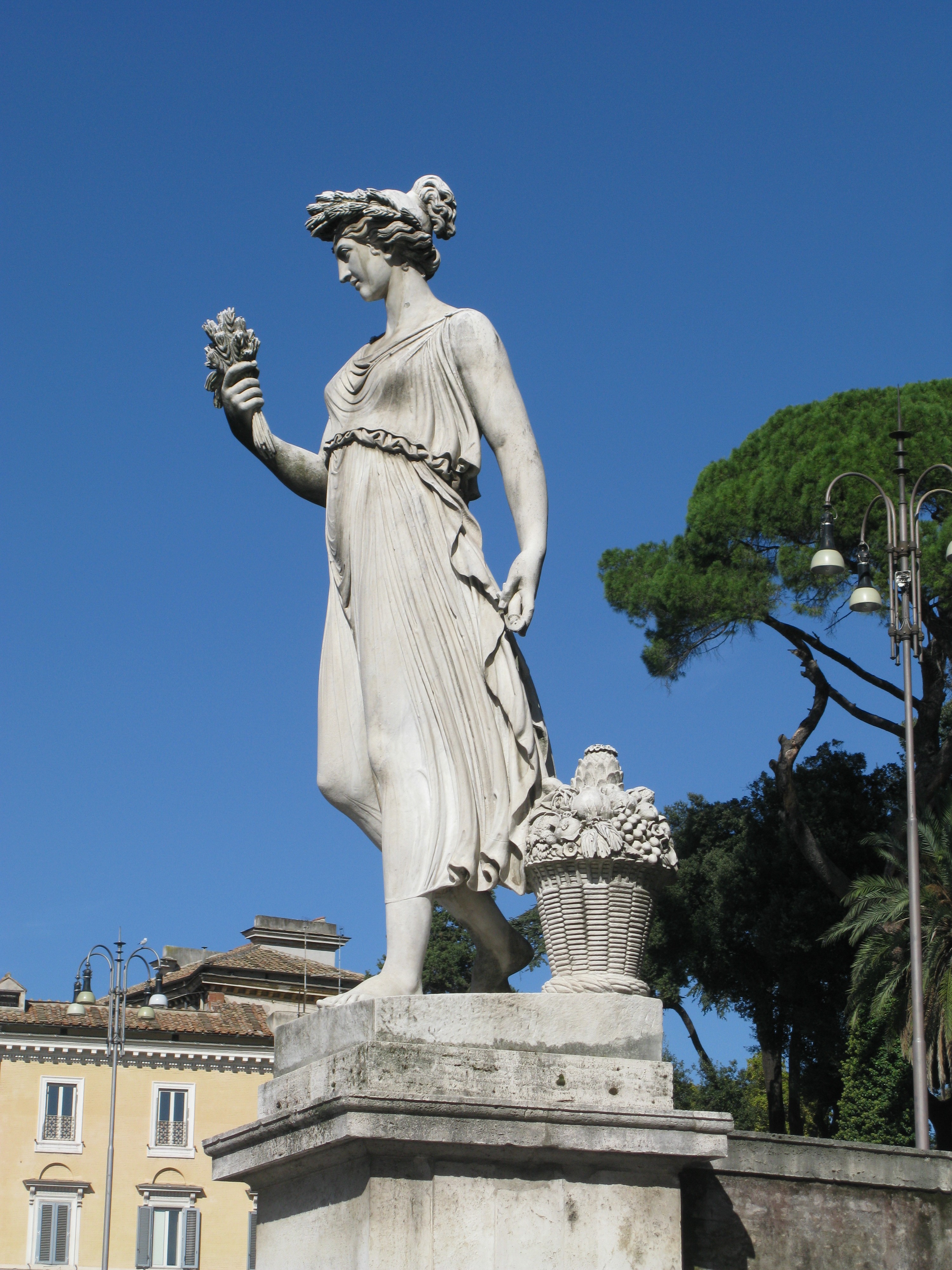
Floralia is another festival that was celebrated – the Ludi Florae took place between 27/28 April and 3 May. Excitingly, they featured gladiator fights, theatrical shows, circuses – and nude dancing events. When in Rome.
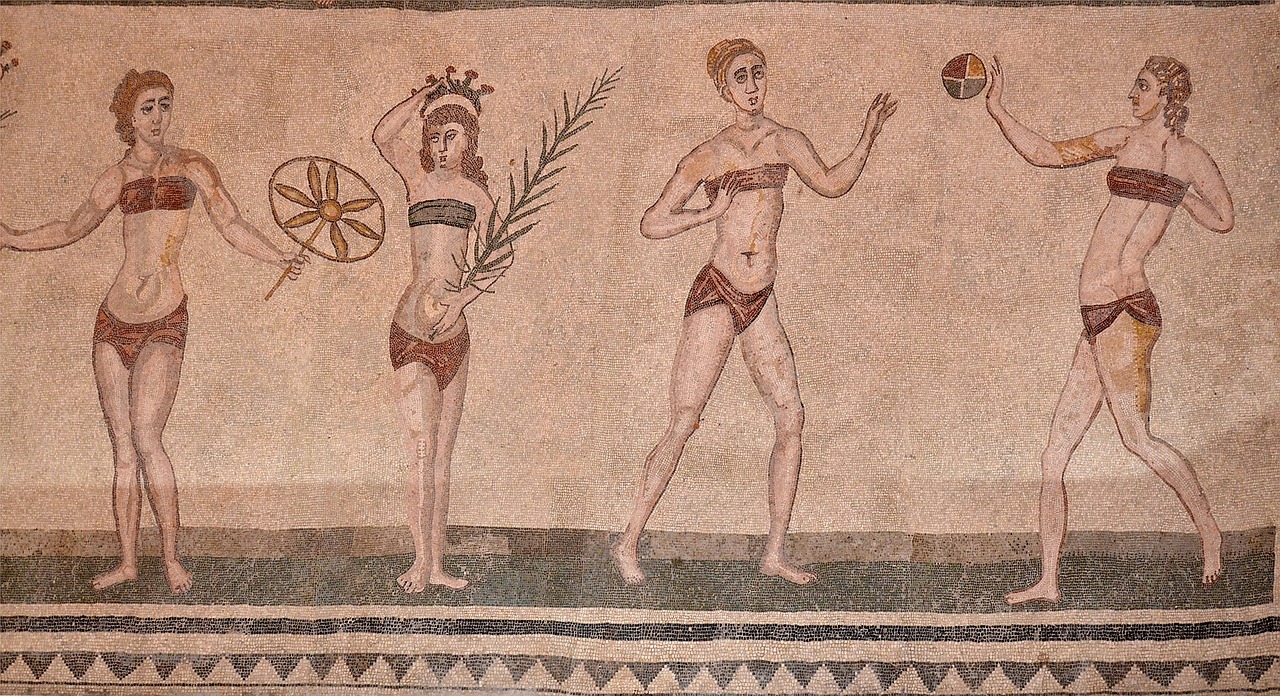
It is thought public games in Ancient Rome were last celebrated on a grand scale on the 1,000th anniversary of the founding of Rome in AD248.
Buon viaggio!

