
Halloween as we know it has its origins in both Celtic mythology and in the Ancient Roman festival of Feralia, which honoured the dead and took place at the end of October.
As the Romans conquered Celtic lands, beliefs began to merge – on 31 October, Celts celebrated Samhain, a festival of the New Year and the deceased, so it is easy to see how mythologies were absorbed as the Ancient Roman empire spread.
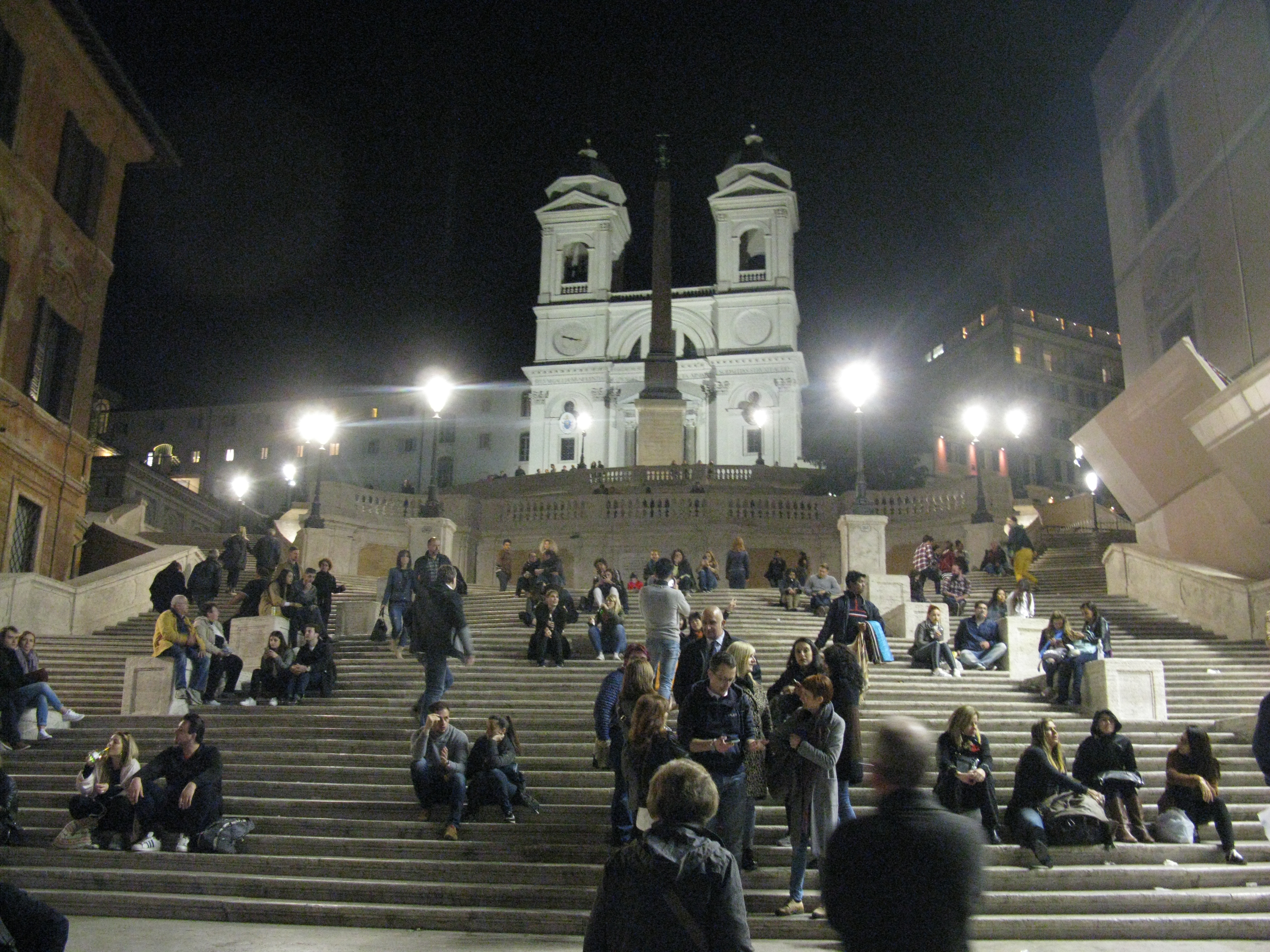
Image: Spanish Steps at night in winter. Haunted by tourists.
In winter, Rome becomes a different place and especially at night – the daytime can be warm, even in late October, but it is cold at night, and the cobbled winding streets can feel quite haunted – perfect for a Halloween break! People still congregate on the Spanish Steps, but because of erosion, you are no longer allowed to sit on them.
Until quite recently, Halloween was not marked as much in the UK as it is these days – and was to an extent considered to be more of an American holiday. Marketing soon changed that and Halloween in Britain has now become as popular as Easter or Christmas – and sometimes just as expensive!
The traditional Halloween custom of apple bobbing – with apples in water in a rain barrel having to be eaten without using hands – is thought to have originated from the Roman festival of the goddess of fruit and trees, Pomona, which was marked near the time of Feralia. Her name derives from the Roman word for apple – and she is most likely responsible for the toffee apples we eat today round about the time of Halloween. The Pomonal is a sacred grove nea r the port of Ostia outside Rome, which id dedicated to her.
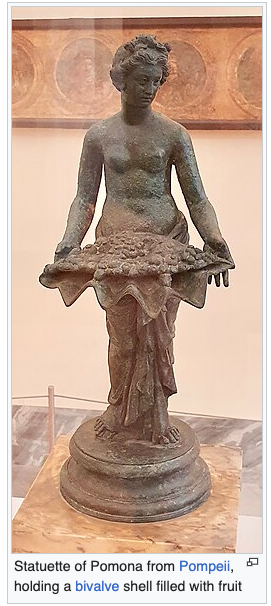
There are also town in Florida and California called Pomona, where fruit growing is one of the local industries.
In 835AD, the Christian festival All Saints Day was also moved from May to November 1 by Pope Gregory IV, supplanting the pagan Samhain festival. All Saints was called All Hallows Eve in Old English – eventually shortened to Halloween.
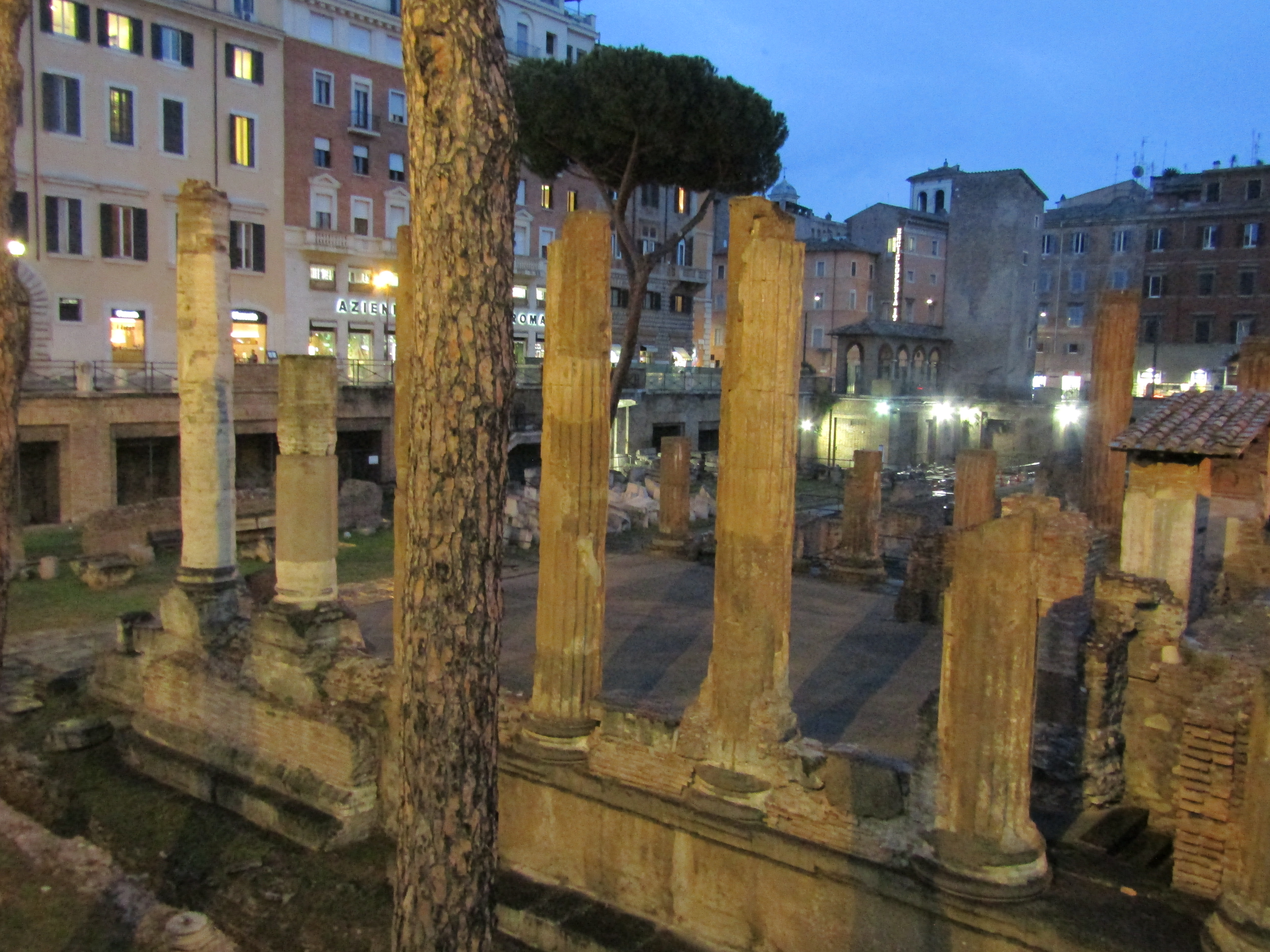
Image: Night-time in winter at Area Sacra, where Julius Caesar was stabbed to death. Spooky.
The custom of wearing the ghoulish costumes people now wear at Halloween relates to the festival of the dead, of course. But perhaps there could be no finer way of marking the festival than dressing up as an ancient Celt or Roman, both scary in their own ways. And thankfully, definitely now dead.
However, in the UK city of York, ghostly Roman soldiers have been seen marching – apparently on their knees! You can read more about the Roman ghosts or York at Real British Ghosts (http://www.real-british-ghosts.com/roman-ghosts.html).
As for ghosts n the Eternal City, start planning your Roman Halloween now!
Buon viaggio!

