Emperor Constantine (27 February c. 272 – 22 May 337AD) was born in what we now know as Nis in Serbia – then Dacia. His full name is Flavius Valerius Constantinus and he was dubbed Constantine the Great. He was the son of a Roman army officer who became an emperor during a period of rule called the Tetrarchy – a system of government introduced by Emperor Diocletian in 293AD.
if you have visited Venice, you will have seen the two porphyry statues of the four Tetrarchs on the corner of St Mark’s basilica. It is often thought to be the four apostles Matthew, Mark, Luke and John, but it is actually two statues of the Tetrarchy looted from Constantinople – the city named after Emperor Constantine, now Istanbul.
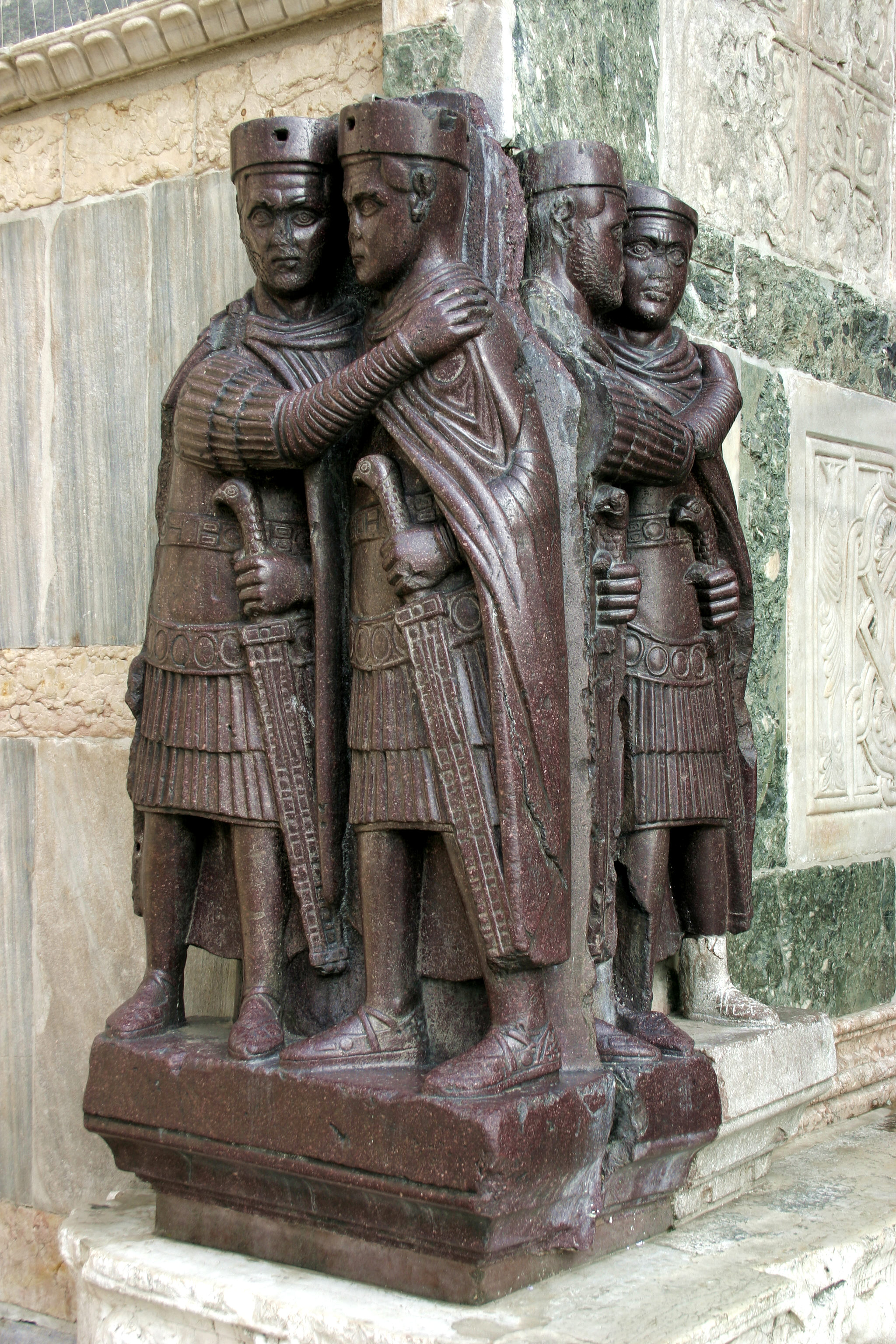
Under the system, the empire was ruled by two senior emperors known as augusti, as well as junior emperors – and also nominated successors called caesares. This style of government followed a period of turbulence in the empire and brought stability. It also meant the chances of promotion improved for those with ambitions to rule Rome and the empire.
Constantine was therefore well placed to govern thanks to his father – he was declared emperor by the army in 306AD in the city of York (Eboracum) in England, where he had been called up to fight in 305AD under his father’s command. Emperor Diocletian was ailing at the time he left for England – and Constantine was already in line to succeed, thanks to his father.
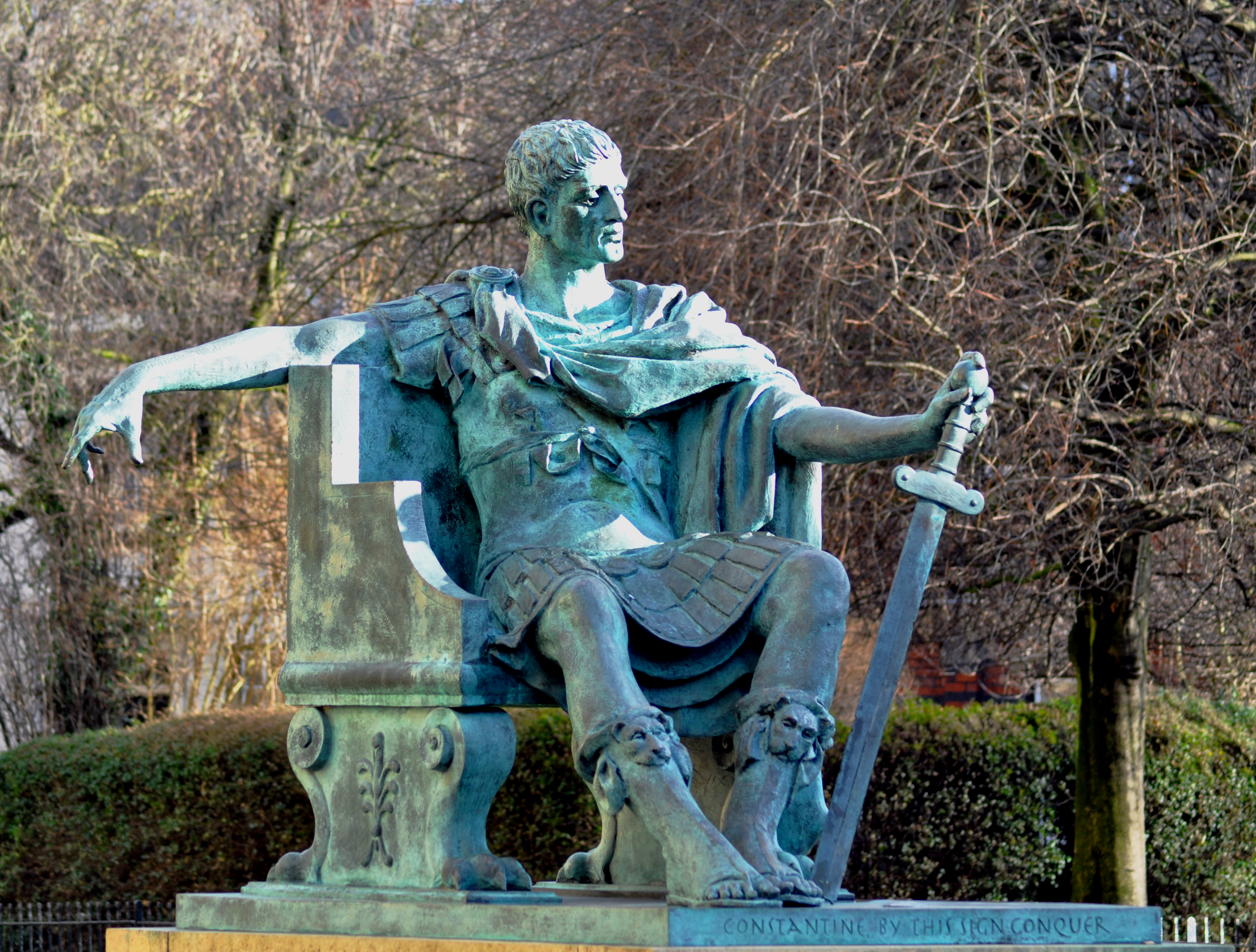
There was civil war across the empire at this time and Constantine also had to fight his rival Roman emperors Maxentius and Licinius to become sole emperor, which he achieved in 324AD. His reign introduced a new period of stability, however, with reforms in government, as well as social reforms and financial reform – with a new gold coin to tackle inflation. He also separated government from the military, redesigning the military into mobile units and garrisoned troops to deal with both internal and external threats. He waged war against Rome’s old enemies, including the Franks and the Goths.
There was a point in the history of the Roman Empire when Christianity was adopted – and Emperor Constantine and his mother Helena are thought to be responsible for introducing the religion.
It was perhaps his military successes that also helped him turn towards Christianity. In a battle against Licinius’s troops, who were Christian, Constantine displayed Christian symbols among his own troops. It was a tactic that used psychological warfare against the enemy, who were fighting the very symbols that underpinned their faith. But the fact that Constantine was victorious might have actually persuaded him that God was on his side.
It was also Emperor Constantine who removed all references to reincarnation from the Old and New Testaments, believing that if people thought they got a second or third life or – even more lives – it might pose a threat to civil unrest as people would be less inclined to behave well.
The Romans traditionally worshipped a wide range of Gods based on mythological figures, who to them were very real – gods like Mars and Venus, as well as more minor but important gods such as the household gods (penates) and the goddess of the hearth, Vesta. There are temples all over Rome and the Roman empire dedicated to these gods, especially in the Forum in Rome.
It is thought Constantine’s mother Helena may have influenced his decision to adopt Christianity – born in Asia Minor of a noble family, she is now Saint Helena and made pilgrimages to Palestine and Syria in her later years.
The Roman Empire was broadly tolerant of other religions – some of the oldest Jewish communities outside the Holy Land are in Venice and Rome. Julius Caesar was considered a great friend to the Jews of Rome, who mourned him after he was murdered.
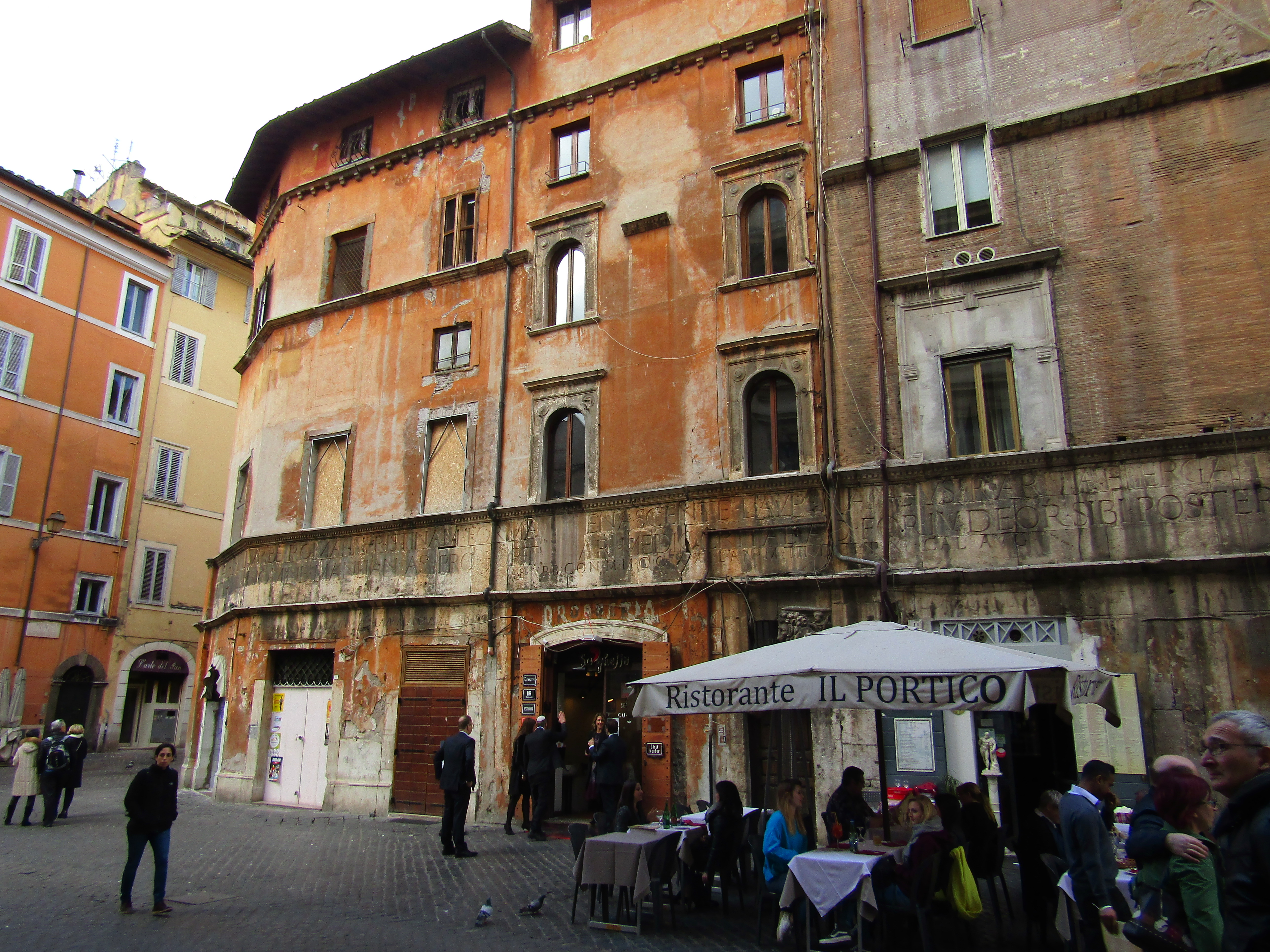
Christians in the empire were persecuted, however – it was the Romans who crucified Jesus, not the Jews as some people wrongly believe. Christians were famously thrown to the lions at gladiator events, also.
However, under his mother’s influence as well as his feeling that his success was due to god, Constantine turned to Christianity himself – and in 313AD the Edict of Milan introduced tolerance of Christianity within the Roman Empire.

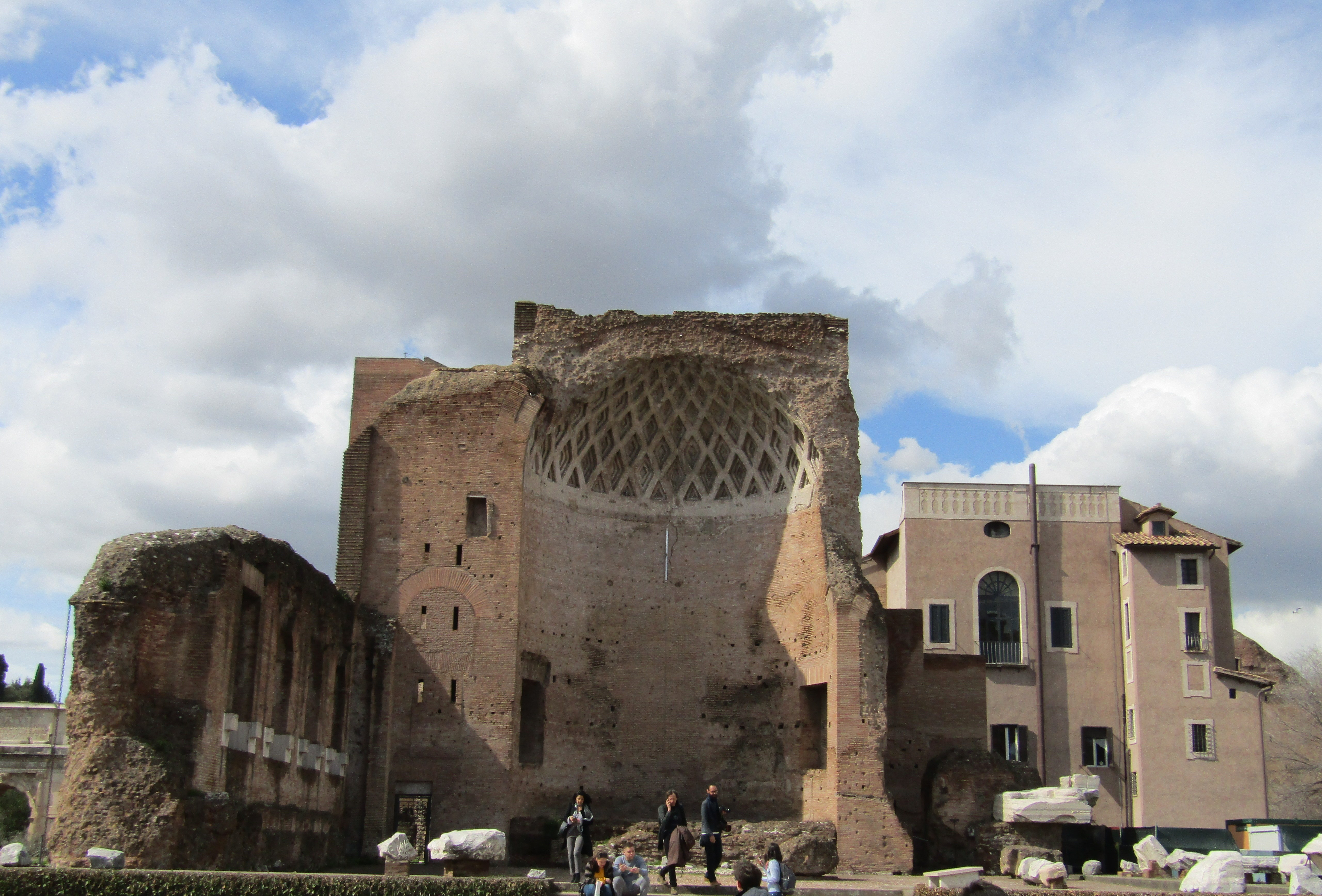
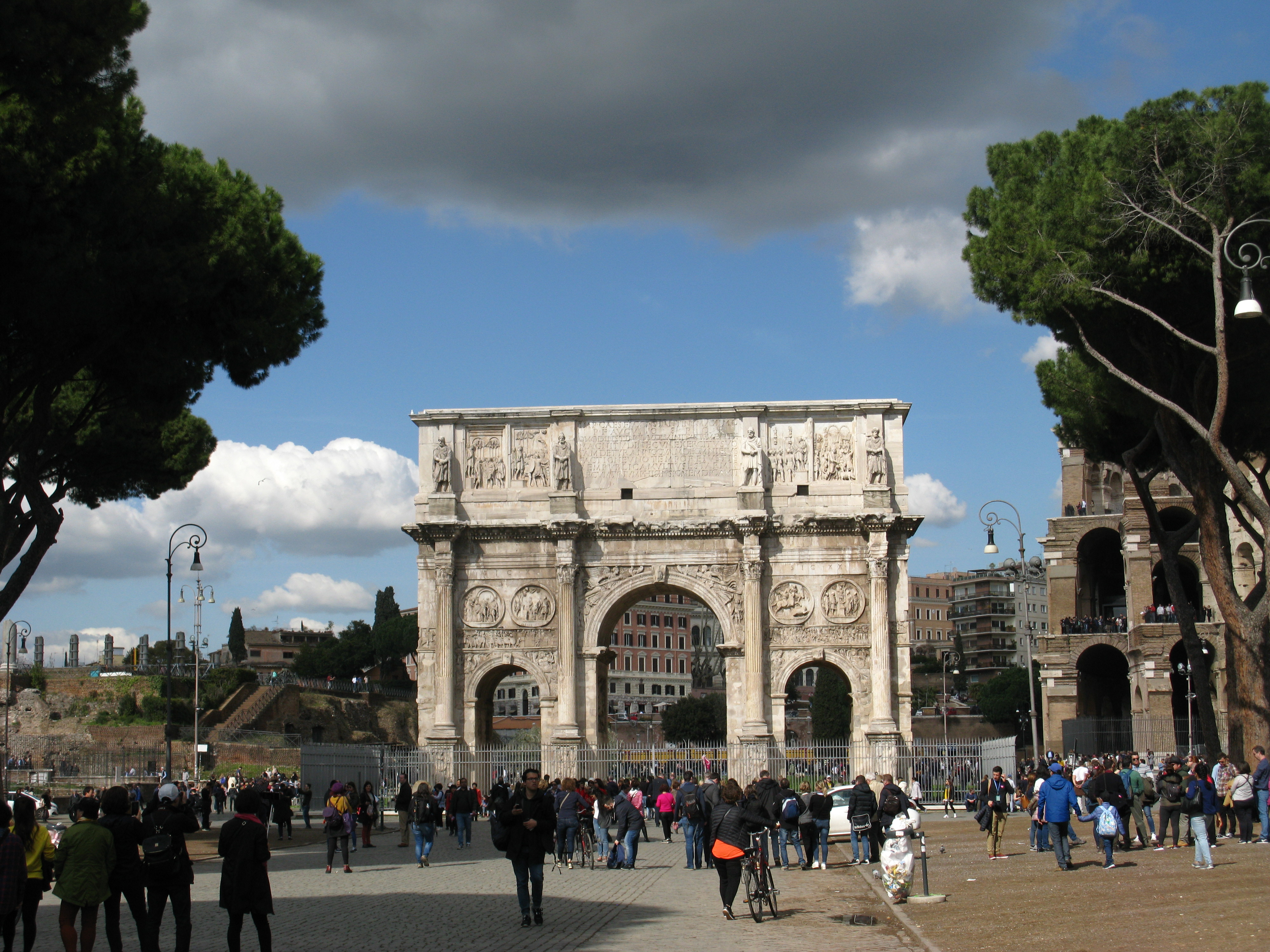
Anyone who has visited Rome will undoubtedly have seen artefacts commemorating Emperor Constantine – including the arch of Constantine that sits beside the Colosseum; and the ruins of the huge Basilica of Constantine inside the Forum, one of the first buildings you will see as you enter.
Constantine died on May 22 337AD in Nicomedia, after travelling there during a bout of illness. It is thought he knew he was dying and after his death he was interred in the Church of the Holy Apostles in Constantinople, but his resting place and his body were destroyed at some point.
His mother Helena is buried in the Mausoleum of Helena, on Via Labicana, just outside Rome.
Constantine received the accolade “Great” from Christian historians, but his reign restored the Roman Empire to greatness after a period of chaos and civil war. He was a reformer – and a great military strategist who defended the empire, as well as introducing more religious tolerance across the empire.
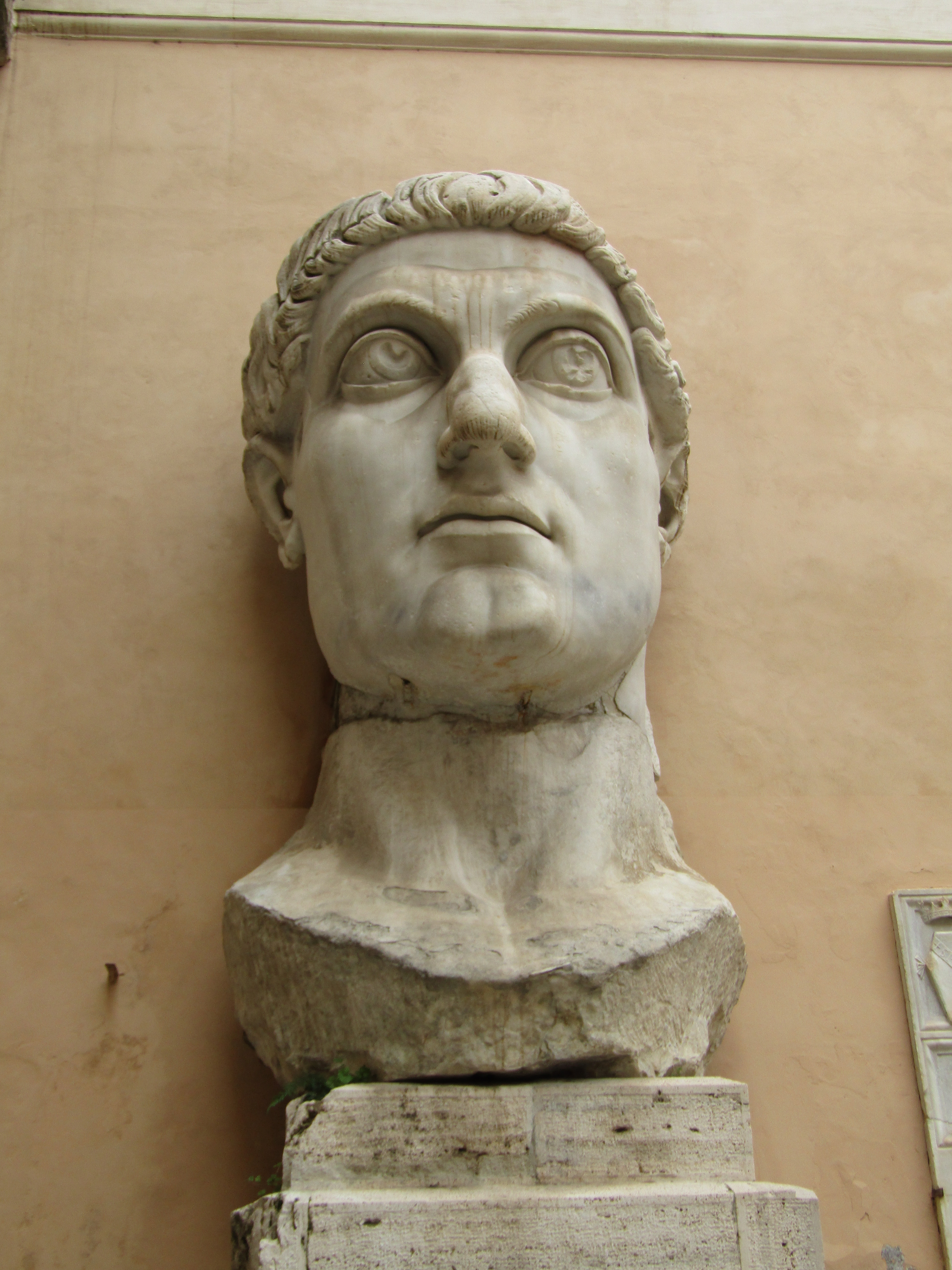
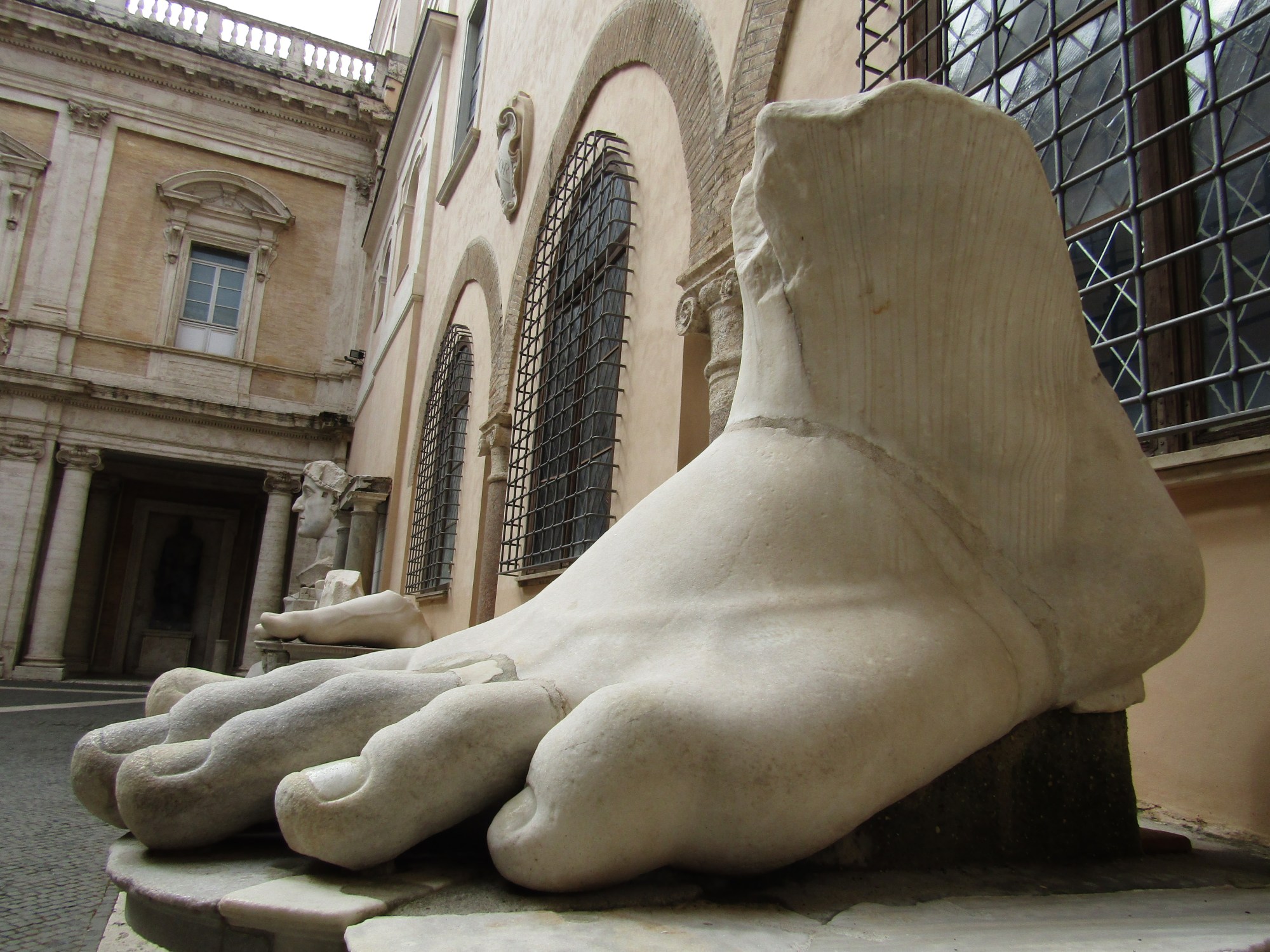
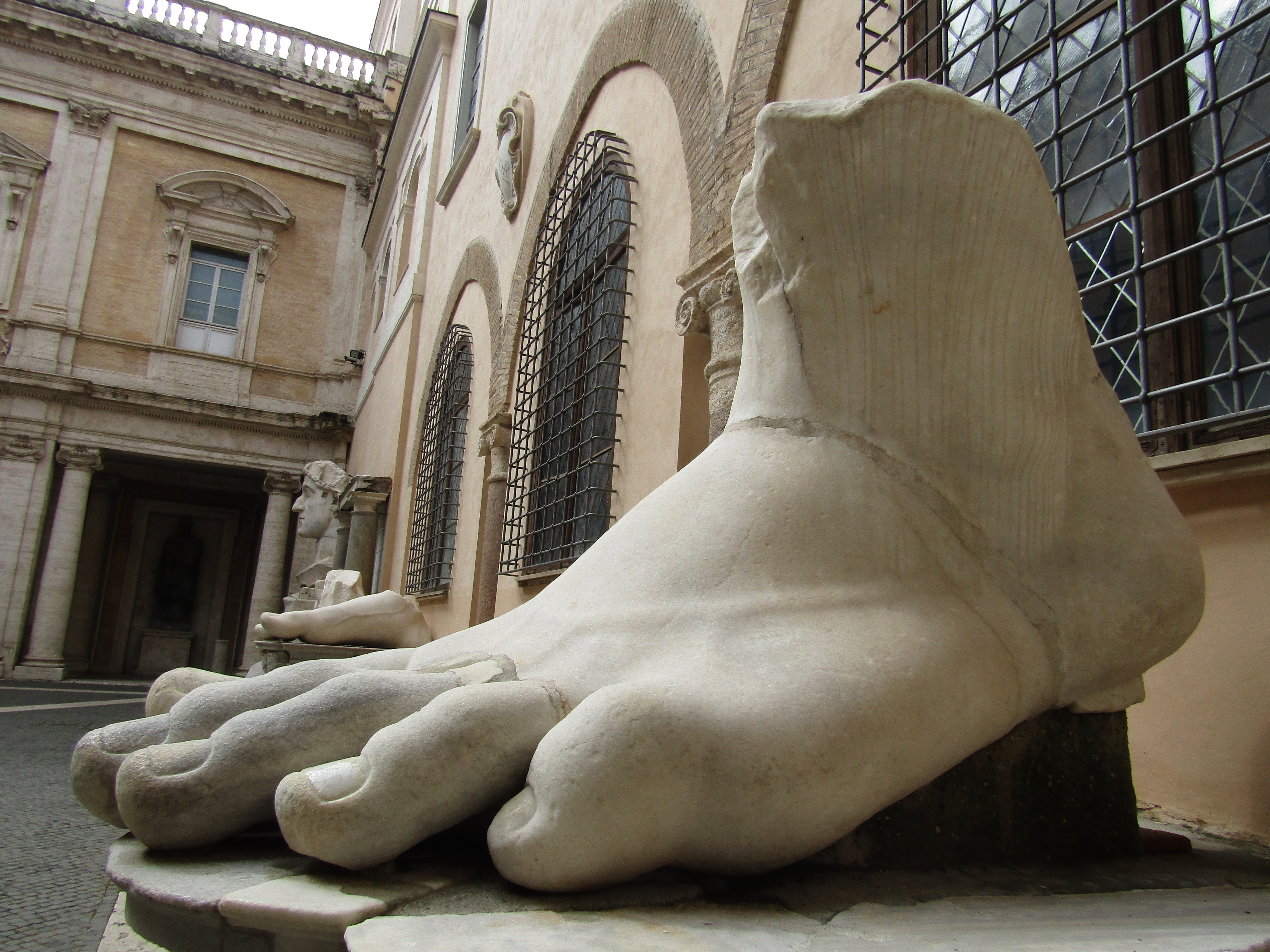
If you have visited the Capitoline Museum in Rome, you will have actually come face-to-face with Emperor Constantine – his is the enormous statue now in fragments that is on display there, proving that he is not only great in name but also in stature! Given that the Old and New Testaments once mentioned reincarnation – and, in fact, the St James Bible still mentions that spirit can pass between heaven and earth – it may be some of us have even come face-to-face with the reincarnated Emperor Constantine! Take a good look at his statue, just in case one day you run into him!
Incidentally, another Roman Emperor who believe din reincarnation was Nero, who was convinced he would be reincarnated. You only have to compare with image with that of Henry VIII to wonder if, perhaps, Constantine knew what he was doing when he erased from the Bible all mention of the possibility of returning to earth in another body!
Buon viaggio!
Emperor Nero and Henry VIII – same soul in two bodies?

 novelromealone
Loved this post! Never knew that Constantine erased reincarnation from the Bible – that is fascinating. Or that Nero and Henry looked so alike!!
LikeLike
I’ve always been fascinated by this and was listening to, I believe Many Masters Many Lives, where the Dr mentions in his religious studies at university that Constatine and his mom Helena removed reincarnation from the Bible in fear that they would loose control if the masses knew they had several lifetimes to get it right. Then again around 553 AD 2nd counsel confirmed this action and deemed it heresy. Anyway I am trying to find more about this.
LikeLike
As I understand it Reincarnation is in the apocryphal? Where please
LikeLike
Where what?
LikeLike
How do you know he removed reincarnation, what proof do you use to make this claim.
LikeLike
Oh, look – you’re back again. I thought you might be doing your own research, but no. If you enter Emperor Constantine into Goggle search followed by reincarnation you will find a myriad of sources. The New Testament actually still contains the phrase “Spirit can move between heaven and earth”. Read your St James Bible. Here is one source that discusses the issue https://probe.org/was-reincarnation-ever-in-the-bible/. Justinian also cracked down on the notion of reincarnation. I expect you know that. If not, enter Justinian – reincarnation into Google search. If you are so much of an expert, let me see your evidence Constantine and his mother Helena did not crack down on reincarnation. I would like to see on what you are basing your persistent heckling of my website. I do not mind enlightened educated discussion, but trolling to prove how clever you are is another matter. So now prove how clever you are. Look forward to reading your evidence.
LikeLike
https://www.facebook.com/johnny.dillon.33?locale=hi_IN
This you by any chance? I had a feeling religion was the issue, not history. And I am glad I sent you a link about Brian Weiss and his books. You need to read them. The Bible has been edited, added to and amended to suit political purposes so many times that there is a constant debate about what is and is not true. However, there are historical texts that support the existence of certain religious figures. Not knowing the truth does not make you ignorant – not wanting to know the truth is what makes you ignorant.
LikeLike
How come my Rome Alone page is now in Hindi like yours?
LikeLike
Try finding anything to do with reincarnation then check the Tora
Catholicism has nothing to do with the followers of Christ but is a pure 100% CONTROL SYSTEM not unlike the Muslims
LikeLike