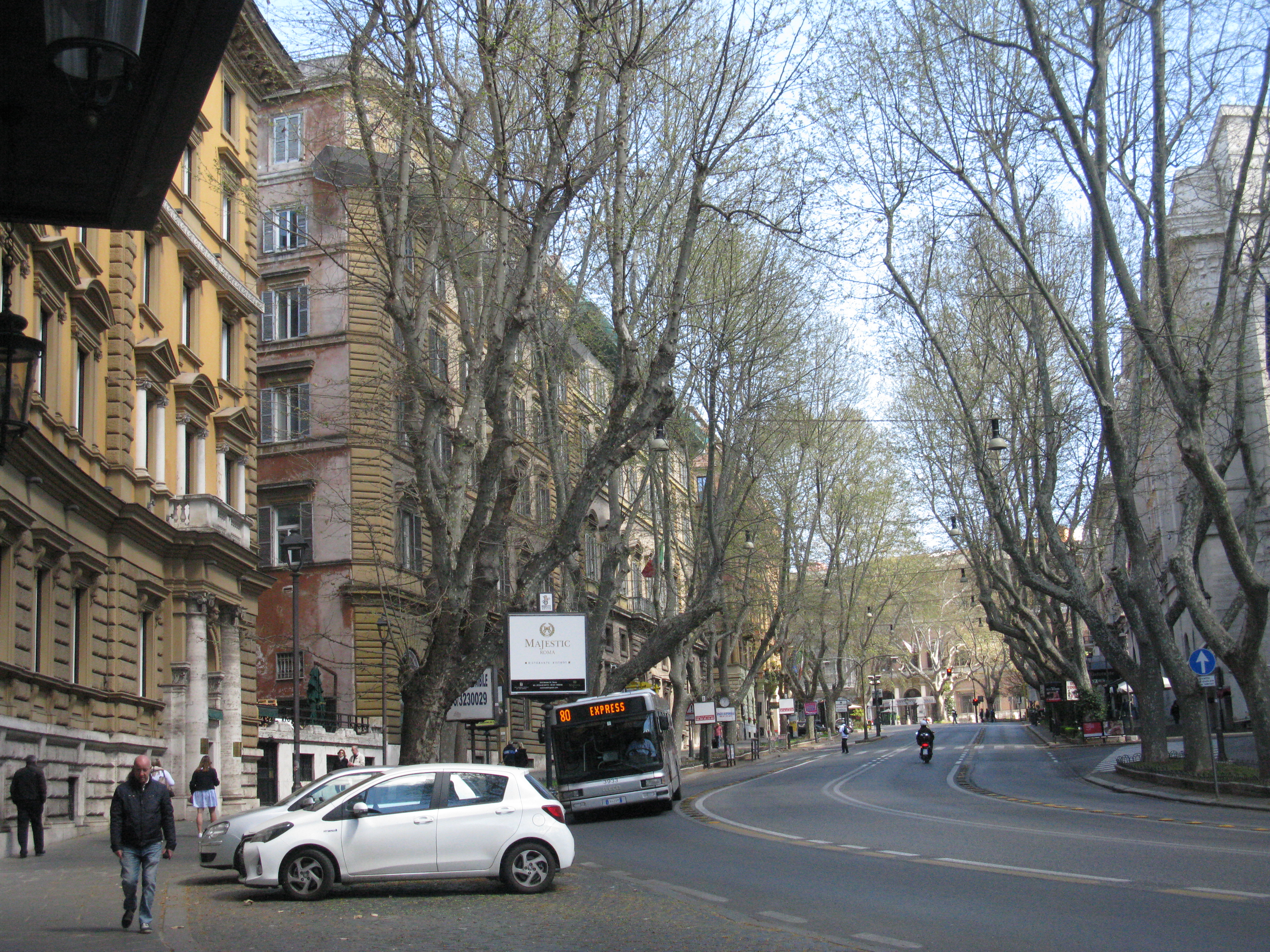
Rome has been in the news a lot lately, with the death of the late Pope Francis. Now the 80th anniversary of VE Day is here and those countries that took part in WWII are remembering VE Day in 1945, when WWII finally came to an end.
Adolf Hitler committed suicide on 30 April 1945 and a peace treaty was signed between 7-8 May, which stated that war would officially end on 8 May 1945 at 11.01am. Germany had unconditionally surrendered on 7 May at the offices of the US General Dwight Eisenhower, who held the position of Commander of the Allied Forces in Northern Europe.
In Rome on 8 May 1945, bells rang out across the city, including the bells of St Peter’s Basilica in the Vatican City.
There is controversy over the Vatican’s role in the persecution of the Jewish population in Rome, which is one of the oldest diaspora’s outside Jerusalem. On 16 October 1943, the Jewish Ghetto had been raided by the Nazis and Jewish families were rounded up and deported. There are stories of heroism among Catholic priests in Rome who helped to hide Jewish families – but also stories of collaboration with the Nazis. The Vatican under Pope Pius XII remained neutral to the Nazi regime, while at the same time covertly assisting victims of the Holocaust.
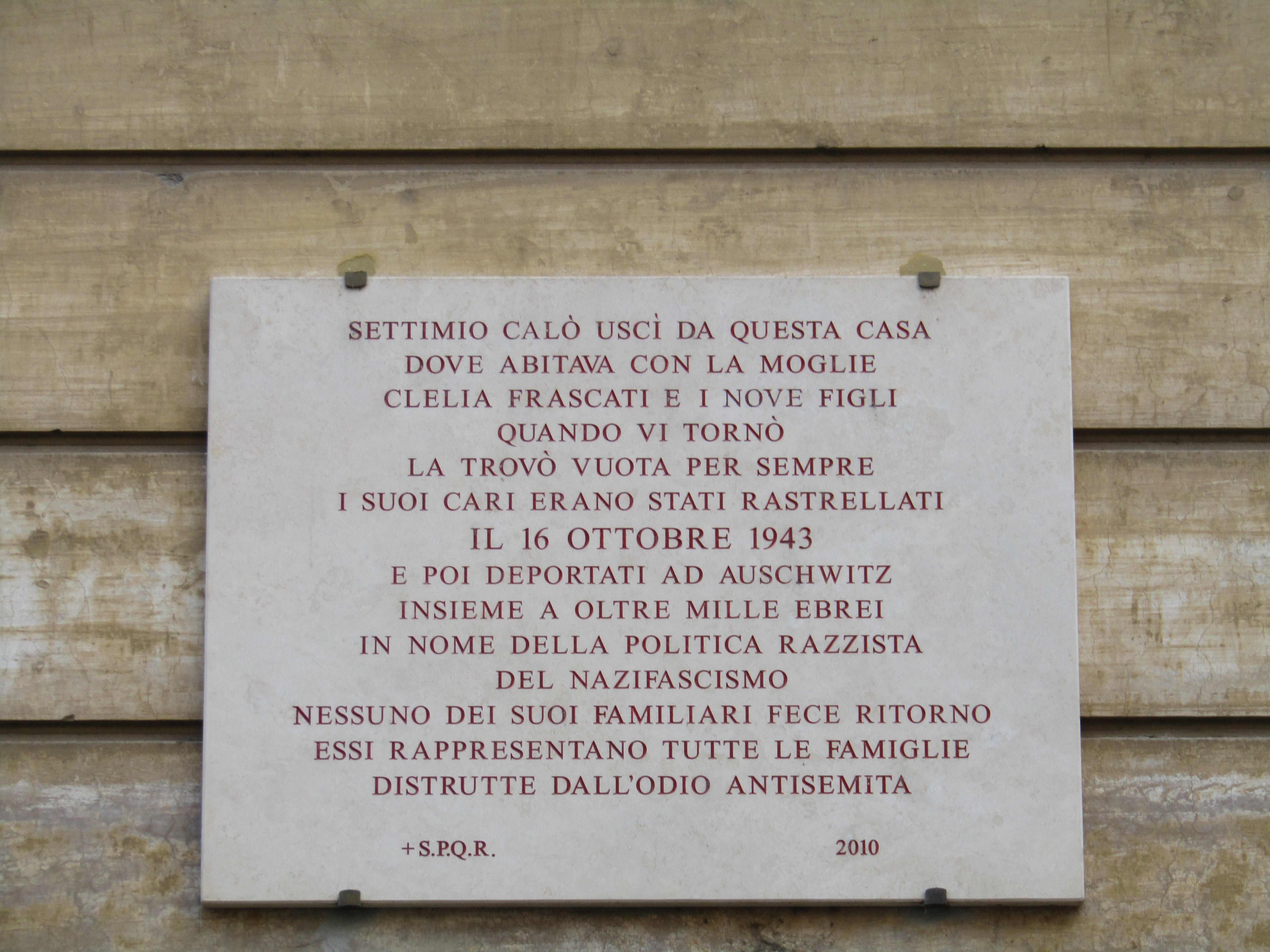
Many Catholic priests bravely condemned the Nazis and it is known that Pope Pius XII directly negotiated with Hitler over the persecution of the Jews, who had been living in Rome since before the rule of Julius Caesar. Caesar was know as a friend of the Jewish community in Rome and was mourned by them after his murder in 44BC.
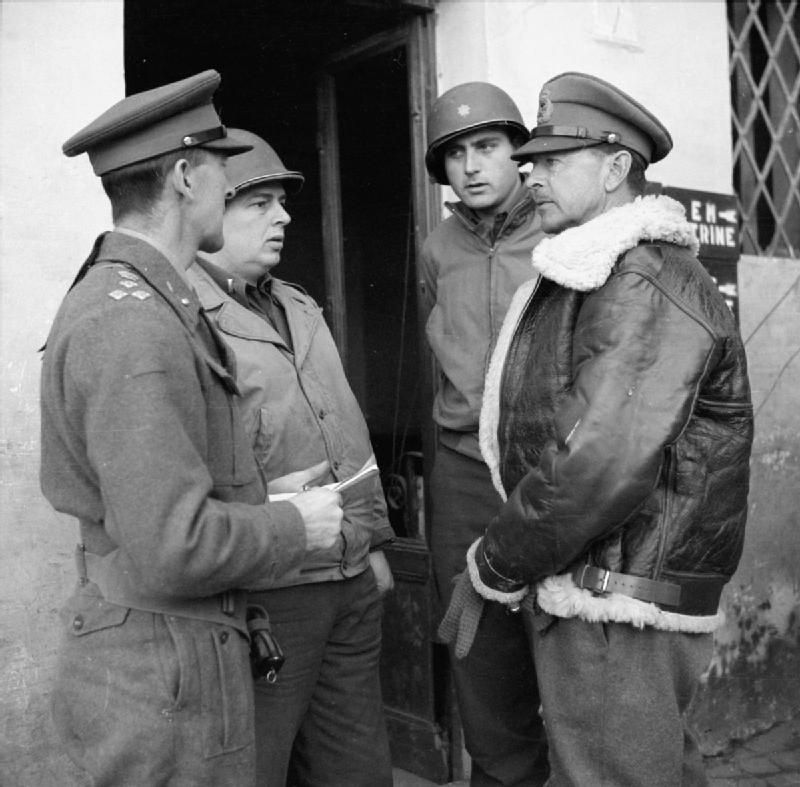
The position of Rome in WWII is therefore complex, but the city had been liberated on 4 June 1944 by the American 5th Army without any fighting.
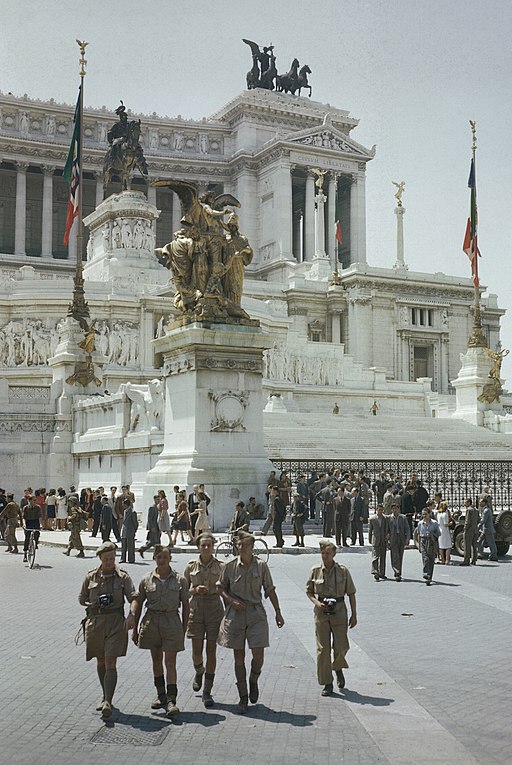
The air raid sirens – which were warnings of Allied aircraft attacking Rome – also sounded at the news the war had come to an end: perhaps a chilling way to signal peace, but like the rest of the world, Rome rejoiced and partied heavily at the end of WWII.
Air raid sirens would continue to be tested for many years in cities after 1945, however – in the UK, air raid sirens were still tested into the late 1950s. However, the purpose of the test moved more towards incidents such as fires or even nuclear alerts.
However, on 8 May 1945, there was a global outpouring of relief and joy as WWII came to an end.
But at the same time as people celebrated, Allied soldiers were uncovering the horrors of Auschwitz and other concentration and death camps set up by the Nazis. It was not only the Jewish community who was targeted by the Nazis, but also Roma communities, disabled people, those who were old, too young or too weak or ill to work, gay and lesbian communities – and anyone who could be branded as degenerate or a political dissenter by the Nazis.
In Rome, the Nazi SS HQ under H. Kappler was situated in Via Torquito Tasso and is now the Museo Storico dei Liberation. From 1944 it was used to question, torture and imprison arrested civilians and members of the resistance. The cells have been kept as they were during the war, with messages from prisoners scratched on the walls and other memorabilia and educational videos. You see more information and visiting times on the museum’s website.
Many families were affected by Nazi occupation as war spread across the world – as far as Africa and the Middle East. My own great uncle was in military intelligence and chased Rommel across the desert, together with a family friend who signed up at 18 to become a “desert rat” and found himself aged 18 negotiating with the Bedouin and other tribes, some of whom collaborated with the Nazis. He went on to fight his way to Sicily and Monte Cassino.
My great uncle was the sergeant of the second platoon to arrive on Sword Beach on D-Day having signed up the day after his eighteenth birthday. He went on to fight his way across France to Caen, where he guarded German POWs before being demobbed. He immediately signed up with the RAF to join his older brother in Burma. He never spoke of the war and suffered from PTSD all his life.
Another great uncle lost his life aged 22 as a rear gunner in a Lancaster bomber over France on 4 May 1944 – he and his fellow crew members are memorialised in a churchyard in France.
Another great uncle fought in Burma – another was a senior radio operator in Malta for Lord Mountbatten and joined the North Atlantic conveys before serving in Norway.
Female family members were called up to work in bomb factories, or to work in administration or nursing roles. No one who could work was not involved in WWII.
Everyone has a family story about WWII – some of them highly entertaining: another great uncle claimed never to have washed his blanket from the start of the war to the end of it; another claimed to have had an affair with an Italian countess; one claimed he spent the best days of his life during WWII in the desert; another claimed to have spent very happy times in the bar at the Phoenicia Hotel in Valetta, even though the bar was apparently not opened until after the war. It is these stories that perhaps soften for us – and for those who served – the horrors of WWII.
But missing family members as a result of the war span the globe. Whole communities disappeared as a result of the Nazi death camps and WWII military action.
There are some famous faces that inform us about what happened in WWII – one of the most famous is Anne Frank, though today some people cynically dispute her testimony. However, by 8 May 1945, Anne Frank, her mother Edith and elder sister Margot had all died in Belsen Bergen, having been uncovered in hiding in August 1944 and deported in September from Westerbork transit camp. It is thought she died in February 1945, but her time and place of death are not known exactly – some say she died in hospital in Belsen Bergen from typhus, others that she died on a wooden bunk, naked and covered in lice, in a freezing cold block in Belsen Bergen. She was 16. Her sister had died just days before her. Her childhood sweetheart Lutz Peter Schiff also died in Auschwitz aged 19 – and her sweetheart while she was in hiding, Peter Van Pels, also died aged 19 on a death march in winter from Maupthausen concentration camp, when the Nazis began transferring prisoners as the Allies closed in.
Famous Italians who survived the Holocaust include the chemist Primo Michele Levi, who survived Auschwitz to become a writer. He also acted as a partisan.
Liliana Segre was another Italian survivor who worked to inform and educate people about the Holocaust. Born in Milan in 1930, she was deported to Auschwitz as a girl – and did not realise she was Jewish until she was expelled from school after Benito Mussolini passed Italy’s Racial Laws.
Children are not born knowing they are despised by some, simply for who they are and the religion they are born into.
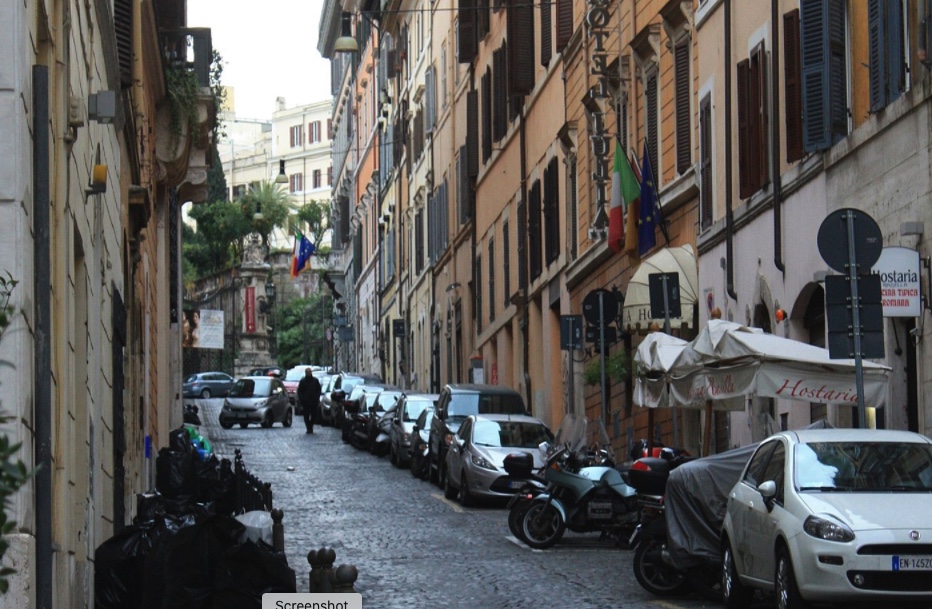
Today as we celebrate the 80th anniversary of the end of WWII, families and young people are still dying from atrocities around the world. As we mark the VE Day anniversary, we should not forget those who were not able to celebrate the end of WWII on 8 May 1945 – and that our human duty to prevent the terrible losses and atrocities of war is not over.
“Bella Ciao” is a famous song dedicated to the Italian partisans who fought the Nazis – you can hear a rare vintage version of it on YouTube. The right wing in Italy are not amused by the song or Liberation Day, however. After Rome was liberated US troops made the most of their time in Rome, including enjoying the brothels that appeared around the Spanish Steps – and pizza. After the war, in the late 1940s, Rome became the destination for many Hollywood stars and film-makers, who made their way to the Trevi Fountain and the famous Via Vittorio Veneto – where Harry’s Bar is still situated, as well as the Rome legat of the FBI.
During the war, the UK’s Forces “sweetheart” was Vera Lynn – she and many other stars risked their own lives to entertain the troops overseas. The songs of WWII were often full of hope. “When the Lights Go On Again” was one of the most well-known songs of WWII. You can hear Vera Lynn singing it on YouTube and imagine what it must have meant to people during WWII.
Buon Giorno della Vittoria – Happy VE Day!